The Best Scenic Runs for Tourists in New York City

New York scenic trails, New York City

This post was posted by The Hipmunk on Hipmunk’s  Tailwind blog on September 5th.

New York, NYC, Scenic trails New York City

Heading to the Big Apple? Sure, there are the must-see for any tourist, from The Empire State Building and The Statue of Liberty to the Museum of Modern Art and Central Park.

But perhaps there are some even cooler things to see not only by foot, but by stride. Whether training for a marathon (marathon season is coming up, after all) or simply looking to get some exercise in after all those slices of New York pizza, check out these running routes around the city to see the sights in a completely new way.

Manhattan

Hudson River Run, Manhattan, New York City

Hudson River Run

This route is great for runners looking to run one mile or 10. The Hudson River Greenway is a path that runs from Battery Park in Manhattan all the way up to the Bronx, and is paired pretty perfectly with a sunset. Along the route, runners will see (depending on mileage) the USS Intreprid, the Statue of Liberty, the George Washington Bridge, and great waterfront restaurants perfect for a post-run meal. The path is on the west side of Manhattan, so the best option is get off at any ACE or 123 train stop, and then walk west until the Hudson River is in sight! After the run, check out the Highline hotel, which is also on the west side of Manhattan, for a well-deserved drink in their garden.

Brooklyn

Coney Island, Brooklyn, New York City

Coney Island

Coney Island is part beach, part seaside resort, and part amusement park. In other words, it’s awesome. Visitors can also run the length of its boardwalk, which is just shy of six miles run. The best part? Jump in the ocean right after to cool off. To get there, hop on the D, Q, N or F train all the way to  Stillwell Avenue. Just remember to wear sneakers (and bring a bathingsuit)!

The Five Bridges Run

Forget one of those tour buses and hit three of New York’s boroughs—Manhattan, Queens, and Williamsburg— by fast foot. Note: This route is easier for those more familiar with the city, or is at least with someone who is! For a killer 17 mile run, start at the 59th street bridge in Manhattan, cross to Queens, jump on the Pulaski Bridge to connect into Brooklyn, and then run over the Williamsburg Bridge to return back to Manhattan. From there, head towards and over the Manhattan Bridge, then finish the run over the Brooklyn Bridge. Phew! Here’s a map that will be helpful, too. When starting at the 59th Bridge, take the NQR trains to the 59th/Lexington Stop. To start at the Brooklyn Bridge, take the 456 train to, what else, but the Brooklyn Bridge stop. Bonus points for grabbing a room at the NU Hotel, a chic hotel that will make any tourist feel like a New Yorker.

Queens

Flushing Meadows-Corona Park, Queens, New York City

Flushing Meadows-Corona Park

Forget Central Park and check out this city greenspace in Queens. Flushing Meadows-Corona Park offers a great 2.5 mile loop so anyone can see the best things Queens has to offer: the Unisphere, the Billie Jean King National Tennis Center, The Queens Museum, and Citi Field (go Mets!). People can access the park by car (parking is pretty easy) or take the 7 train to Willets Point/Mets Stadium. Consider staying at Red Roof in Queens to cut down on travel time.

Astoria Park

This park is well known for having the largest pool in the city, but it also comes with much more: tennis courts, basketball courts, playgrounds, and many trails for runners. There’s also a gorgeous shoreline along the East River for a great running route that comes with a nice breeze. The best option is to take the Q train to Astoria Park, then walk (or run!) less than a mile to the park’s entrance.

Bronx

Van Cortlandt Park, Bronx, New York City

Van Cortlandt Park

For a taste of New York that’s feel anything like a city, head on the 1 train to 242nd street and explore the trails at Van Cortlandt. It’s a bit of a hike, but is totally worth it for the committed runner. The famous route is the Old Croton Aqueduct Trail, which can be up to seven miles long. Fun fact: Van Cortlandt is the third largest park in New York City, behind Pelham Bay Park and Staten Island Greenbelt, and is also home to the oldest building in the bronx: Van Cortlandt House Museum.
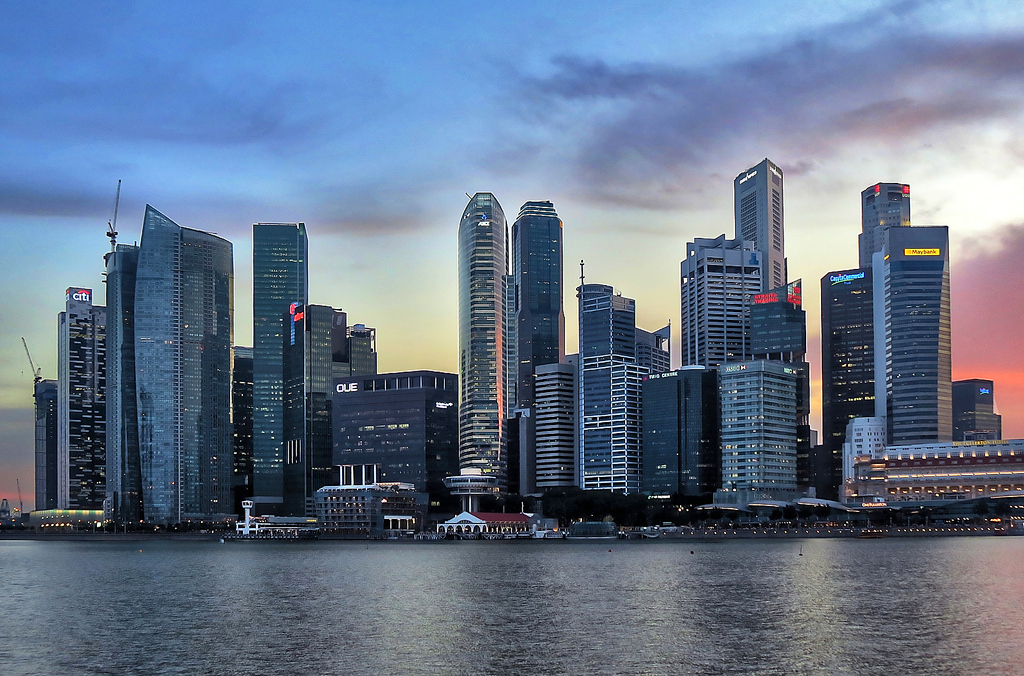
5 Tips to Plan Your Trip to Singapore

Singapore skyline, singapore

Blog Post Type: Planning a Trip to a City

Singapore, one of Southeast Asia’s most prosperous cities, boasts vibrant cosmopolitan culture and dynamic city life. The buzzing nightclubs, plush shopping malls, glamorous casinos, and luxury cruises are some of the reasons Singapore has grown to be a leading tourist destination in this part of the world. There is so much to see and do in Singapore; therefore, it’s always better to plan your Singapore trip well in time.

Singapore skyline, singapore

Singapore Skyline – Image by Erwin Soo via Flickr

Decide the type of your tour

First, you need to decide what type of tour you would prefer. If you are running short of time on a business trip, plan a short tour that will cover the main attractions of the city. On the contrary, when you have enough time, you can plan for a leisurely walking tour in and around Singapore. Walking tours help you experience the place and not just see it. If you are traveling with family, make sure you choose your accommodation and sightseeing spots carefully so that there is something for everyone (or every age group) in the family.

Include Walking Tours

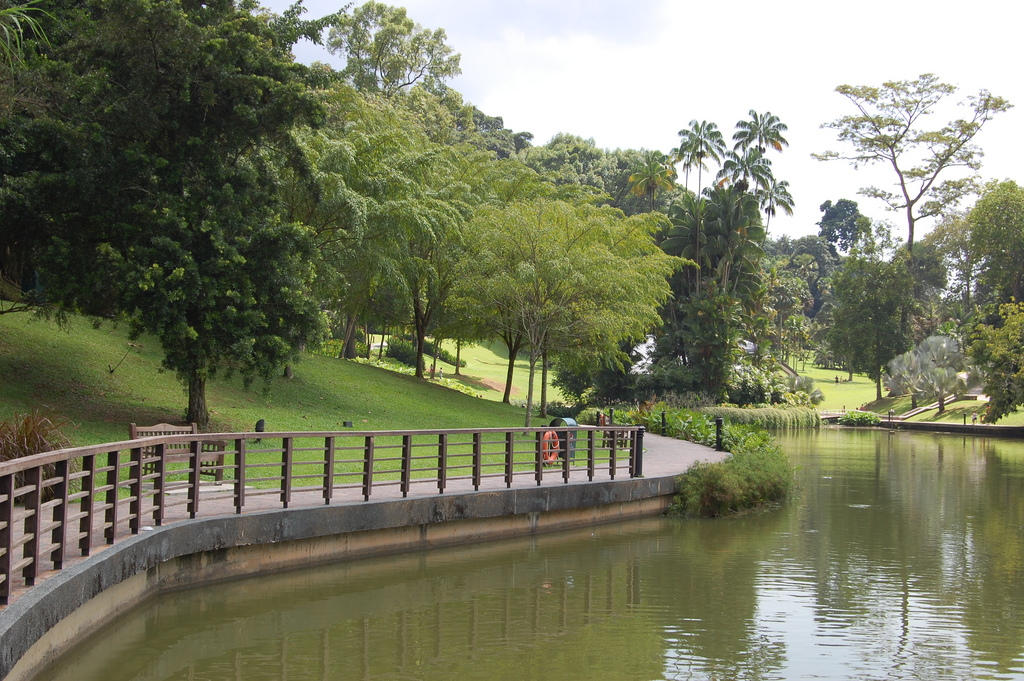
Singapore botanic garden, singapore walking tours

Image by Edwin Lee via Flickr

There are lots of paid and free walking tours conducted in the city. Singapore walking tours are the best way to explore the city’s numerous museums and historic colonial districts that exude the essence of the island nation’s British past and Chinese present. Go off the beaten tracks with walking tours to various scenic spots, parks, and gardens in Singapore.

Things to Do and See

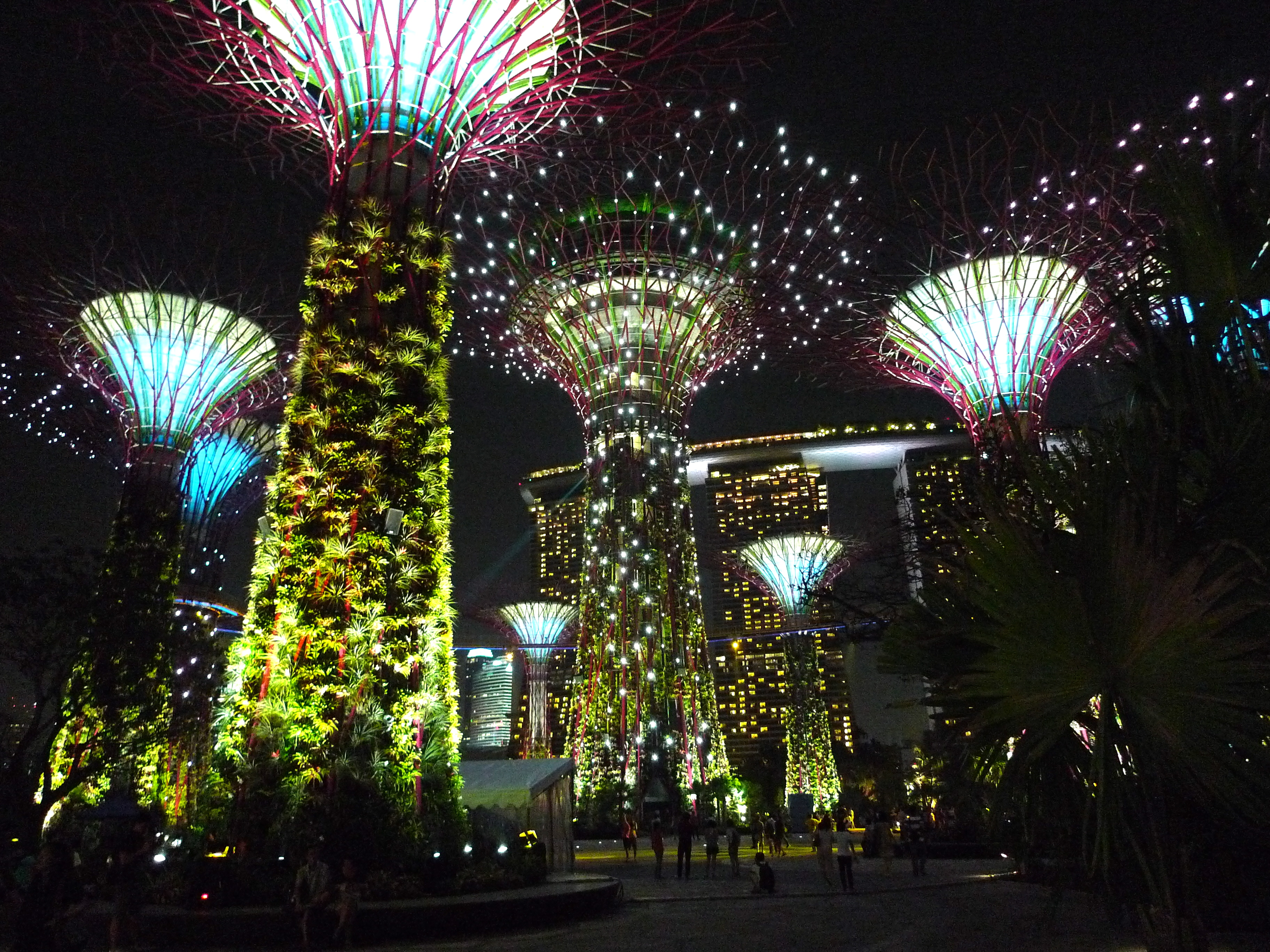
gardens by the bay, singapore, singapore sightseeing

Image via Wikipedia

Singapore as a booming metro city has a lot to offer to the most discerning traveler. From museum hopping to shopping, from fun-filled river cruising to enjoying the panoramic cityscape from the famous Gardens by the Bay, anything can be included in your itinerary depending on your budget, time, and preferences. Some places/things that you should not miss on your first trip to Singapore are Little India, Chinatown, the Merlion, Clarke Quay, Gardens by the Bay, and Singapore Flyer among others.

Finding Hotel Accommodation

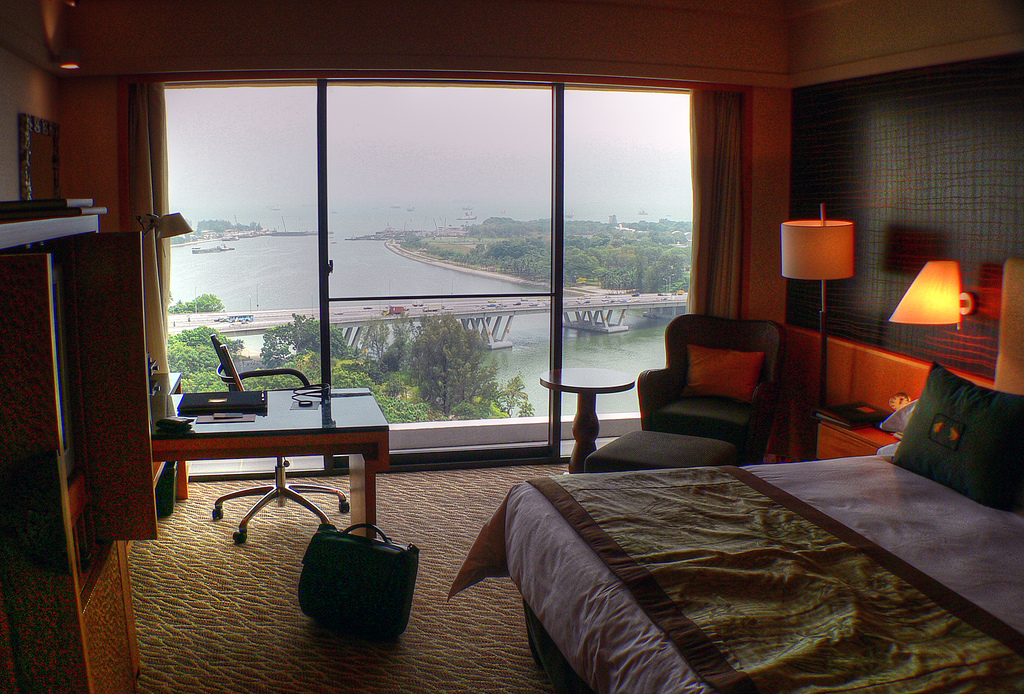
Singapore hotels, hotel in Singapore, singapore accommodation

Image by Aldas Kirvaitis via Flickr

If you want to splurge, accommodation options are aplenty in this city. At upscale hotels, a wide range of amenities comes at a high price. On the other hand, mid-range hotels in Singapore are places where you will find all the necessary amenities to make your stay comfortable. Value Hotel Thomson would be a good choice for mid-range accommodation in a quiet neighborhood with easy accessibility to downtown Singapore. The Chinatown area is home to some elegant boutique hotels. Choosing a B&B accommodation or a backpacker’s hostel can get you landed in a private AC room with free Wi-Fi and TV at an economical price.

Seasons and Festivals

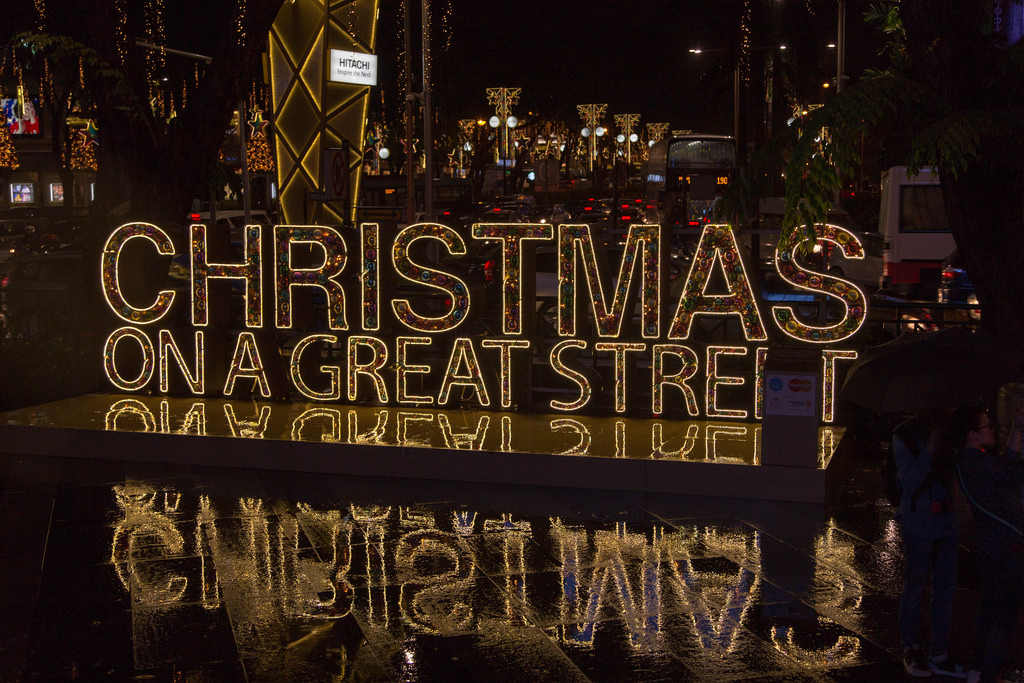
Christmas on a great street Singapore, singapore festivals, Singapore events

Image by Chris Hoare via Flickr

When is the best time to visit Singapore? Well, Singapore is a happening place; the city witnesses festivals and cultural events throughout the year. If you want to delve deeper into Singapore’s cultural life, plan your trip around Singapore festivals and events to add more fun to your vacation. The city embraces hot and humid tropical weather, and it rains – especially in the afternoons. But November to March would be the best time to plan your Singapore trip as the temperature drops due to northeast monsoon.

Monochromatic: Monsoon Mix

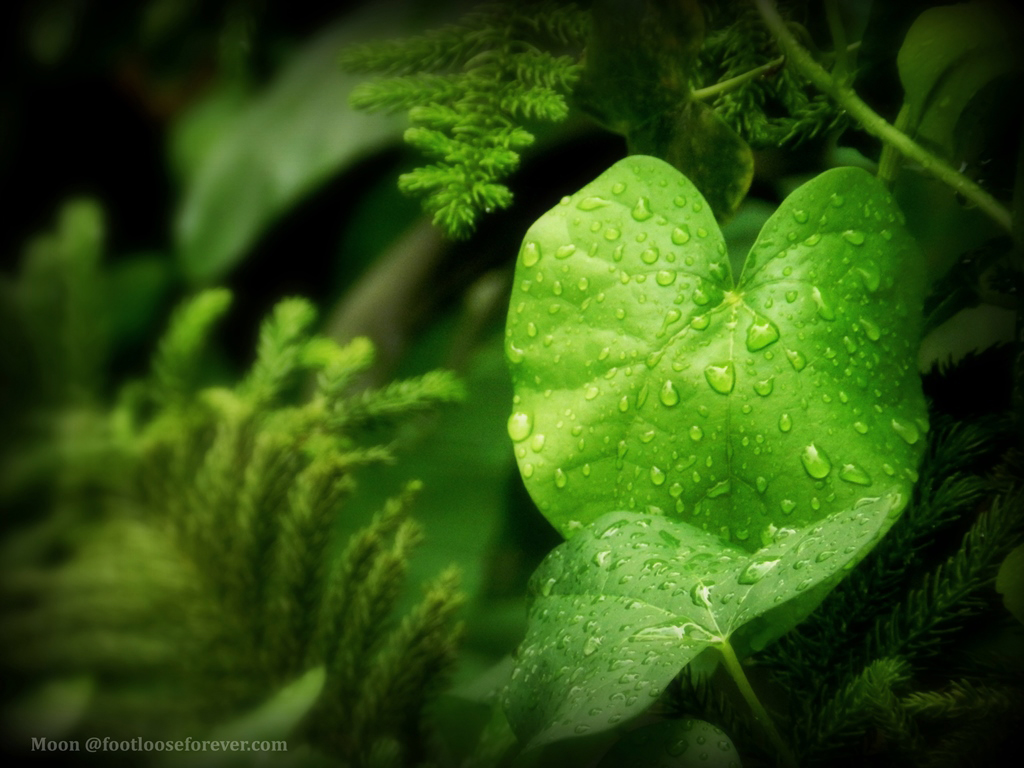
green foliage, green, leaves, rain drops

Green is the prime color of the world, and that from which its loveliness arises.

~ Pedro Calderon de la Barca

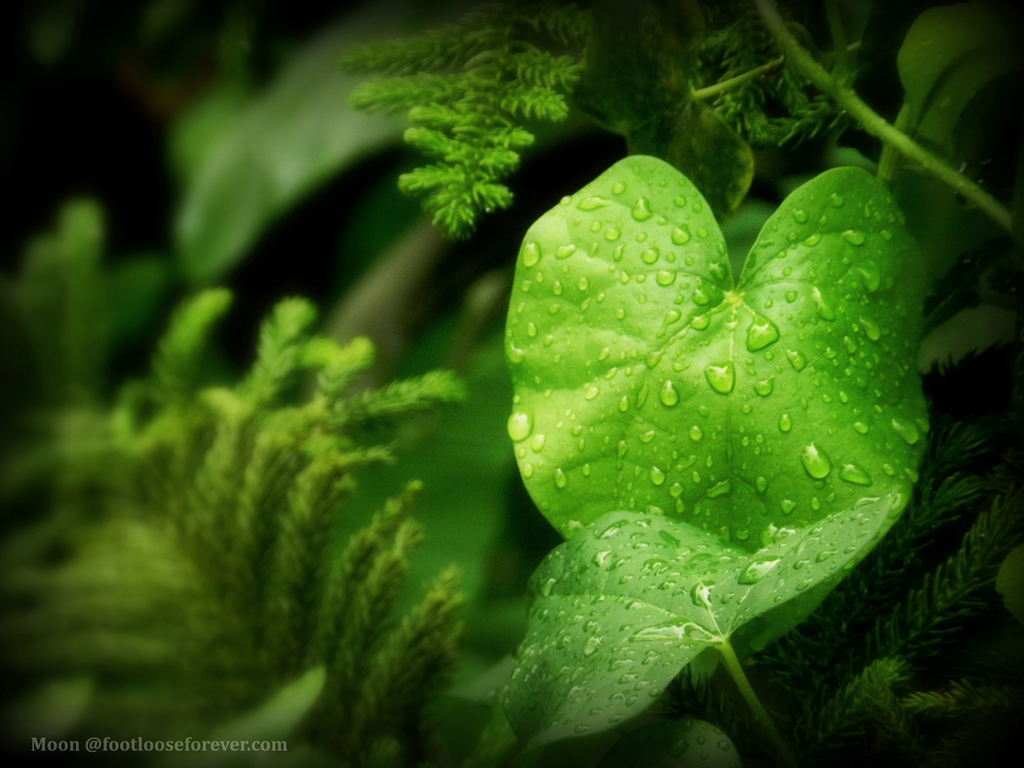
The theme is ‘monochromatic’ and the season is monsoon, so I had no other option than green to go monochromatic. 🙂  Captured the freshness of green foliage one afternoon, right after the rain. Refreshing…isn’t it?

green foliage, green, leaves, rain drops

Published in response to Daily Post Weekly Photo Challenge: Monochromatic.

McKinley to Denali: Visiting America’s Most Talked About Mountain

Denali, Alaska, Mountain peaks

This post was posted by The Hipmunk on Hipmunk’s  Tailwind blog on September 4th.

Denali, McKinley, Mountain, American mountains, Alaska

In advance of his three-day trip to Alaska, where he will advocate for more urgent action on climate change, President Obama officially changed the name of the tallest mountain in North America. Known to Alaskan natives for centuries as Denali (a native word meaning “the high one”), the 20,237’ peak was renamed after assassinated President William McKinley in 1917. Obama may get to experience Alaska in the company of renowned survivalist Bear Grylls (who is not, in fact, a bear), but there’s plenty of adventure to be had without him.

The Last Frontier, Alaska, Denali

Approaching The Last Frontier

When the destination is America’s last great frontier, getting there is ideally half the fun. The most populated place in Alaska is Anchorage, a 6-hour drive from even further-isolated Fairbanks, and a 21-hour drive from the state capitol, Juneau. Air travel is the cheapest and most efficient way to get to Anchorage. Home to roughly 300,000 people, Anchorage is a fabulous hub for outdoor excursions. Lodging exists for every budget, from backpackers looking for an affordable bed and a shower, to couples seeking a cozy B&B, or posh patrons in pursuit of pillows and pampering. Fairbanks, roughly 120 miles north of Denali National Park, also has a great variety of lodging options available, including a number of B&Bs and more luxurious spots.

More adventurous types can charter an air-taxi to Talkeetna, roughly halfway between Anchorage and Denali National Park. Travelers interested in a more leisurely wilderness journey have many train and cruise-ship options available. Juneau, the state’s capital, may be 10 times less-populated than Anchorage, but it’s the 2nd-largest city by area in the US, and its location in the islands of the Alaskan panhandle makes it a popular destination for cruise ships.

Grizzly Bear, north america, alaska, denali national park

Venture Into The Last Frontier

While known for its native culture, most visitors flock to the state for one thing: pristine, unimpeded wilderness.

  • Denali National Park
    Only the most intrepid and experienced mountain climbers tackle the namesake summit at the heart of this National Park, but more casual visitors can experience the grandeur of the park from the (mostly unpaved) road system, either by bike, car, bus, or (bravely) on foot.
  • Wildlife Tours
    Native wildlife is a huge draw to the Last Frontier, including moose, caribou, eagles, salmon, beluga whales, and bears (polar, brown, and black (not Grylls)). Native plants and flowers flourish here as well.
  • The Midnight Sun
    Nearly a third of Alaska lies above the Arctic circle, so during summer months, daylight hours extend nearly round the clock. A winter visit will be much less crowded, cheaper (and much colder), and opportunities to see the Northern Lights abound. Visit in March, and witness the start of the Iditarod, the 1,000-mile dogsled race unlike anything else in the United States.

Denali, Alaska, Mountains

The raw beauty and awe-inspiring spread of Alaska is unparalleled below the 49th Parallel. It has drawn in recluses, dreamers, adventurers, and sitting Presidents. Names could never do it justice, but it’s easier than ever to make a visit!

Connected: Light is life

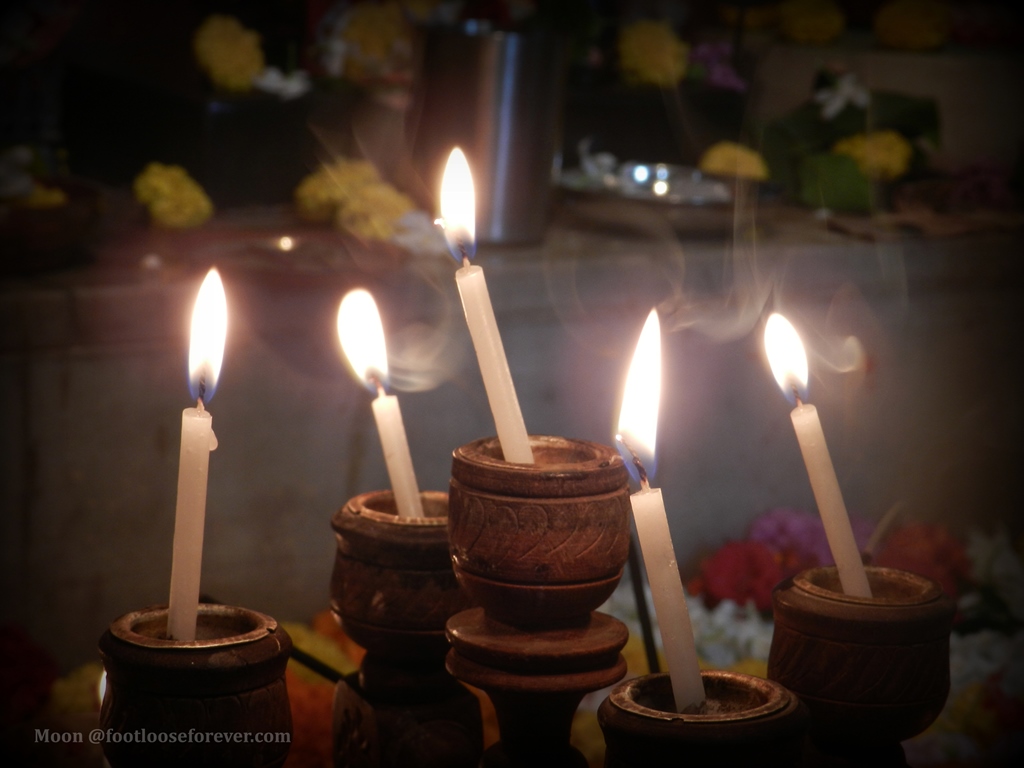
candle, candles, light

It is during our darkest moments that we must focus to see the light.

~ Aristotle Onassis

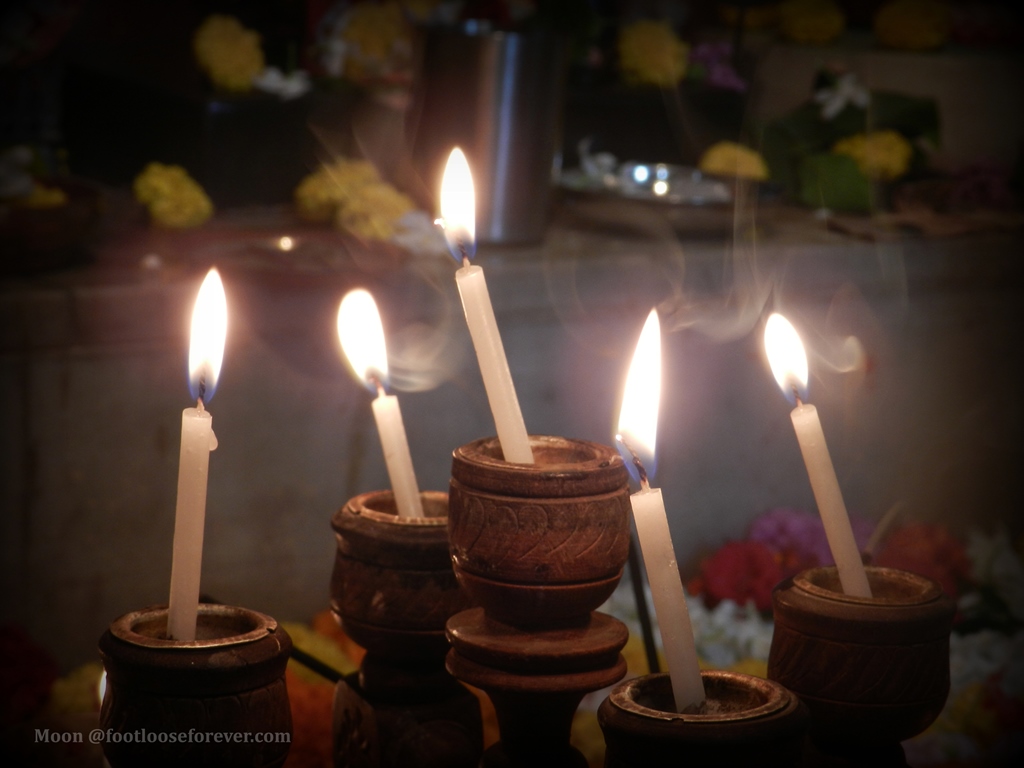
Light is life, darkness is death. Let the light be all over. As long as I see light I feel alive… I feel connected to the universe.

candles, candle, light, flame

Published in response to Daily Post Weekly Photo Challenge: Connected.
Indian Bloggers

Top Luxury Hotels in Pittsburgh

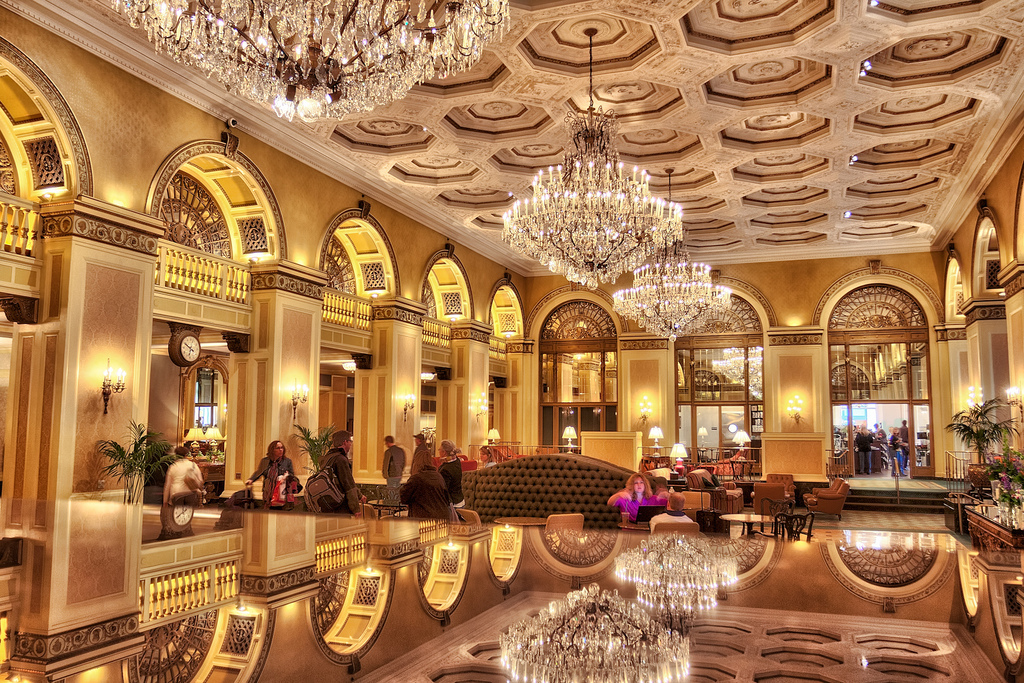
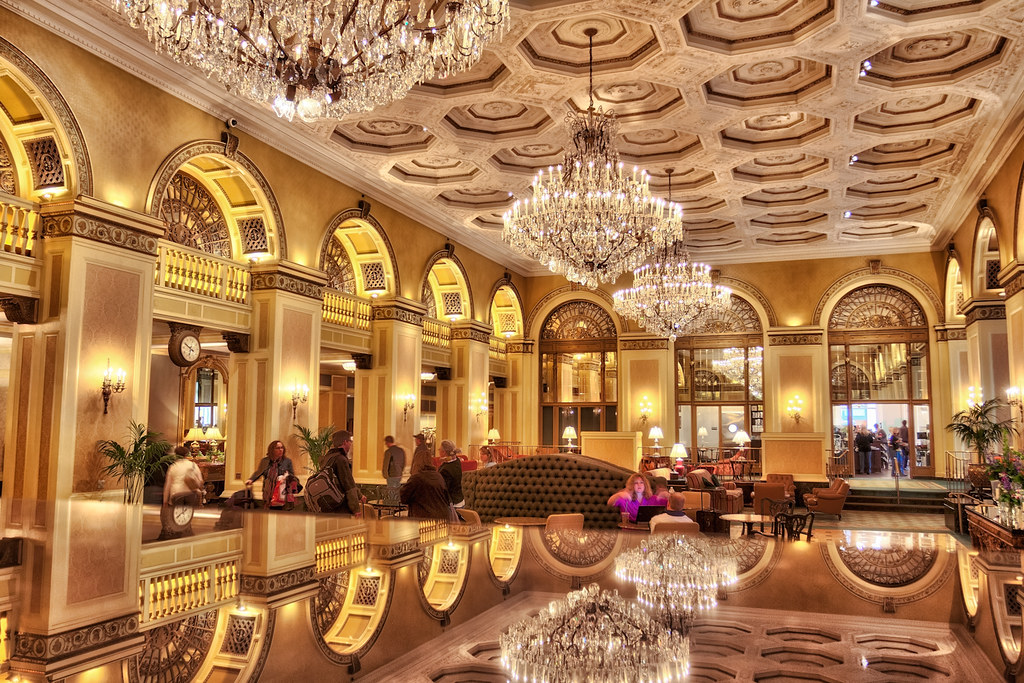
Omni william penn hotel, luxury hotels pittsburgh

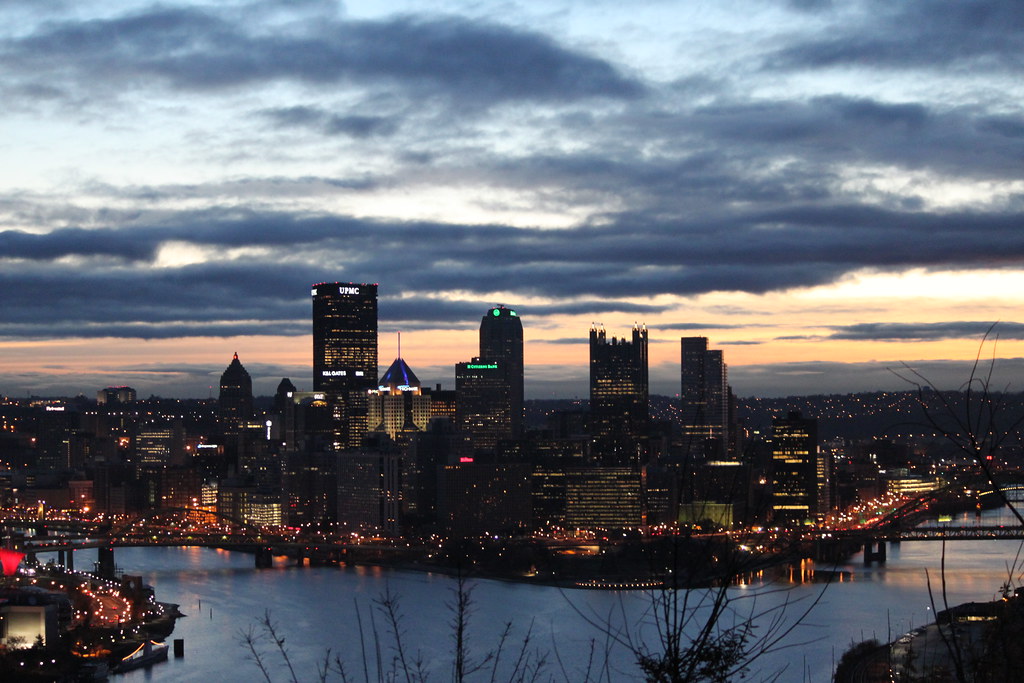
Pittsburgh, with its rugged industrial past and cosmopolitan culture, is one of the most advanced cities in the United States. Not just a commercial hub in the state of Pennsylvania, the city is home to several museums, amazing architecture, and some of the leading academic institutions in the country. Outdoor adventure and cultural festivals are other reasons tourists flock here all year. Check out these top 5 hotels in the city.

Pittsburgh, Pennsylvania

Image by David Fulmer via Flickr

Hyatt Regency Pittsburgh International Airport

Located close to the airport Hyatt Regency Pittsburgh International Airport offers plush, sound proof rooms to make sure you experience a quiet stay. The Business Plan rooms, designed for corporate travelers, have an ergonomic chair, large work desk, computer, and complimentary high-speed Internet access. The hotel’s guest rooms are pet friendly. Among the property’s amenities and features are yoga sessions, heated indoor pool, and free local transportation.

Omni William Penn Hotel

Omni William Penn Hotel, a historic property dating to 1916, has classic décor, a luxurious interior, and expensive wood furnishings in the guest rooms, giving the property a sense of Pittsburgh’s rich European heritage. The world-class service makes this award-winning non-smoking hotel a favorite hideout for celebrities, statesmen, and corporate leaders. The Speakeasy lounge serves cocktails like those popular in the 1920s. Heinz Hall for the Performing Arts is fours blocks from the hotel.

Omni William Penn Hotel, Pittsburgh, PA

Image by Mathew Paulson via Flickr

Red Roof PLUS+ Pittsburgh South – Airport

If you are looking for an economical pet friendly hotel, Red Roof Plus Pittsburgh South – Airport is the place for you. This hotel does not charge anything extra for your canine friends. Among the guest room amenities and features at Red Roof PLUS+ Pittsburgh South – Airport are a flat-panel television with cable service and premium channels, desk, and safe. Wi-Fi, local calls, and cribs and infant beds are complimentary.

Shadyside Inn All Suites Hotel

Shadyside Inn All Suites Hotel, an aparthotel in Pittsburgh’s Shadyside neighborhood, is within one mile of Carnegie Mellon University, University of Pittsburgh, and University of Pittsburgh Medical Center Shadyside. Among the hotel’s amenities and features is a business center, conference space, meeting rooms, complimentary area shuttle, free self-parking, garden, and picnic area. Guest room amenities include a livingroom, dining area, and kitchen with full-size refrigerator/freezer, microwave, cooktop, coffeemaker, cookware, utensils, and dishes. There is free wired high-speed Internet access and a LCD television with digital service and premium channels.

Shadyside Inn All Suites Hotel, Pittsburgh, PA

Image by Shadyside Inn All Suites Hotel via Flickr

Sunnyledge Boutique Hotel and Tea Room

Small array of exclusively designed rooms, tranquil atmosphere, graceful interior design and the warmth of personalized service tailored to every guest’s personal taste and preferences — you will find all the specialties of an authentic boutique hotel in Sunnyledge Boutique Hotel and Tea Room. The classic interior décor, complimentary continental breakfast, and lavishly appointed library for leisurely reading will remind you of an aristocratic European lifestyle. Workout in the hotel’s fitness center in the morning, and savor the finest wines in the hotel’s Martini Bar in the evening.

Voluntourism: Helpful or Hurtful?

Volunteer tourism, voluntourism

This post was posted by The Hipmunk on Hipmunk’s  Tailwind blog on August 28th.

Volunteer tourism

Jet to an exotic country. Get immersed in local customs. Help build a house or dig a well. Make buddies with fascinating people you’d never meet otherwise. A “voluntourism” trip seems like a great way to give back or improve the world in a small way. It can be, but you should ask a lot of questions before signing up and plunking down cash.

Over the last several years, this well-meaning market has grown quickly, with studies estimating 1.6 million volunteer tourists per year and growing. About 33 percent of volunteer travelers are between the ages of 20 and 40. Another 34 percent are slightly older, between 41 and 60. Overall, the travelers are more likely to be female. However, the impact of these trips is hard to quantify. A large majority of the tourists take them because they want to help alleviate poverty and find joy in the camaraderie.

Voluntourism: Helpful or Hurtful?

In a piece for the Guardian called “Beware the ‘Voluntourists’ Doing Good,” Ossob Mohamud writes that there are more effective ways to help the needy than take a trip. His concern is that very often the helpers come off as patronizing and condescending, with little understanding of the local culture and the people’s actual needs.

Other critics complain that high-paying volunteers take jobs away from local laborers. The engagement between volunteers and Cambodian orphans may seem endearing — until you discover some of these children have families, and are just being hired out to entertain big-hearted tourists with sob stories. In other reported cases, an orphanage may keep the conditions of an institution squalid to ply more money from tourists primed to donate. Even if the orphans do connect with the volunteers, they’re once again faced with feelings of abandonment when the tour is over.

Not all NGOs think voluntourism is bad. Chris Johnson, director of communications for the Fuller Center of Housing, is less concerned about a volunteer’s impetus for choosing to build homes for families in the mountains of Peru or Nepal “as long as the work gets done.” In a New York Times article, he explained that the families who benefit from the new residence probably don’t care if the builders are doing it for selfish reasons.

How Do You Know If Your Program Is Effective?

So, how do you know if the program you’re paying for is actually helping people? There are several important details to consider that will help uncover the impact of the tour, outlined by the editors of the site Ethical Volunteering.

1. Bigger Isn’t Always Better

While you might think the more you pay for a tour, the more impact it will have, a more expensive tour may have less impact because it has fewer connections to local organizations.

2. Watch out for Grand Promises

As much as you want to think you’re “changing the world,” the reality is you’re giving a small boost to an organization that needs a hand. Be mindful of marketing that promises more.

3. Don’t be swayed by pictures of children

It’s great to help children, but if you’re looking at a brochure that tugs at your heartstrings rather than demonstrates what impact you’re making, be wary.

4. Check if the organization screens volunteers

Is this organization of change hoping to capitalize on your skills, or does it just need your money? Take heed if it doesn’t care about what capabilities you have.

According to a study by the Adventure Travel Trade Organization, the most popular volunteer programs offer the opportunity to work with children, support education, protect the environment, create local jobs, and assist clean water projects.

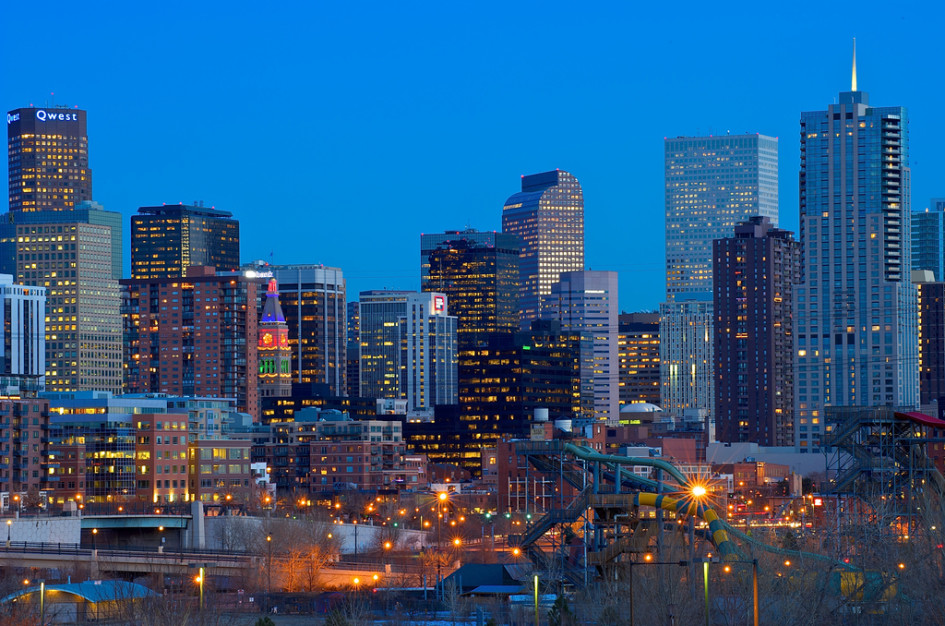
While the popular voluntourism destinations are in Asia, Africa and Latin America, it’s also possible to assist NGOs in cities such as New Orleans and Orlando. Some hotels in Denver, like the Four Seasons Hotel Denver, have been known to offer a discount to guests willing to spend half a day working with charity.

Find a project that makes for a great experience while also positively impacting the world.