A Short Trip to Namchi, South Sikkim: Traveler’s Diary

Namchi, Valley, Sikkim, South Sikkim
Namchi Valley

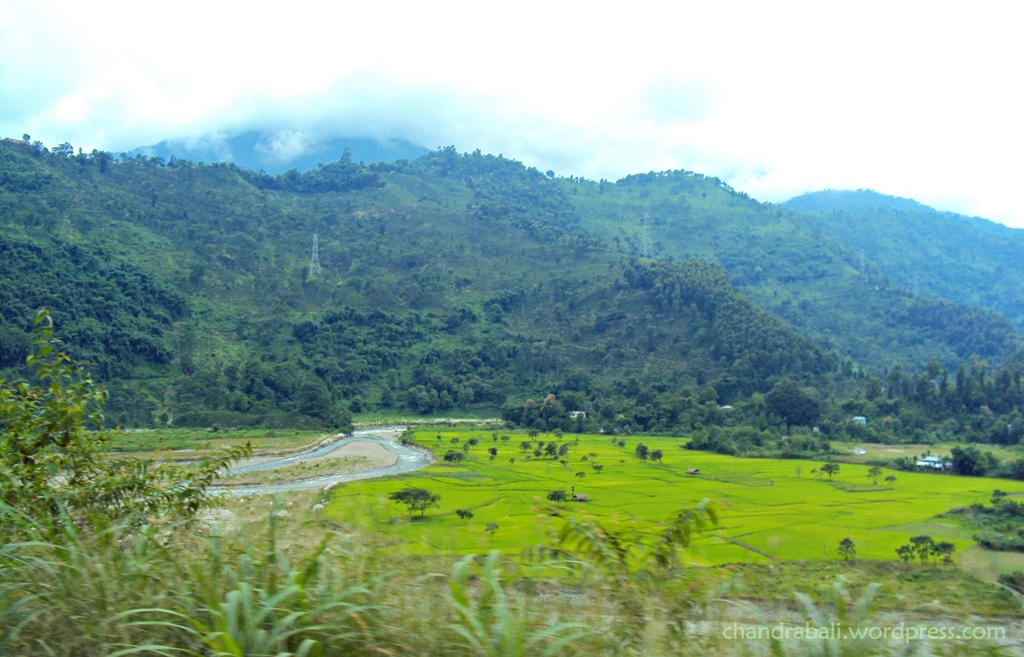
Namchi is the capital town of the district of South Sikkim. Nestled in the lap of Himalayan mountain range, at an altitude of 1315 meter, Namchi is known for its natural beauty. As we planned for a weekend short trip that summer we chose Namchi for its breathtaking scenic beauty and comparatively less crowd than other hill stations. We went off the beat by choosing Pipalay, an unspoilt mountain village located in proximity to the town of Namchi.

Where to Stay
River Ringit, Namchi, Sikkim, South Sikkim
River Ringit, Namchi

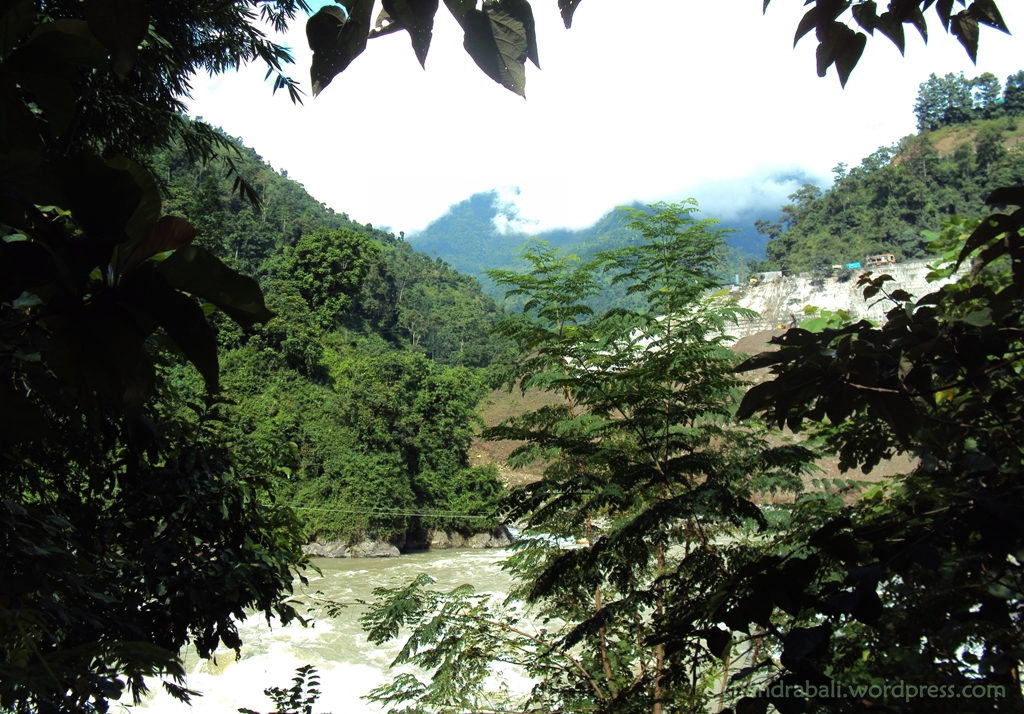
Not so known and not so developed Pipalay is a wonderful place to stay if you are fond of majestic mountains, rippling rivers and fountains and lush greenery.  A small cottage surrounded by tall Shaal trees on the bank of gushing river Ringit was our abode during the short trip. The view of the mountains and the river right through the cottage window is simply amazing. The sound of the river amplified by the silence of the mountains all around makes you feel in harmony with nature. In the night flood light from Rothak Power station on the other side of Ringit created a magical aura.
Namchi, Rock Garden, Sikkim, Namchi Sightseeing
View from Namchi Rock Garden

As you search over internet you’ll find some standard hotels in Namchi. These hotels are mostly located in the township of Namchi. Though they do not promise high standard of service and wide range of amenities they surely offer cozy and comfortable accommodation. But for a completely unique experience I recommend Shephard’s Vacation Home (Ph: 09002503151) where we stayed for 3 days and 2 nights.
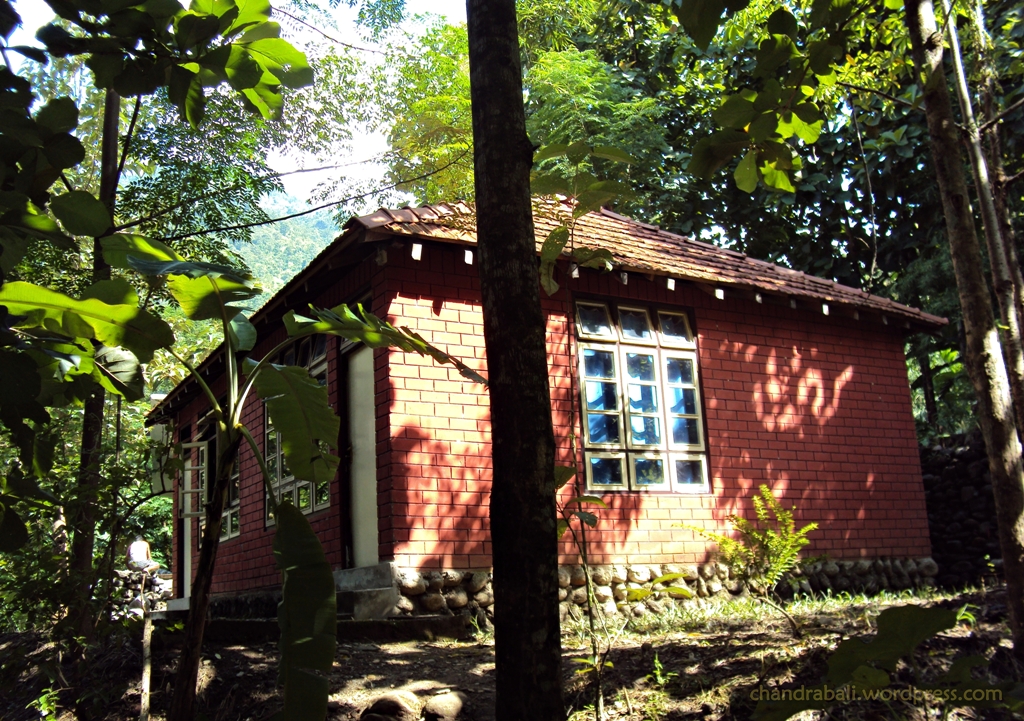
 

Shephard's Vacation Home, Namchi Hotel, Hotel in Namchi, South Sikkim
The cottage on the banks of River Ringit

How to Get There

We reached New Jalpaiguri early in the morning (7 am). Darjeeling Mail was right on time. However, there are other trains like Kanchanjanga Express, Testa Torsa Exp, etc.

We took breakfast in the railway canteen and then started for Namchi at about 9 o’clock. The hotel’s car was waiting outside the station. It took nearly 3 hours (by car) to reach Jorethang, the nearest commercial and transport hub. From Jorethang we took right turn towards Namchi.

It took 20 minutes more to reach to Rothak Power Station on Ringit. The hotel’s car could not go further as the only way to reach the cottage on the other side was a narrow, hanging bridge made of wooden boards some of which were missing along the way allowing through holes scary glimpse of the wild streams running some 40 feet below my feet.
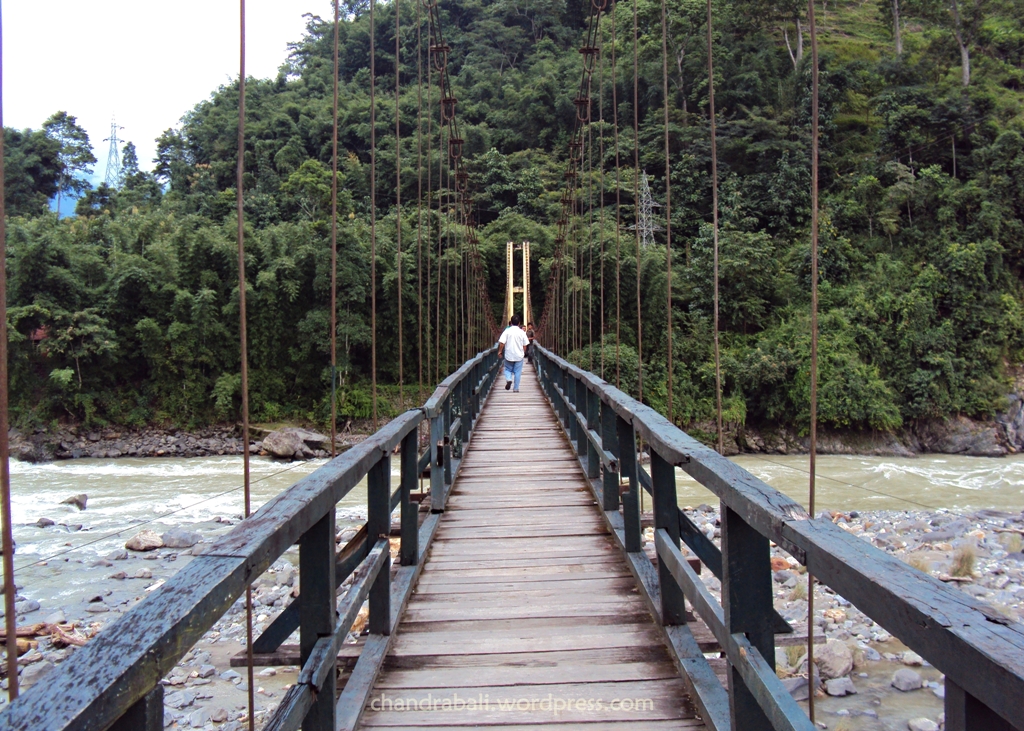
The bridge on River Ringit, Namchi, Sikkim
The bridge on River Ringit will take you to the cottage

What to See

The scenic beauty of the place itself is a treat to the eyes. But there are some other things to see as well. Even though ours was a very short trip the owner of the hotel planned our itinerary in a way so that we don’t miss the main attractions of the place. The next morning of our arrival we started for Namchi sightseeing.

Padmasambhava, Samdruptse, Ravlong Monastery, Samdruptse, Namchi Sightseeing, Sikkim
Padmasambhava, Samdruptse monastery, Namchi

Samdruptse

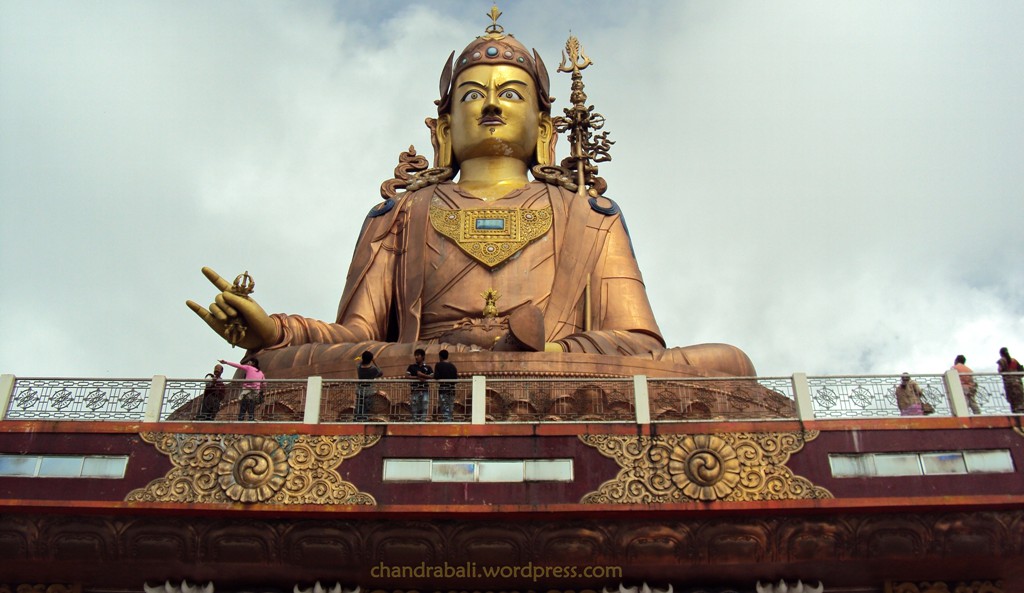
Our first destination was the Buddhist shrine of Samdruptse. The awe inspiring 45m high statue of Guru Padmasambhava watching over the hills is a must see. Inside the temple below peace and quiet prevail all around. The place is dotted with manicured plants and blossoms to add to the beauty and serenity of the place.
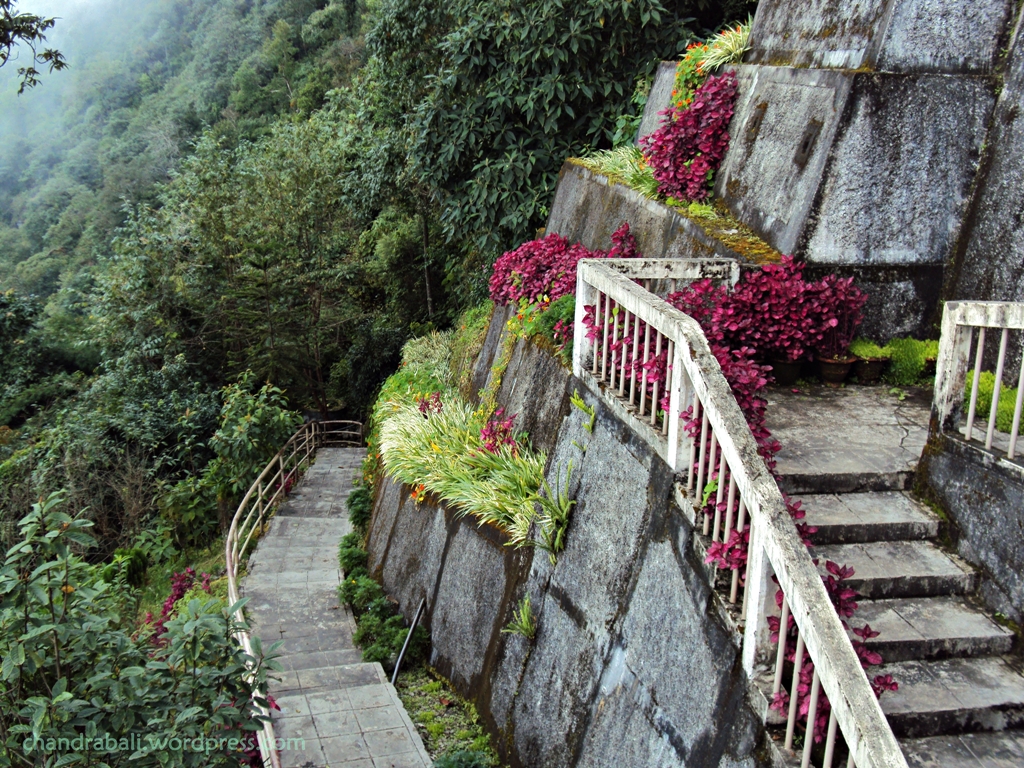
 

Namchi Rock Garden, Namchi Sightseeing, South Sikkim
Namchi Rock Garden

Namchi Rock Garden

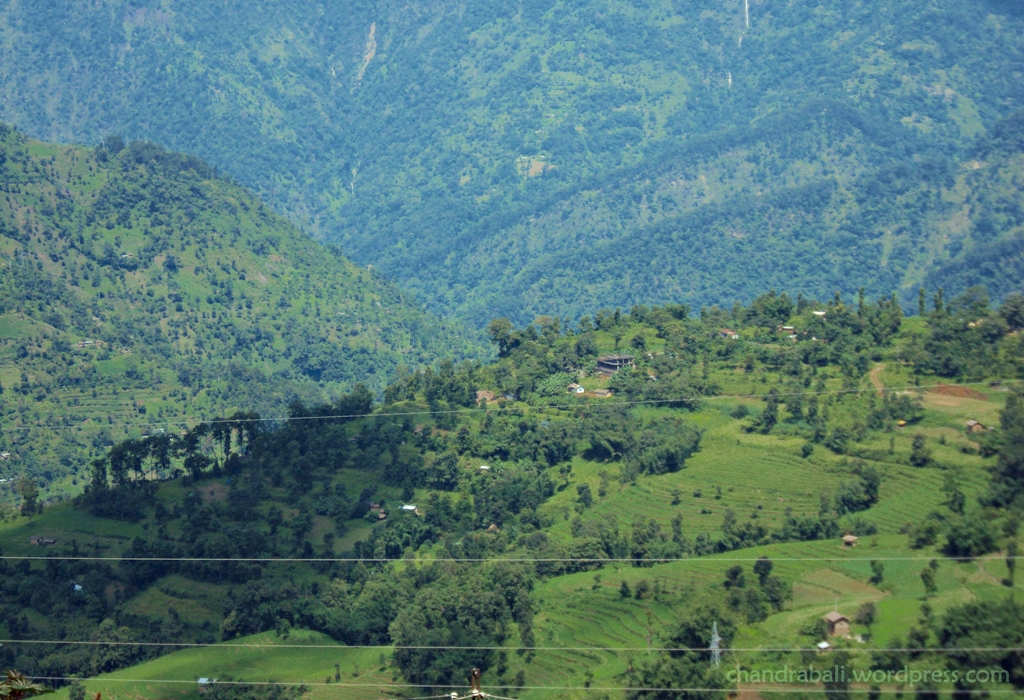
On our way back we stopped at the Namchi Rock Garden. It is actually a view-point from where you get awesome view of the surrounding mountain range. The blue-green mountain wearing a veil of mist – the spiral roads carved along the green slopes – smoke coming out from small cottages down the mountain village – all contribute to form a beautiful landscape to watch at from the Rock Garden.

Namchi Bazar

After spending half-an-hour enjoying the scenic beauty we started towards Namchi town. We made our way through the bustling Namchi Bazar (town’s market). Local men and women wearing multicolored costumes, hues of fresh vegetables, fruits and flowers in the market make it a vibrant place. We reached the plaza in the center of the town. The commercial hub of Namchi town is a well planned and nicely decorated plaza housing shopping arcade, eateries, restaurants and entertainment center and of course ATMs of leading banks. So you can shop freely if you have the debit card with you. From fashionable clothing, accessories and jewelry to a variety of dry fruits, handicrafts and trinkets – Namchi Bazar has a lot of things to offer.

It was nearly 4:30 in the afternoon. The golden rays of sun was telling us he was about to set and we need to hurry otherwise we’ll miss two man-made wonders of Namchi.
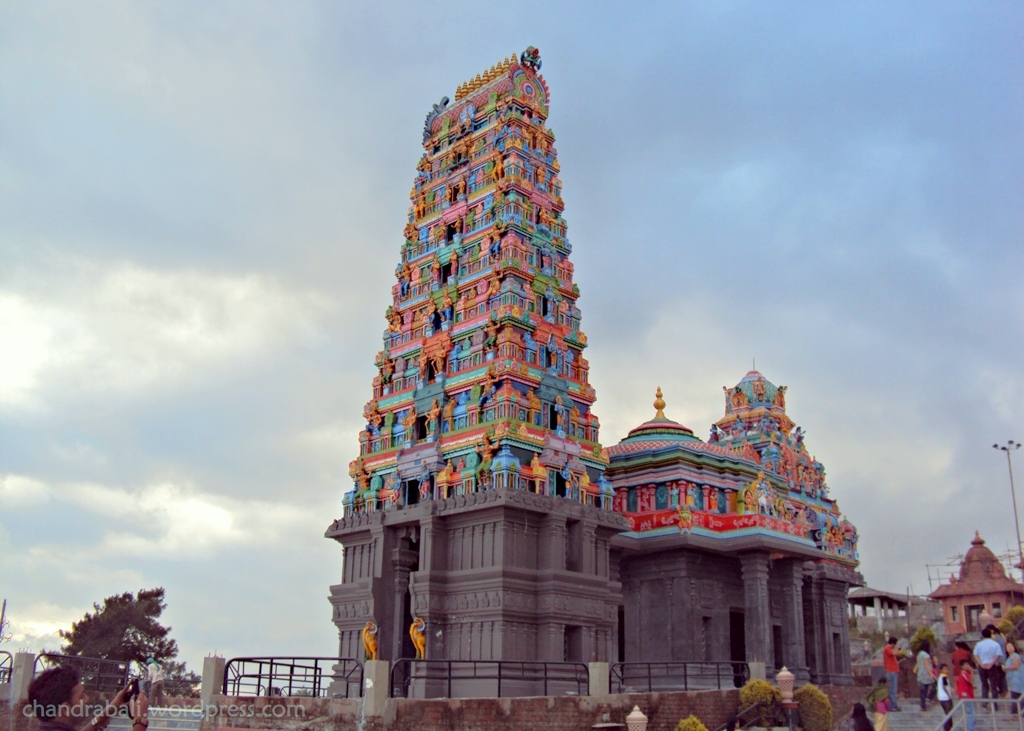
Chardham Temples, Namchi Sightseeing, South Sikkim
Chardham Temples, Namchi, Sikkim

Chardham

We drove to Chardham at Solofok, a sacred pilgrimage (which was under construction at the time of our visit in September, 2010) consisting of replicas of four famous Hindu pilgrimages –  Rameshwaram Dham, Jagannath Dham, Dwaraka Dham, Badrinath Dham. There is also a beautiful temple featuring a huge statue of Lord Shiva sitting on top of the temple.

Assangthan Helipad

On the way back a surprise was waiting for us. The driver took us to Assangthan Helipad located on the top of a hill. It’s the perfect spot to get a 360 degree view of the valley below. We enjoyed awesome view of the setting sun from there.

Some other places that we missed in our Namchi trip are Temi Tea Garden and Maenam Wildlife Sanctuary. The lone tea estate in the entire state of Sikkim offers scenic beauty and lush greenery to behold. The wildlife sanctuary gives you an insight about the rich flora and fauna of the region. You’ll see some beautiful birds and can catch the glimpse of red pandas here. However, to cover all the places conveniently you need to extend your trip to a few more days.

What to Eat

We reached Pipalay in the afternoon at about 1:30 pm. We were too hungry to go outside and decided to take our lunch at the hotel’s restaurant which was not fully developed at that time – there was no menu card, no pricing list and no options to choose from. For a bowl of plain rice, daal, chicken and salad in lunch and rice and egg curry at dinner we were billed Rs 2000! And we took our lesson. When you are staying at a remote or underdeveloped area it is better you have your meals in the nearest town during sightseeing in day time and pack your food for dinner while getting back to the hotel in the night. There are restaurants in Jorthang where you can have Indian and Chinese at reasonable price. By the way, don’t forget to taste Momo at Namchi Bazar. You’ll relish it, I bet.

When to Visit

The best time to visit the place is from March to October. Though we found the weather little hot and humid during the day in September, nights were lot cooler. Mountain has a different charm in monsoon but that can be dangerous too with muddy and slippery roads and landslides. So if you are not so daring avoid visiting the place in June, July and August when Namchi sees huge rainfall.
Varanasi: A Visit to the Cultural Capital of India – Part III

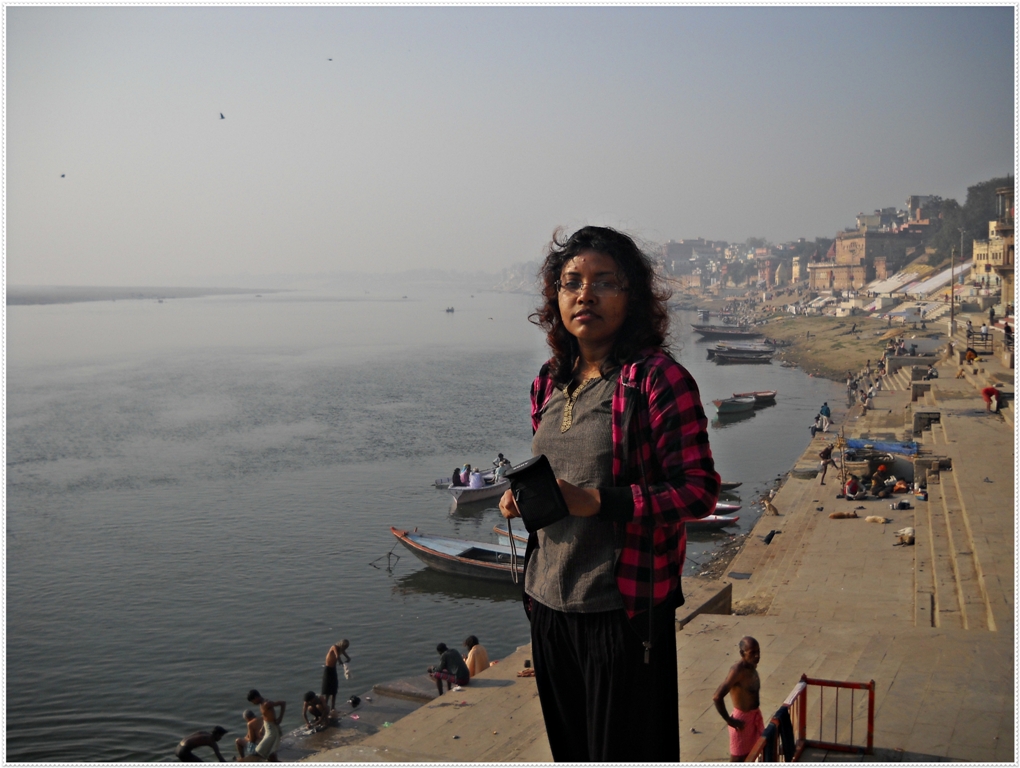
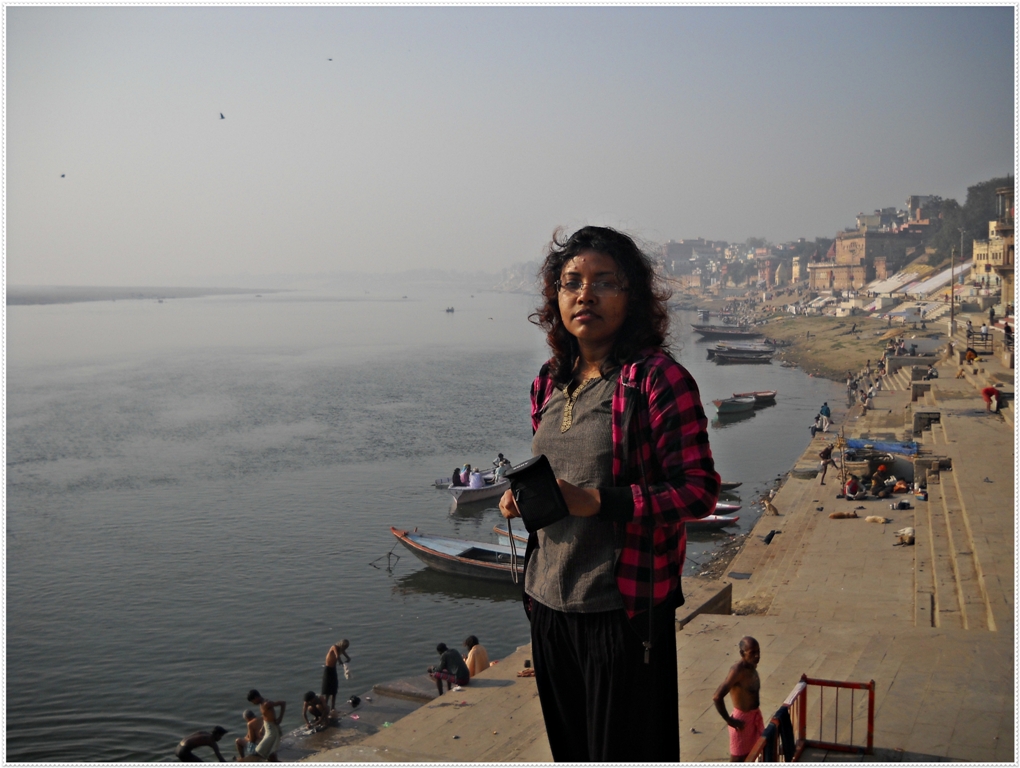
Me at Varanasi, Ghat, photography

This is a continuation of my previous posts – Varanasi: A Visit to the Cultural Capital of India and Varanasi: A Visit to the Cultural Capital of India – Part II. Hope you enjoy reading…

The Last Day: Exploring the Ghats in Varanasi

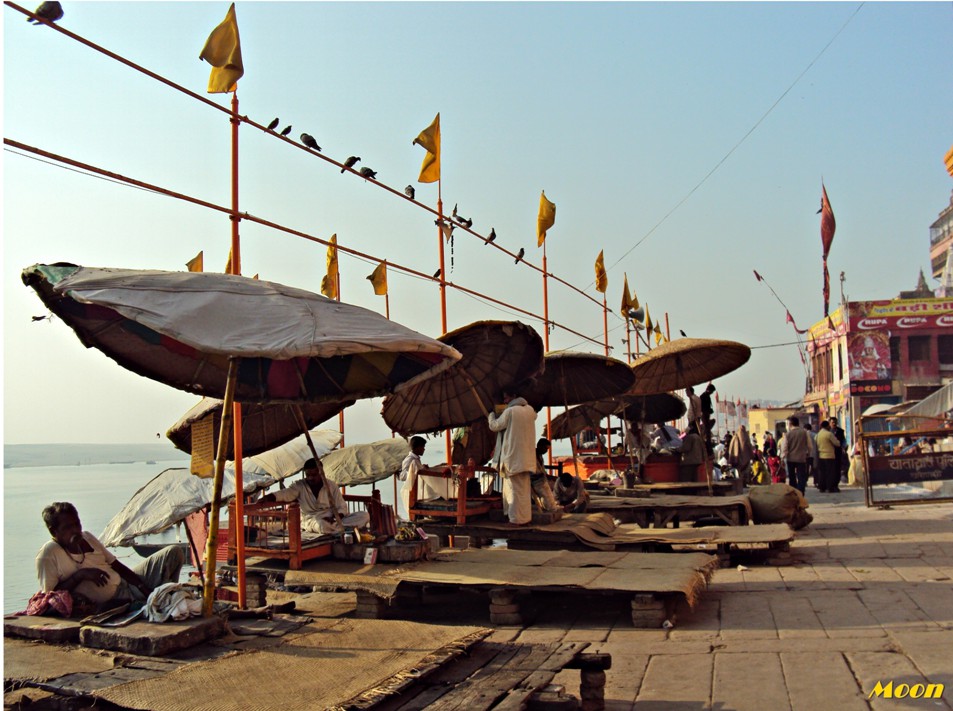
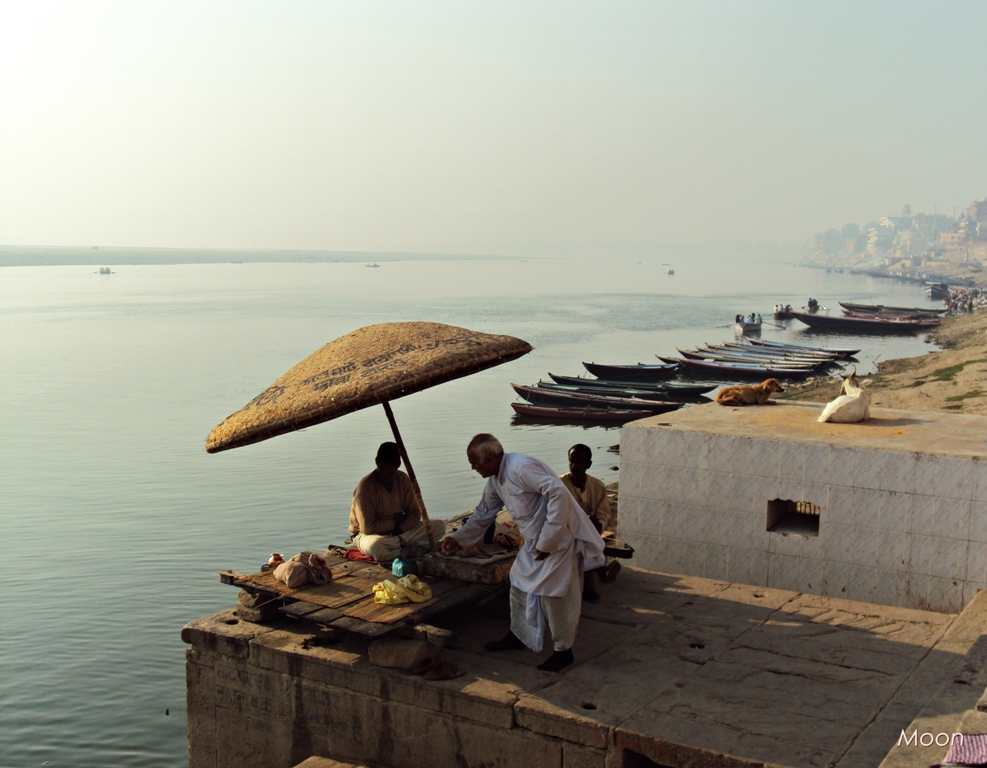
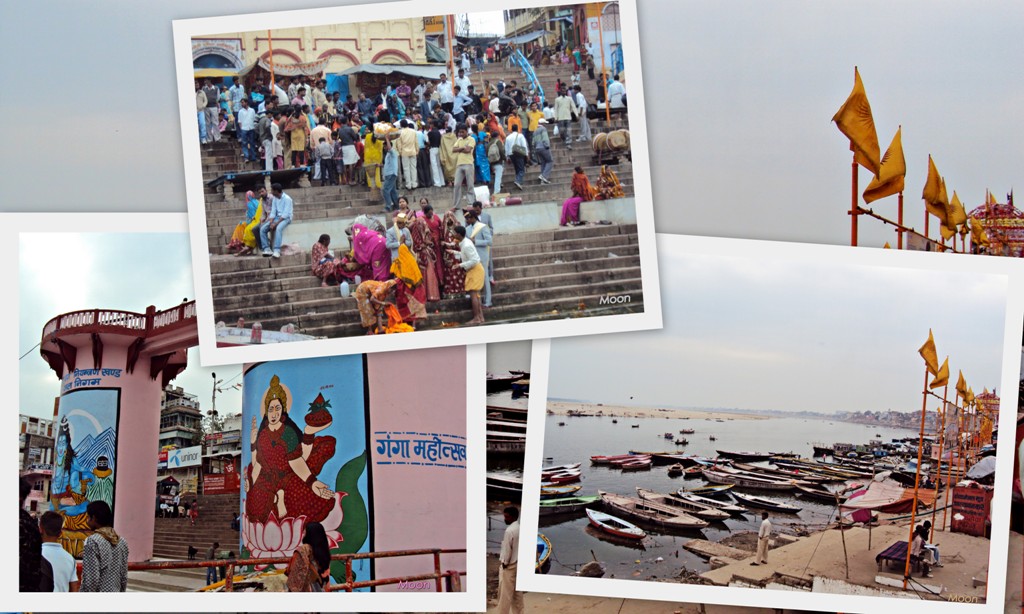
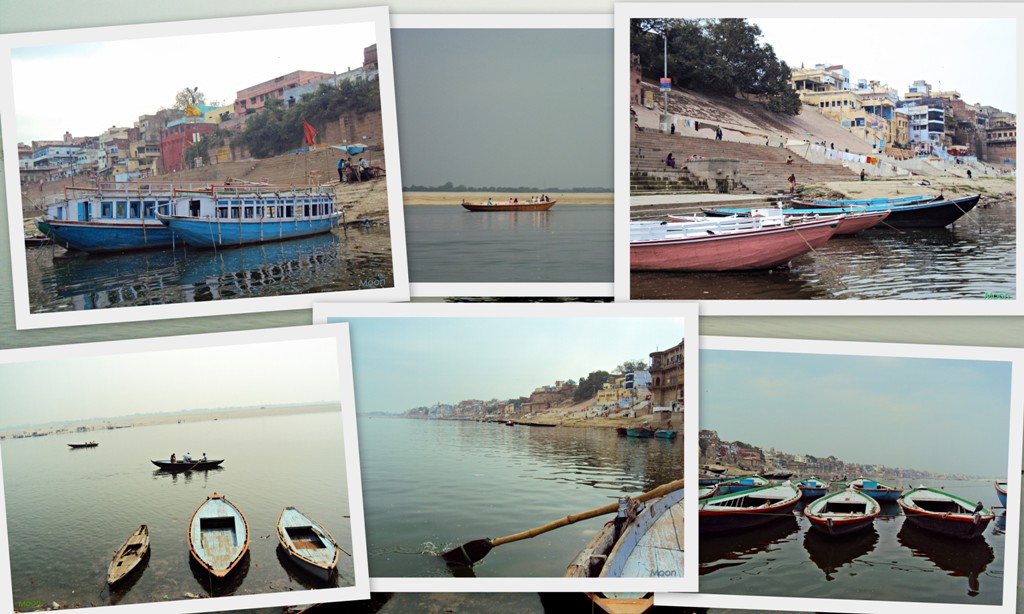
On the next and the last day, I decided to explore the ghats on my own while my family went to Viswanath Temple for the second time. The main ghat was a 5-minute walk from the guest house. It was early morning and I roamed the ghats to ‘feel’ Varanasi for the last time. The river, the boats, the flowers in the floral shops, the sages in saffron and the people taking holy bath … all looked so different in the soft light of morning sun. I tried to capture some regular activities along the ghats.

Moon, Varanasi, Ghat, photography, Varanasi, Uttar Pradesh
My Photographer Avatar 🙂

Here are some for your eyes only…  🙂


This slideshow requires JavaScript.


In spite of its zigzag narrow lanes, enough to give you the feel of labyrinths; dirty overcrowded ghats, polluted water, congested roads and no traffic rule at all, Varanasi has its own charm with its age-old edifices, temples and a laid back attitude towards life. It was really a wonderful trip to the holy city in late February when the weather is pleasant. I think this is the best time to visit the place if you want to avoid both the chilling winter and the scorching summer of Northern India.

Gradually our time in Benares came to an end. I chose the Travera of the guest house for extra comfort. Pickup and drop cost us a total of Rs. 1200 which could be cut down to Rs 300-400 if we took auto rickshaws. But I don’t mind that extra bucks for the comfort and convenience of my family.

N.B: If you need to dry your laundries out in the sun don’t forget to clip them tight. Otherwise, you may lose them forever… courtesy monkeys.  They have a tendency to grab anything and everything that belongs to human species… 😉 .   Take care and have a nice trip!


Varanasi: A Visit to the Cultural Capital of India – Part II

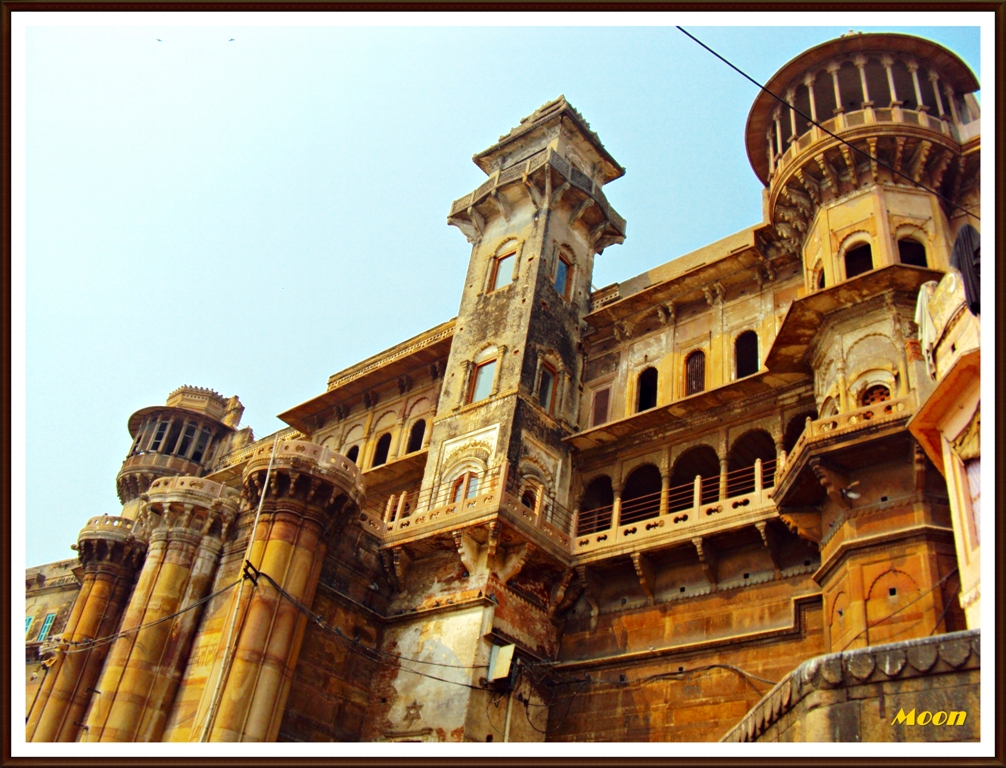
old mansion, Varanasi

This is a continuation of my previous post Varanasi: A Visit to the Cultural Capital of India

Second Day: Varanasi Sightseeing

The second day was reserved for sightseeing. In the morning we went to  Kashi Viswanath temple for ‘puja’. It was a Monday and the alleys to the temple were stuffed with people, actually devotees, from all across India.  Being a not-so-religious kind I chose to wait at a distance with all the mobile phones and cameras while my mother and aunt went inside. They don’t allow mobile phones and cameras inside. So, one way or the other I had to wait outside.

After lunch we set out for sightseeing in Varanasi. This time we didn’t take car from the hotel. We managed it with a local car rental agency and hired a Tata Sumo for the rest of the day at Rs. 800 (at the hotel desk, they asked for Rs. 2000). But I advise you should always start early for sightseeing.
Ram Nagar Fort

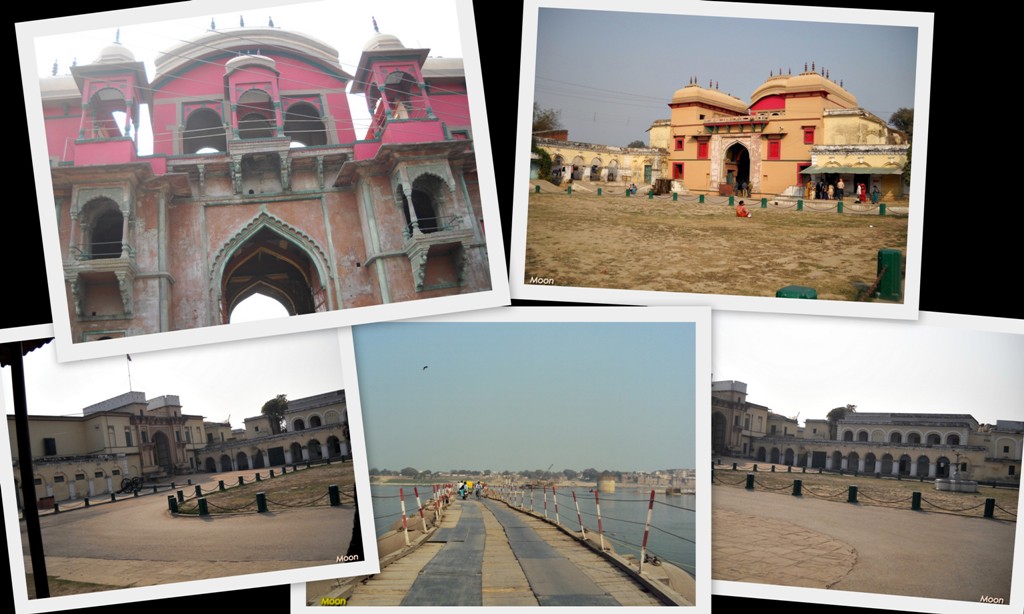
We started at 1:30 pm from the city and headed to Ram Nagar Fort, the palace of the ‘Maharaja’ (king) of Kashi (Benares).

Now the palace has been turned into a museum where you can see a historic collection of oriental and western artillery used in the 17th and 18th centuries; the cars and golden chariots used by the royal family; the silk robes and intricately designed silver dinnerware and decorative ceramics.

Ram Nagar Fort, Varanasi, Varanasi Sightseeing, Uttar Pradesh
Ram Nagar Fort

I liked the beautifully crafted chariot and was amazed by the size of a huge Cadillac. The ‘Rang Mahal’ (entertainment hall) has fascinating stained glass windows and doors to add more charm to its purpose, I guess.

Sarnath

From the fort we headed right to the holy shrine of ‘Sarnath’ where Lord Buddha is believed to preach his first sermon. Here, one thing I must mention that normally the sightseeing trips start with visiting temples in and around the city, then the university and then Ram Nagar fort to Sarnath which is about an hour journey from Varanasi. Since we started late we changed the itinerary starting with the distant fort and shrines and then coming back to the city.

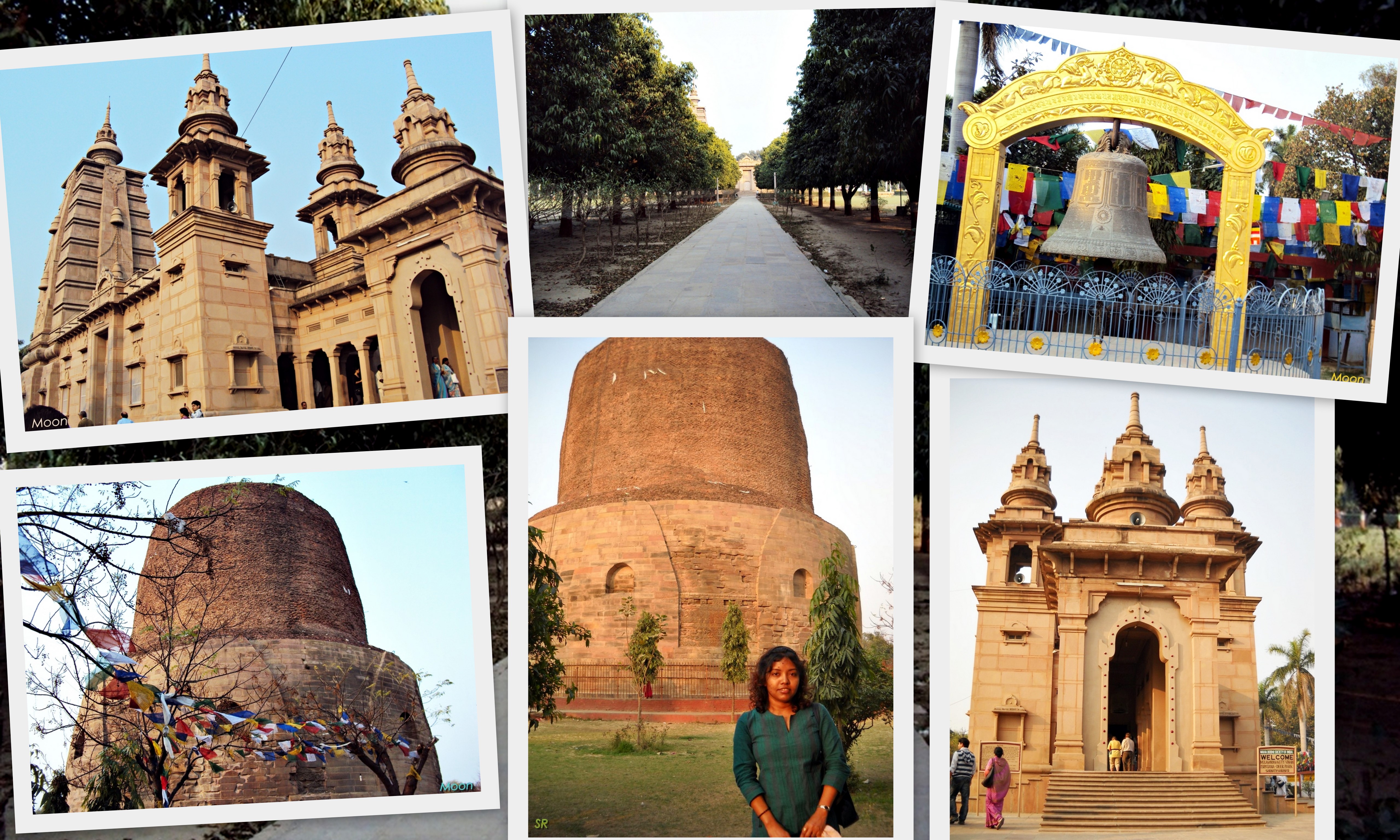
Sarnath temple, Varanasi Sightseeing, Uttar Pradesh
Sarnath Temple


Sarnath Temple was looking beautiful in the golden streaks of twilight sun.

Sarnath, Buddhist Shrine, Varanasi Sightseeing, Uttar Pradesh

The temple premises were clean and quiet with the typical characteristics of a Buddhist shrine. Serenity was prevalent in the atmosphere. But what disturbed my mind was the signboard right inside the temple “Rs 25 for Photography” while “photography prohibited’ was written outside. Commercialization has turned out to be an infectious disease!

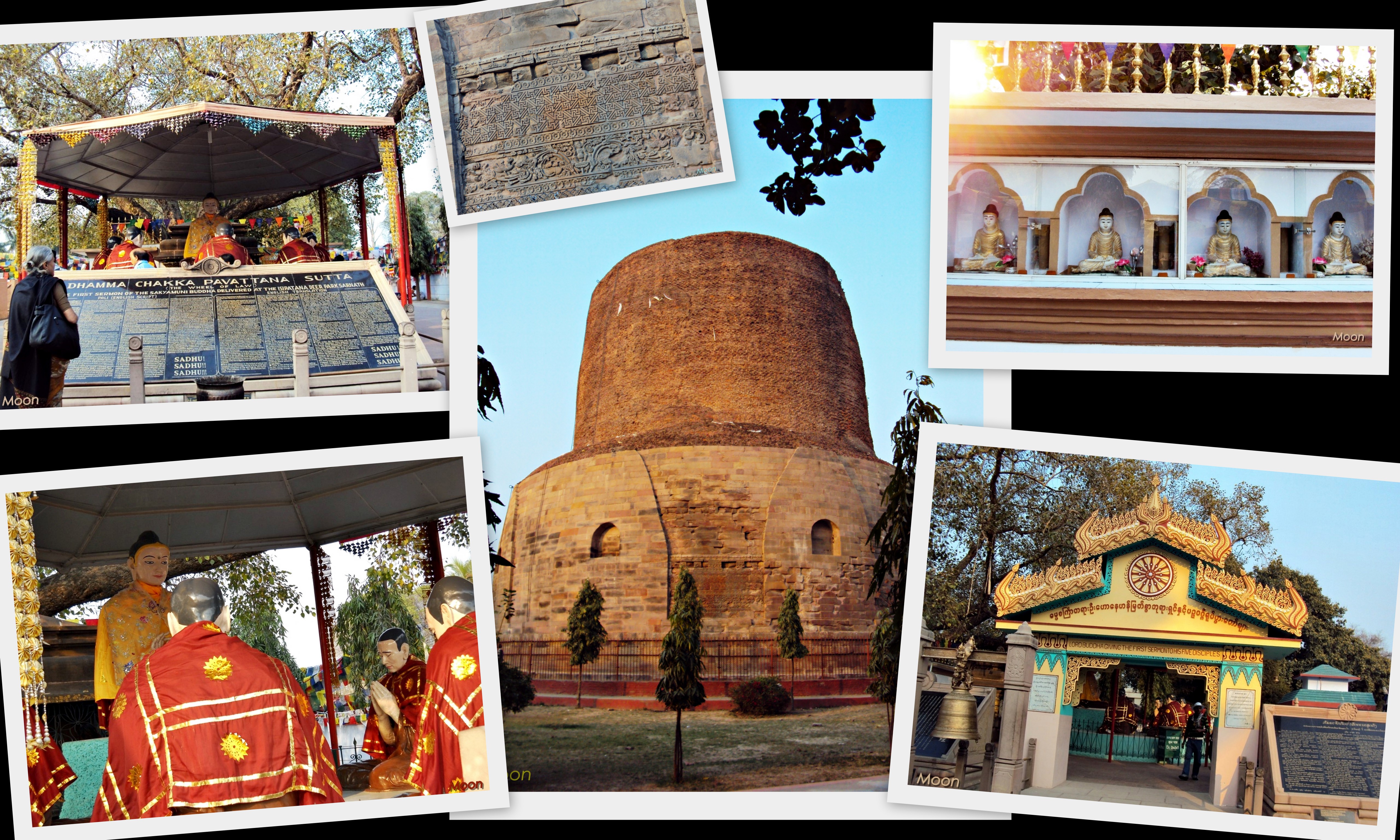
Sarnath Temple, Lord Buddha, Varanasi Sightseeing, Uttar Pradesh
Lord Buddha believed to have preached his first sermon at Sarnath

Banaras Hindu University

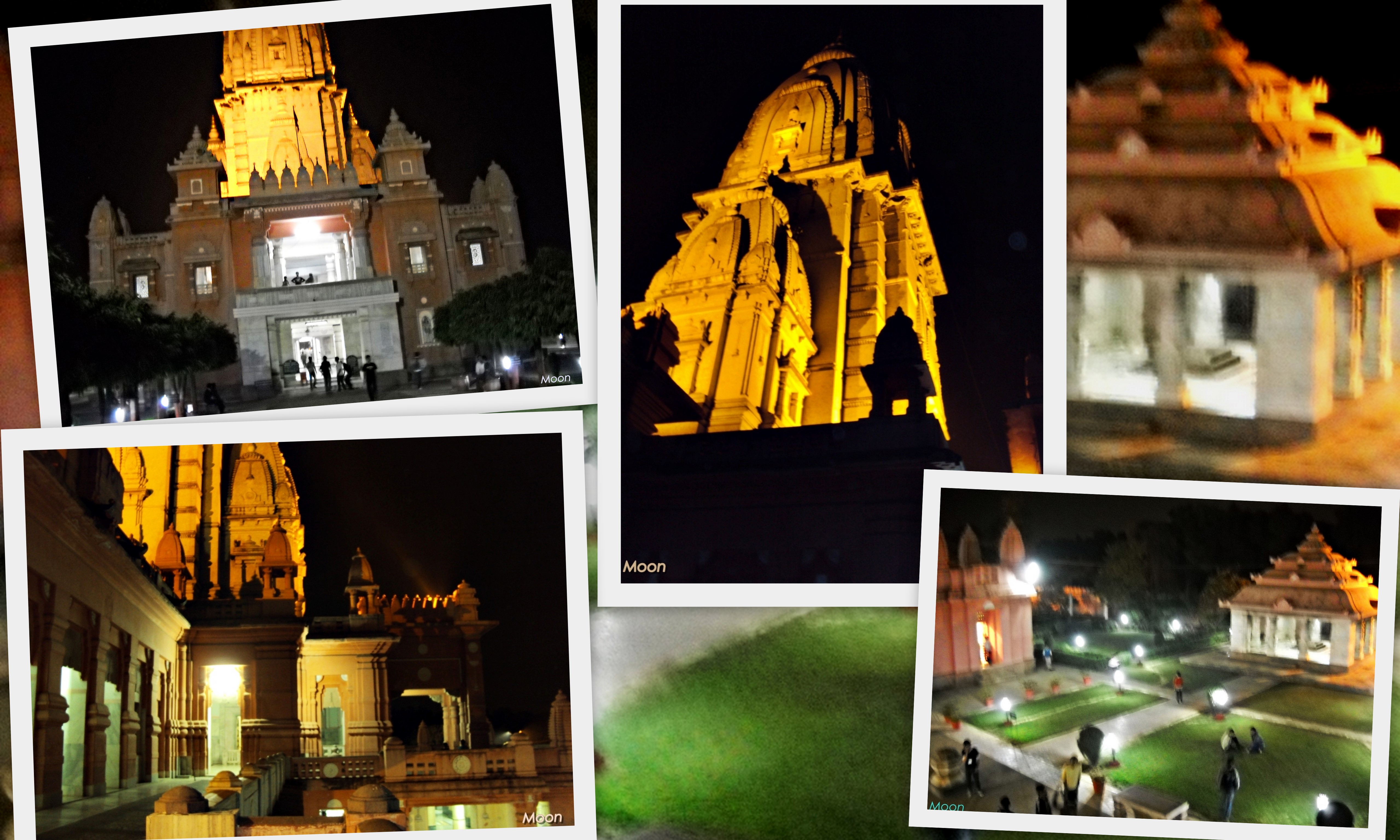
Our next destination was BHU, Banaras Hindu University, one of the largests in India. The university has its own aerodrome, helipad and bus service. The buses start from the main gate and ply the sprawling 10 sq km campus dropping students at their respective department buildings. Unfortunately it was already dark and I couldn’t take pictures. You’ll like the beautiful Birla Temple situated inside the campus.

Birla Temple, Banaras Hindu University, BHU, Varanasi Sightseeing, Uttar Pradesh
Birla Temple at Night, Banaras Hindu University

Durga Mandir

Back to the city, we visited temples of Gaudi (Durga Mandir), Hanuman Ji (Sankat mochan) and Annapurna.

The manager at car rental suggested for a day trip to Triveni Sangam, Allahabad which is about 3 hours drive from Varanasi. Unfortunately we were too short of time. Well… there is always a next time … :).

Continued… Part III: Exploring the Ghats

Varanasi: A Visit to the Cultural Capital of India

Morning activities on the ghats, Varanasi

‘The cultural heart of India’… or ‘the melting pot of Indian culture’ … or ‘the holy city of India’ – whatever you like to call it, the world’s oldest continuously inhabited city, Varanasi has its own charm to attract travelers from all across the globe. Glimpses of Benares in Satyajit Ray movies have always made me curious about the city. As I read Aldous Huxley’s ‘Benares’ …all those description of boats in the river, the ghats and Hindu rituals during solar eclipse ignited my inquisitiveness further.

Varanasi, Ganges, Ghats, Banaras, Benares, Uttar Pradesh
Incredible Benares

Recently I had the pleasure of visiting the old city of Varanasi (Banaras) and would like to share my experience there. It was a family tour with my mother, aunt and my sisters.

Getting There

On 19th February we boarded the Howrah-Mumbai Mail at 10pm. Courtesy Kolkata’s typical rallies and meetings, all the roads to Howrah were blocked and we were stranded in traffic jam for 2hrs. Thankfully, it was our destiny that we reached the station literally at the last minute when the guard was about to wave the flag and finally managed to get on board.

The train reached Mughalsarai Junction next morning right in time. We opted for pickup service (Rs 600) provided by the hotel. A white Ambassador was waiting outside to take us to the guest house. We took the GT Road (or NH2). It was a journey of about an hour from Mughalsarai station to Godowlia Crossing, in the heart of Varanasi. However, there are plenty of auto rickshaws and trekkers outside the station that are much cheaper mode of transportation.

Ghats, Ganges, Varanasi, Banaras, Benares, Uttar Pradesh
Ganges – view from our guest house in Varanasi

First Day:

As you know, the narrow alleys are one of the city’s specialties… we had to get down on the main road and walk down the alley to reach our guest house.

Sita Guest House on Chowsatti Ghat is really a good place to stay in Varanasi if you want to enjoy the view of the Ganges in the quiet and privacy of your room. Rooms are neat and clean and the price is quite reasonable with respect to its location, facilities and service compared to other hotels/guest houses located near the always crowded Dasaswamedh Ghat (known as the main Ghat of Varanasi). Sita Guest House also has a rooftop restaurant which was another reason for me to choose this place.

Ganges, Assi Ghat, Varanasi, Uttar Pradesh
Views from the guest house window

Godowlia Crossing, the main commercial hub of the city was 10-minute walk from our hotel. After a refreshing hot and cold water bath in the guest house we set out to explore the city market. I believe the market is a place in every city or town that gives you an essence of the city at once.

One thing I must mention that if you want a good meal outside the hotel you are staying, go for Kesari Restaurant, which is a popular eatery serving a variety of cuisines starting from Punjabi to South Indian. The restaurant is situated on the left of the road towards Dasaswamedh Ghat from the crossing.

After lunch our next destination was the famous Dasaswamedh Ghat. I wasn’t surprise to find the ‘sacred’ ghat so dirty. It was an over-crowded place where it seemed the whole city population swarmed in.

Dasaswamedh Ghat, Ganges, Varanasi, Benares, Uttar Pradesh
Dasaswamedh Ghat

The best thing about Varanasi is I think the boat ride in the Ganges…

Boat ride Varanasi, Ghats, Uttar Pradesh
Boat Ride in Varanasi

Since ours was an all-women group we reserved a boat for Rs 500 for one hour private ride. The boatman said he will show us the main 17 ghats and drop us in front of our guest house. Alternatively, you can go for a ride at Rs 70 per head in a group of 15 to 20 people at a time.

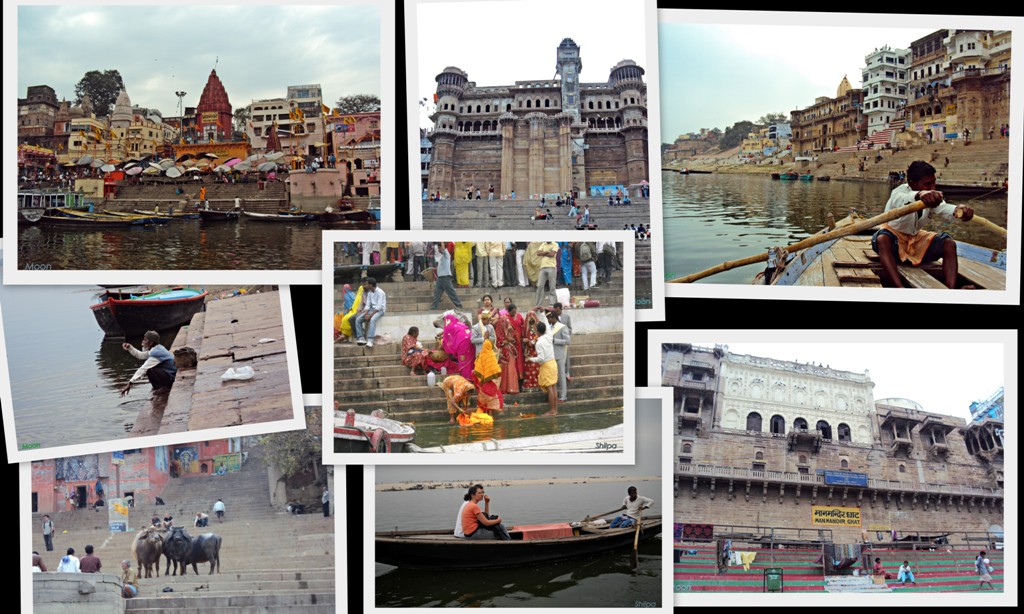
As the boat floated along the ghats the boatman went on briefing the history of each ghat including the main Dasaswamedh, Rana Mahal, Assi, Harischandra, Manikarnika and more. He was a captivating story teller, I must admit. I was busy in observing various activities of the devotees and visitors along the ghats while listening to him. From Hindu family performing religious rites to visitors from foreign countries taking pictures to some other species (buffaloes actually … ;)) staring at us while grazing lazily on the bank – it was quite an assortment!

Varanasi, Ghats, Ganges, Banaras, Benares, Uttar Pradesh
Ghats in Varanasi

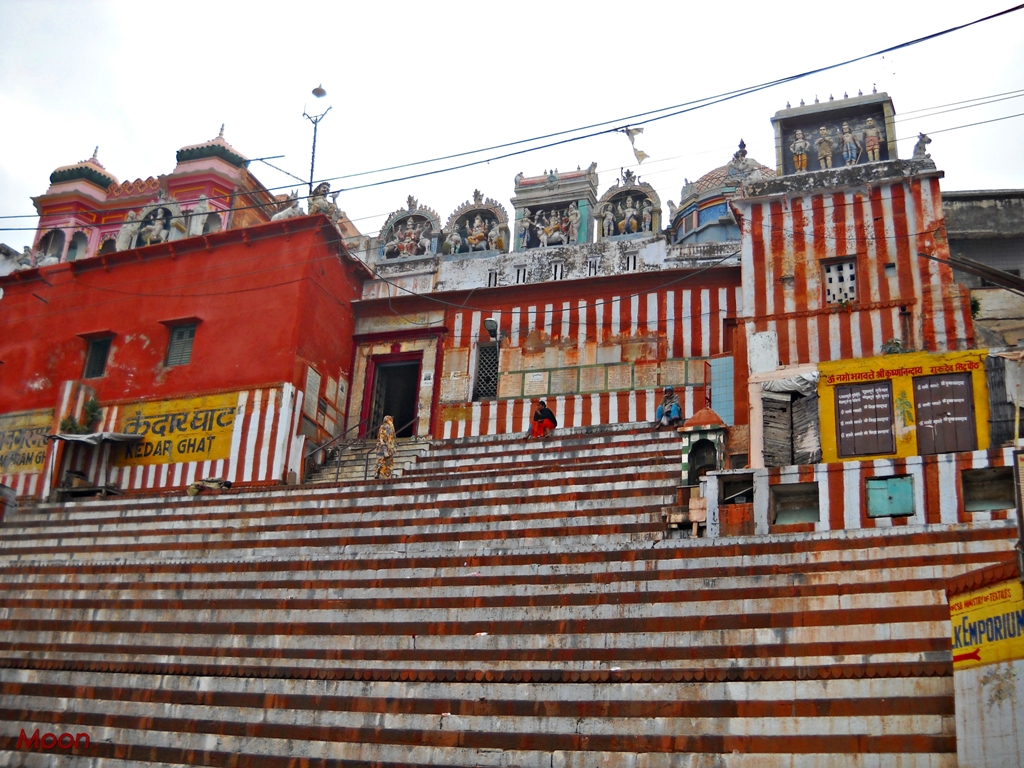
In the middle of our ride we stopped at Kedar Ghat only to shop banarasi saris… well…you know women! 😉 Not buying a Banarasi Silk sari while in Benares is next to impossible.

Kedar Ghat, Varanasi, Banaras, Ganges, Uttar Pradesh
Kedar Ghat, Varanasi

There are a number of sari shops and silk factories around. Many of the shop owners will claim that they will give you pure Banarasi silk saree at cheaper price…BEWARE! In the market you’ll find many ‘dalals’ (broker) coming up to you and try to convince you to buy from their establishment. Do not listen to them as you may end up with a bad deal in the end. However, we shopped till we dropped… lol… and started back towards the main ghat. The sun was nearing the horizon and the ‘aarti’ was about to begin.

Dusk, Ganges, Ghats, Varanasi, Uttar Pradesh
Dusk falling over the Ganges, Varanasi

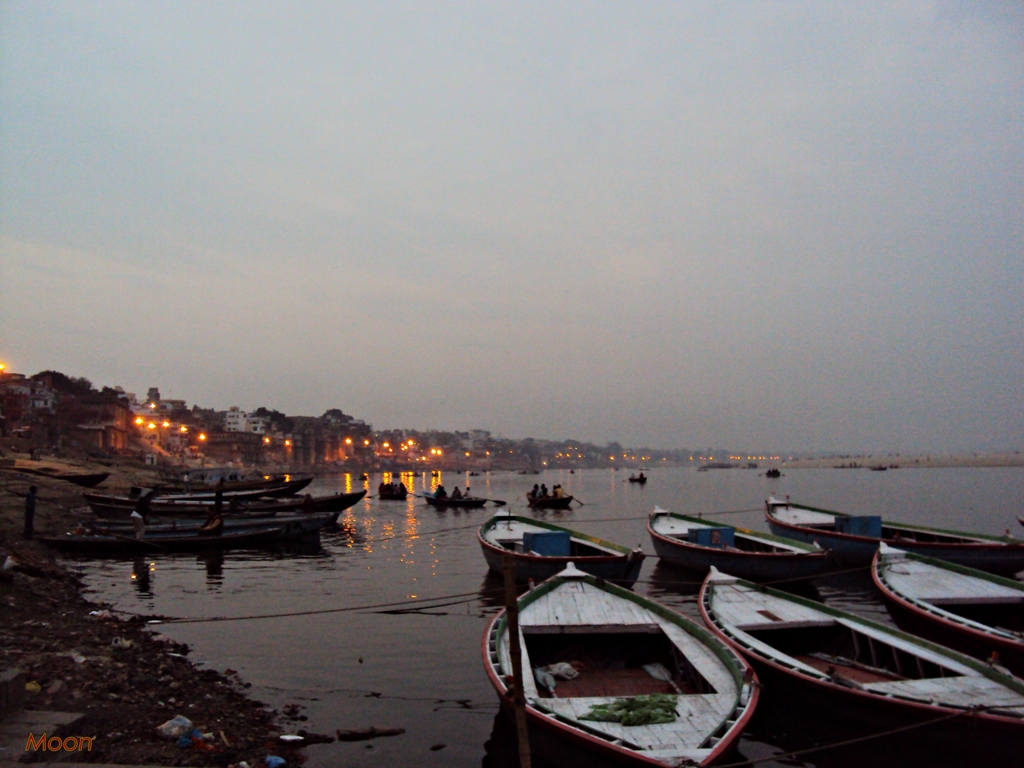
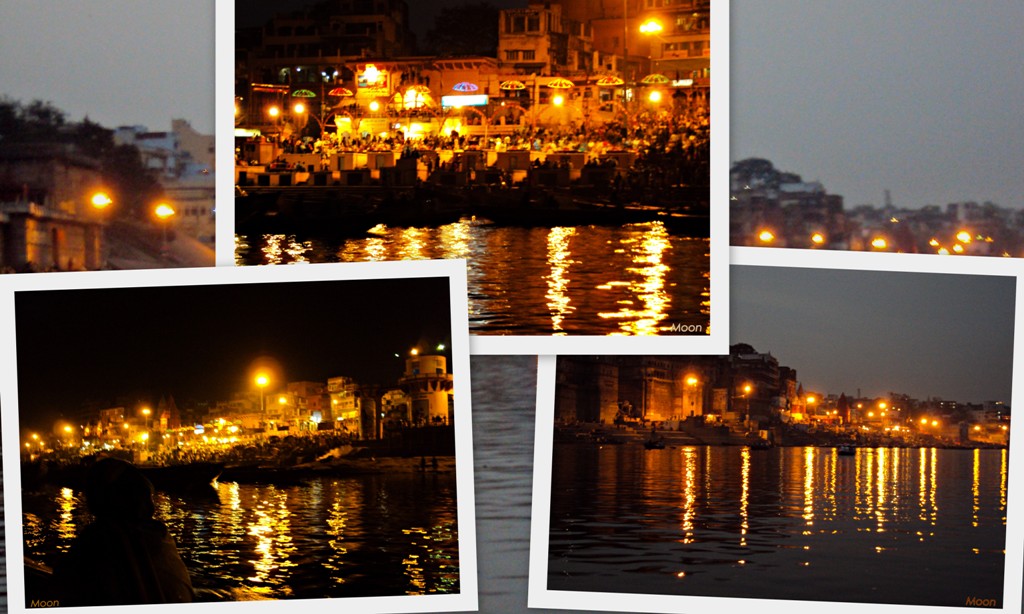
It’s a wonderful experience to watch dusk falling over the city and lights coming out one by one along the riverbank. We found the ‘aarti’ already started as we reached the Dasaswamedh Ghat. It was one of a kind experience to watch the ‘aarti’ from the boat. I saw clergymen clad in saffron stood up in a row and chanted hymns together while waving lighted ‘diya’s (indigenous lamp used in religious rites) towards the holy river. The ghat was flooded with the light of bright golden flames… beautiful!

Aarti, Dasaswamedh Ghat, Ganges, Varanasi, Uttar Pradesh
Evening aarti at Dasaswamedh Ghat, Ganges, Varanasi

Slowly we passed the main ghat and headed towards Chowsatti Ghat. The boatman dropped us right in front of our guest house.

My first day in Varanasi was quite eventful.


continued… Part II: Sightseeing in Varanasi

Durga Puja 2010: Kolkata Dazzled in the Light of Festivity

durga puja 2010

It was almost a decade that I had kept myself away from the light of festivities during the Puja. I rather enjoyed spending the four days of the festival with my family and extended family at the quiet of home. But Durga Puja in 2010 has been different, perhaps 20 and 10 both are my favorite numbers and lucky for me too! 🙂

durga puja 2010
Amader parar thakur (Durga idol in our neighborhood)

This year I decided to get out and explore the Puja pandals, as many as possible. And what I found out is a dazzling Kolkata, all the more beautiful during the Puja days. The atmosphere has changed a lot. People are more mannered, crowd is more manageable, music is somber and tasteful and the designs and décor of puja pandals bear the mark of artistry and excellence with theme–based Pujas, far from the conventional decoration and mikes and sounds systems here and there blaring out cheap peppy songs all through the day in our childhood.

durga puja 2010

However, ‘puja’ today is not limited to its literal meaning, ‘worship’. It has expanded to include the idol of the goddess, the design and decoration of the pandals and the ambiance to win an award. Some Puja committees dedicated their pujas in the memory of Tagore, the great poet, whose 150th birth anniversary is being celebrated across the state this year.

durga puja 2010

I have perceived the prevalence of glitz and glamour in every nook and corner with the complete commercialization of one of the biggest festivals of India and the most coveted one in Bengal.

durga puja 2010 lighting

From sponsored hoarding displaying puja greetings to contests for the best dressed or beauty to awards for the best pujas in the city the reflection of commercialization seen everywhere. What I did not like is that ice creams, drinks and bottles of mineral water were being sold at Rs. 2 to Rs. 3 higher than their MRPs at various stalls given by some of the leading brands. Also the over-enthusiasm regarding theme-orientation has played a spoil sport for some the pujas in Kolkata, especially when it comes to making idol of the goddess.

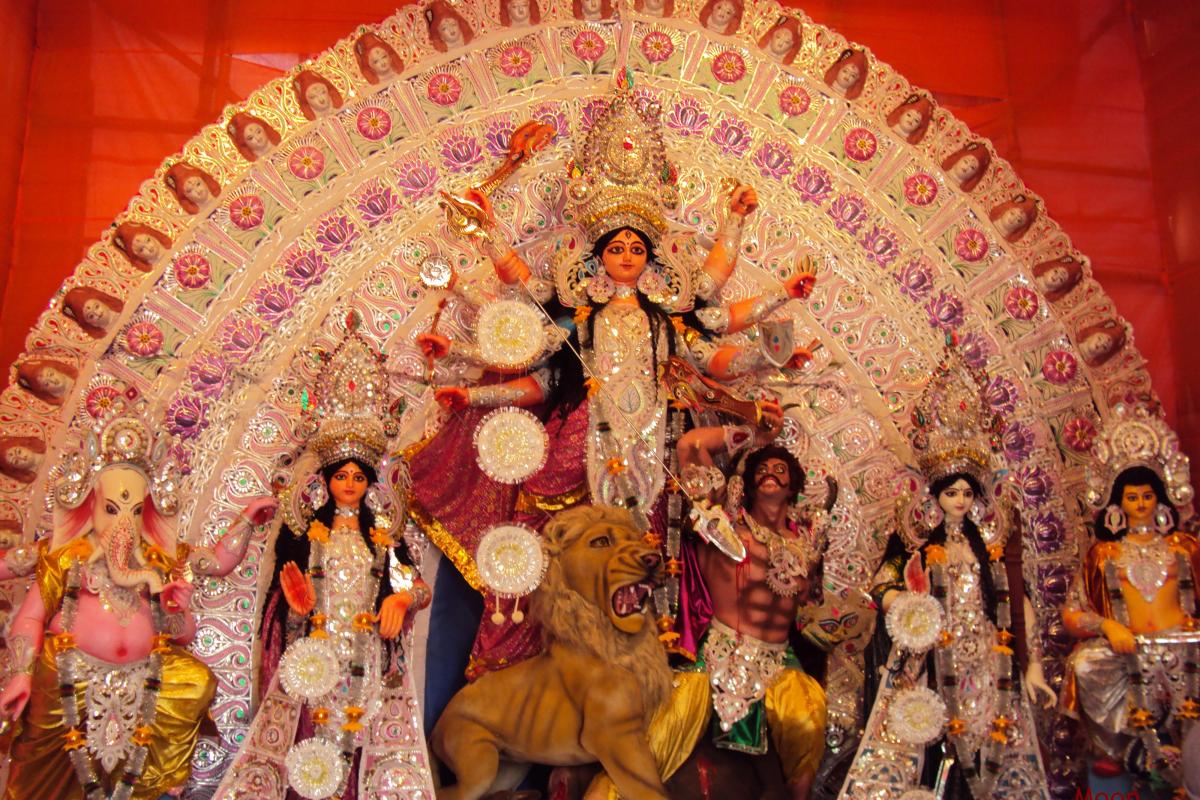
durga puja 2010 idols

Well… this is my personal opinion after visiting some of the well-known pujas across the city. There was also that perpetual, tiring and irritating traffic jam due to pandal constructions along the roadside.

dhak, durga puja 2010

Still, with all the negativities and flaws Durga Puja in Kolkata rocked again. Even heavy rain in the afternoons of Maha Saptami and Maha Ashtami couldn’t dampen the spirit of the metropolis, for we have waited for it one l-o-n-g year! Tonight is the last of the Durga Puja – the idol has been carried out of the pandal and ready to be taken to the Ganges for immersion.  Bijoya greetings have already started flowing into my message inbox, reminding me that festivity never ends, it just keeps us waiting for another year ahead. Shubho Bijoya!

A Day out in the Alley of Potters called Kumartuli

Idol making in Kumartuli, Kolkata

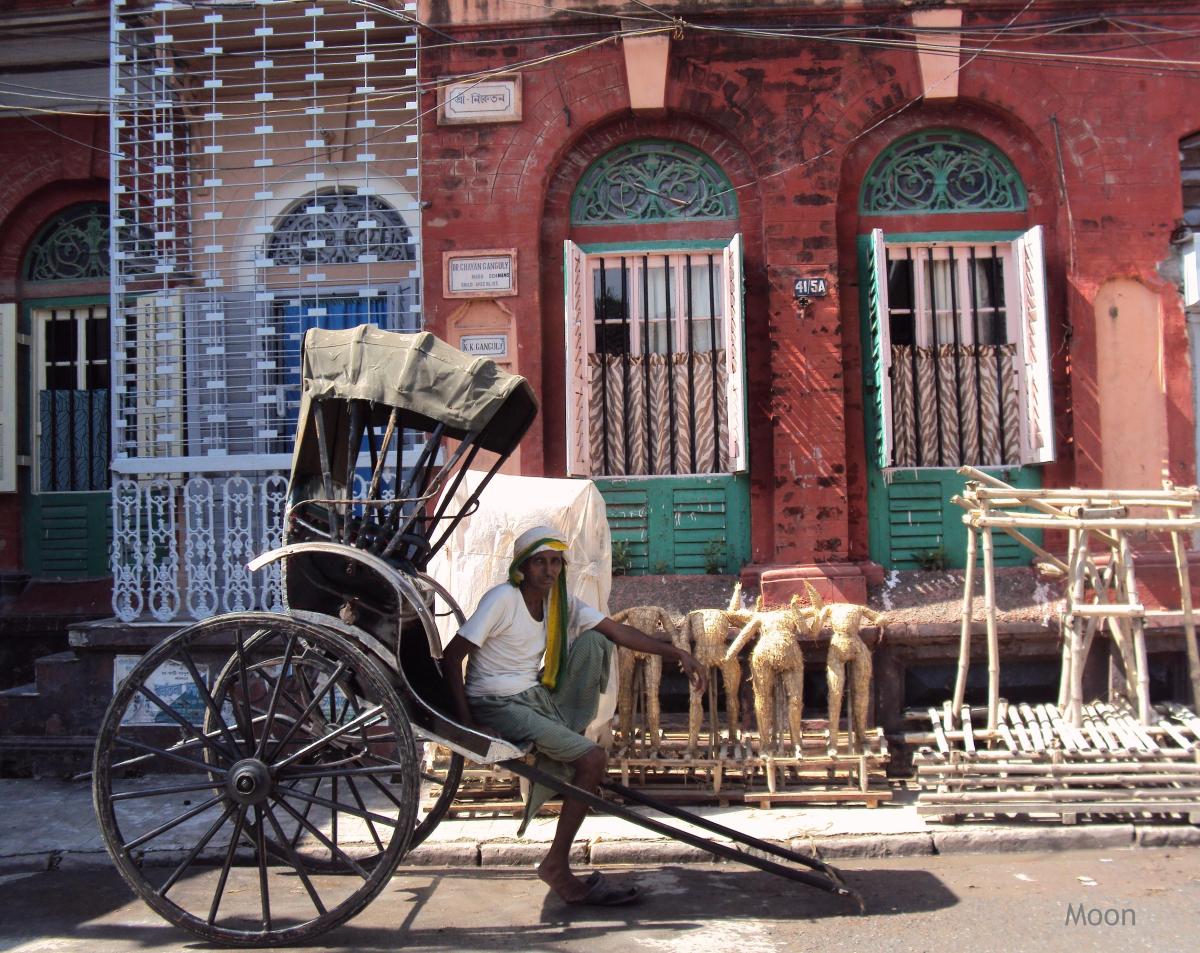
Narrow lanes, hand-pulled rickshaws, tram lines and red-brick houses with louvre windows – yes … I am talking about a typical North Kolkata neighborhood.

kolkata, north kolkata streets
North Kolkata Streets

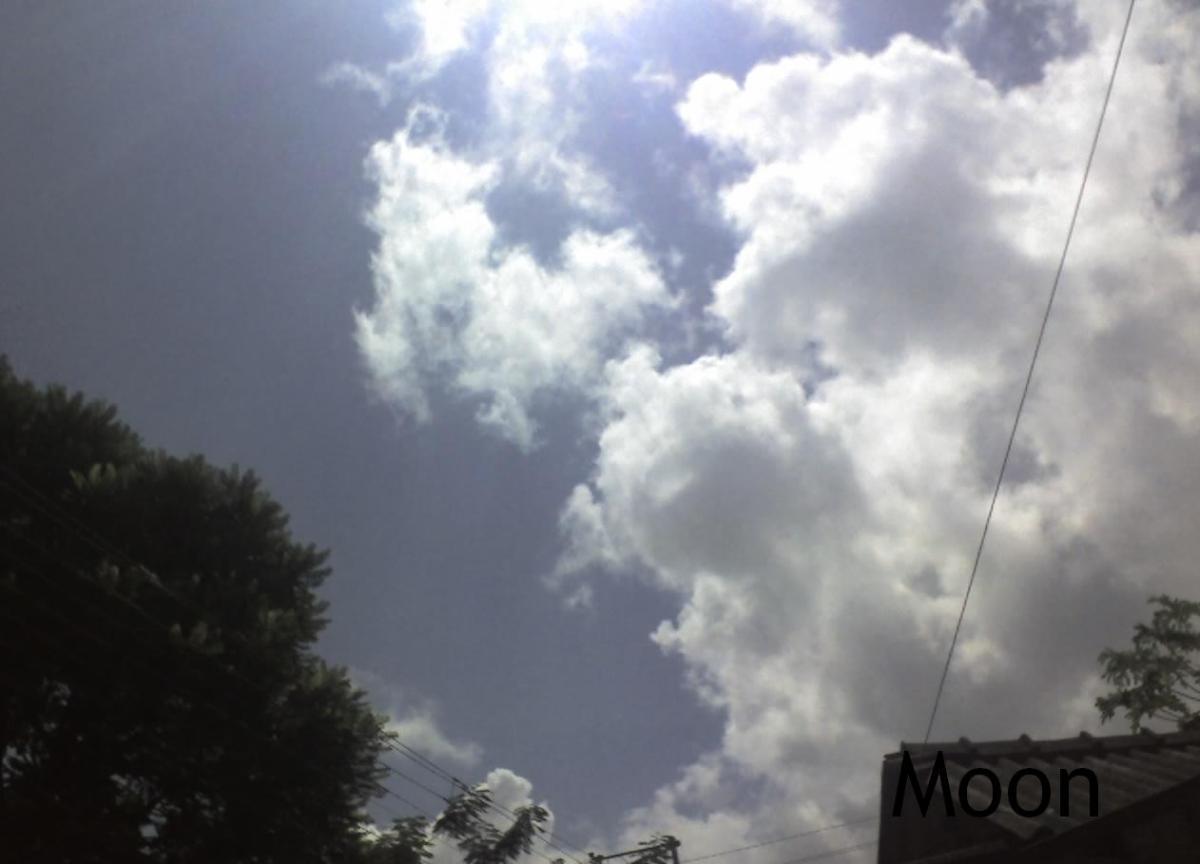
It’s that time of the year again, with Durga puja round the corner, we (Deblina and I) planned to explore Kumartuli, one of the cultural precincts of Kolkata. It was a Friday morning that we headed towards Kumartuli. From Shobhabazar-Sutanati metro station we took a rickshaw to Kumartuli, where clay sculptors were busy in making idols. Bright sunshine on my shoulders and the deep blue sky above were telling that autumn is on the threshold and with only one month left for the Pujas idol making would be in full swing.

Autumn sky
Sunshine in my eyes…

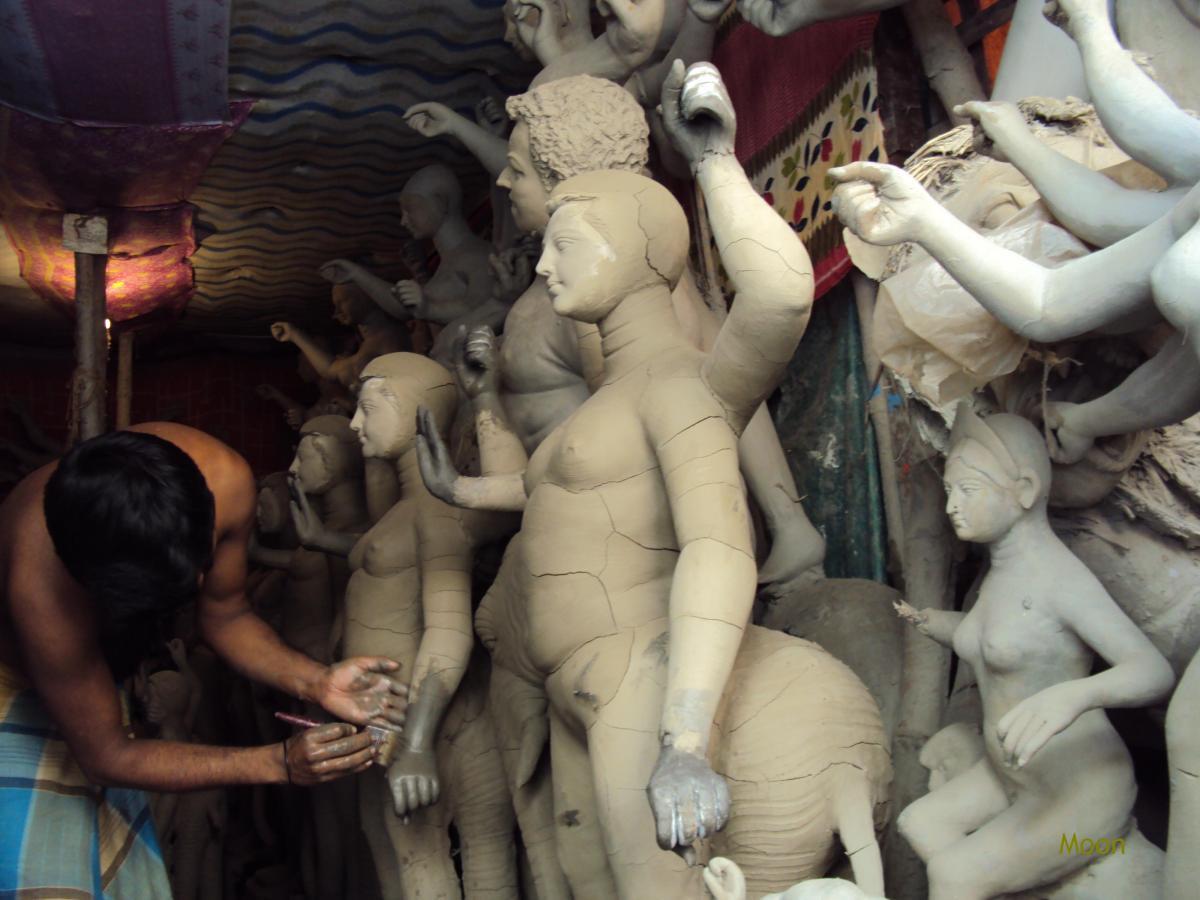
It was my long cherished desire to visit Kumartuli, the alley of the potters, where gods and goddesses are born (read created) in the skilled hands of mud sculptors who are in the profession of clay idol making for several generations.

Idol making in Kumartuli, Kolkata
Idol making is in full swing.

Well, coming back to where we started our journey. We had to take a hand-pulled rickshaw. As soon as I boarded the rickshaw childhood memories thronged my mind. Such rickshaws were aplenty on the roads of Kolkata those days.  We used to ride rickshaws often, especially in the evenings while returning home after a shopping or a visit to some relative’s place. The rickshaw puller is almost running pulling the rickshaw, and the sound of the bells hanging in his hand … ting ling ting ling (this bell worked like horns) and a small lantern hanging at the back of the rickshaw, just like the rear light of a car – the images are still so vivid in my mind!

Hand-pulled rickshaw in Kolkata
Hand-pulled rickshaw in North Kolkata

However, with the comfort and ease I am trying to sketch the picture of hand-pulled rickshaws, right now, it was no that easy during the ride. I sat stiff and terrified, thinking all the time, what if the rickshaw puller loosens his grip and we’ll land up up-side down (LOL!). Finally, we reached our destination and I was relieved to get down from the rickshaw. 🙂

As we moved on down the lanes the brick walls and structures were like closing in on us. I have never seen such narrow lanes and by-lanes in my life. Much to my astonishment, artisans live in there, with their families and have set up their studios for pottery and idol making! Well… studio, not in its literal sense.

Studios at Kumartuli

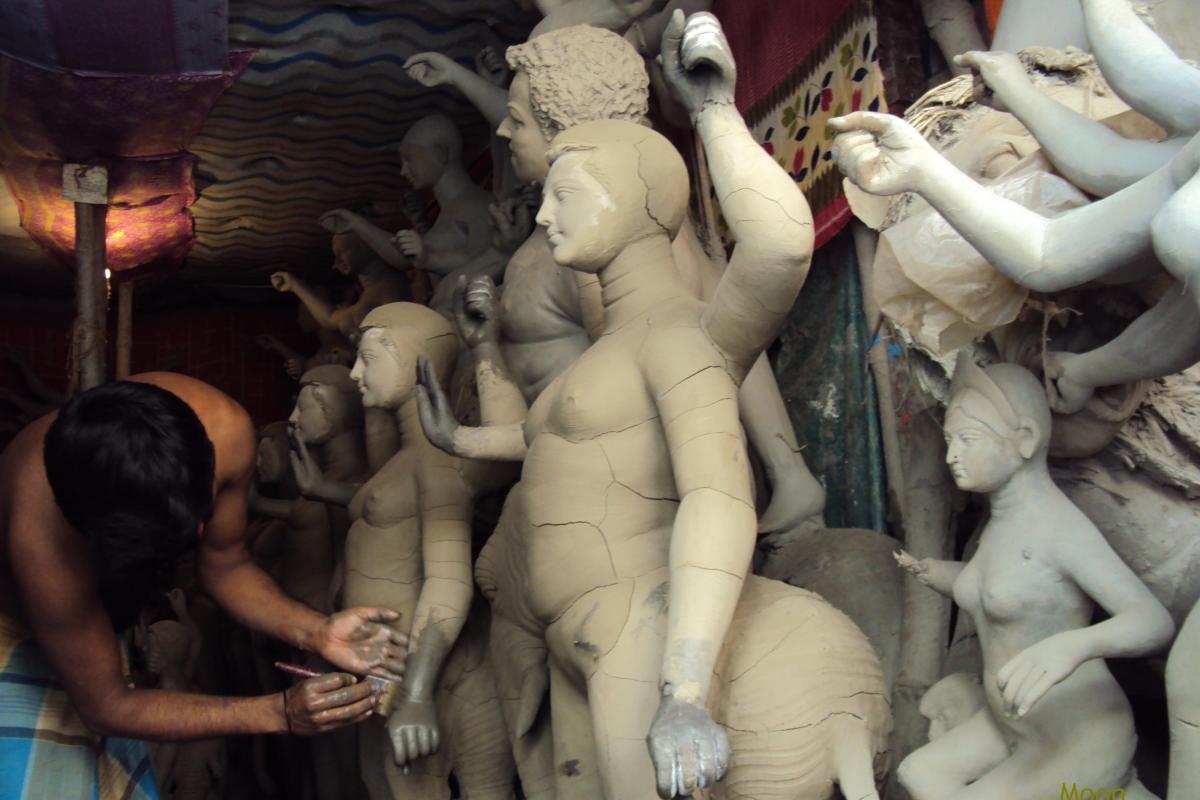
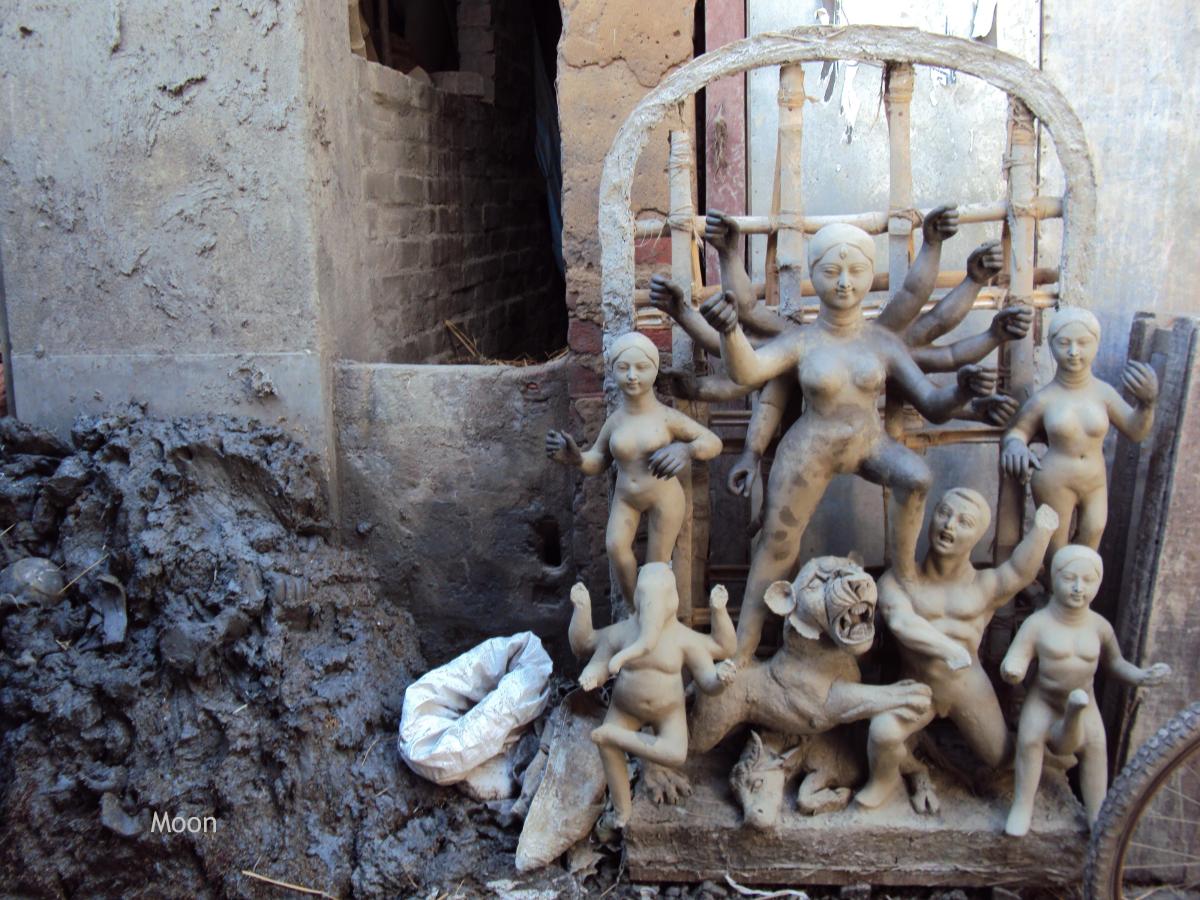
Their studios are far from what we think or have seen… with scarcity of space, no AC, no fans and small windows refusing the daylight to enter, artisans keep working all day and night during this season. As for equipment and materials, they have clay, straw, ropes (made from coconut fiber), bamboo sticks and two hands – two skillful hands that can transform the shapeless mound of clay into a beautiful and awe inspiring idol of goddess Durga.

clay sculpture
Transformation from mounds of clay to beautiful idol.
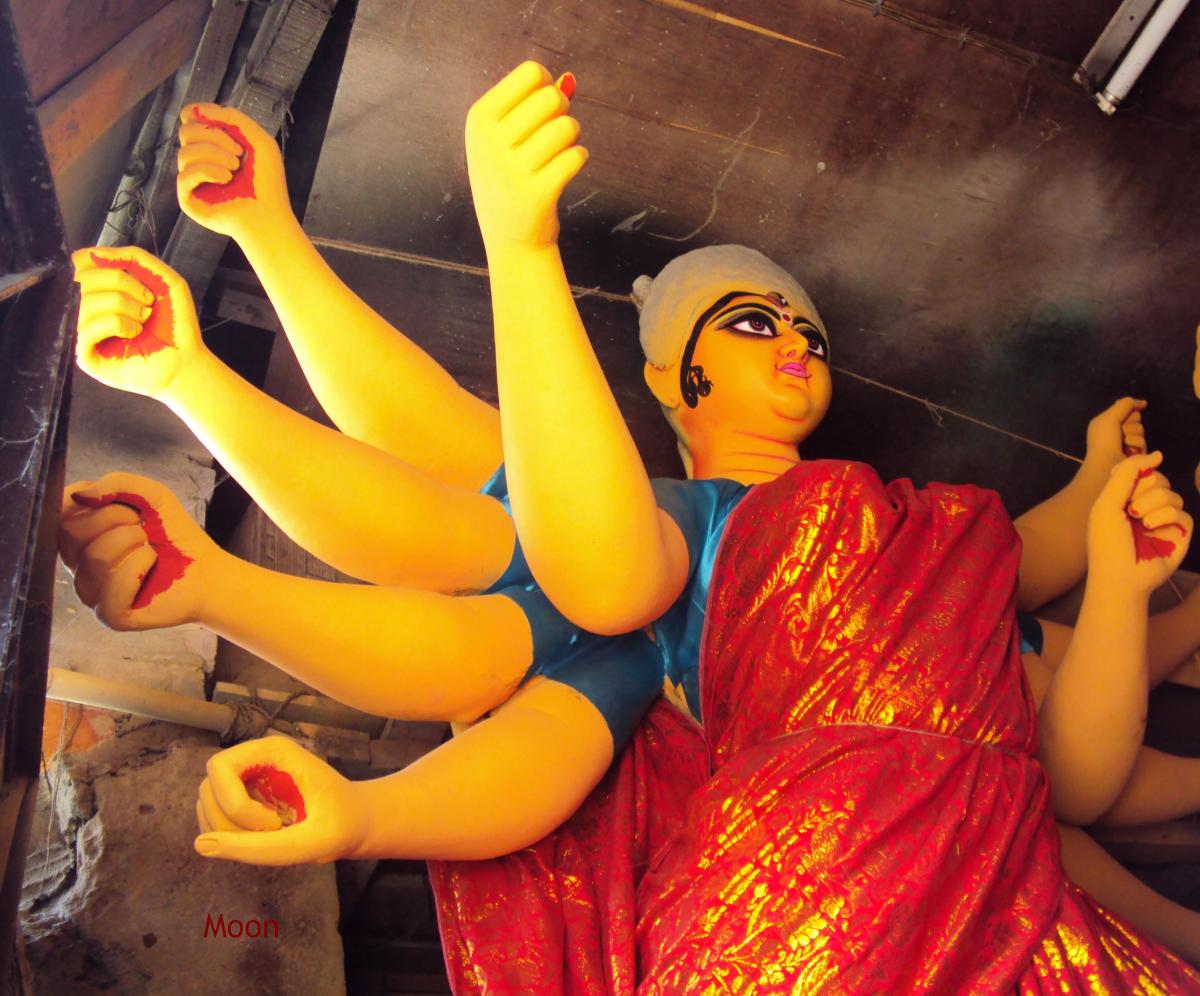
goddess Durga
Goddess Durga

Hats off to those artists whose talent will never be recognized… who will never get the chance to bathe in the light of success and recognition.

As we made our way down the alley I was amazed to see half-done idols with a variety of size and features … large, small, medium; with traditional wide-eyed face revealing anger, or with a soft compassionate look more like a simple, native Bengali beauty; posing like warrior against the demons or blessing like mother.

idols of goddess Durga

We had only a few hours in hand with so much to see. We could only explore a part of the entire area in one hour. Since it was a working day we had pending jobs to do at the office. We set out from Kumartuli, reluctantly. Just as we were walking along the street we saw a tram approaching, much to our delight and we instantly got on it. Sitting inside the tram I felt nostalgic. It has been a long time since I last enjoyed a tram ride.

tram
enjoying tram ride

Trams are rare to see on the roads of Kolkata nowadays. The thought that Kolkata will be losing its heritage one day pains a lot. The metro has transformed a lot with a number of lavish shopping plazas, bustling multiplexes, flyovers and BMW, Skoda and Chevrolet plying the city roads.

Slowly the tram reached the terminal at Bagbazar. From there we caught the bus to Kalikapur, where our office is located. As the bus was passing through Shyambazar crossing I caught a glimpse of the statue of ‘Netaji’,

Kolkata
Kolkata has transformed but the spirit remains the same

basking in the sun, amidst a number of enormous hoardings and signboards trying to cover up the skyline, the bamboo structures for pandals on the roadside, posters of political rallies and the same zeal and enthusiasm for the Pujas reminded me, ‘Kolkata ache Kolkatatei” (The spirit of Kolkata still remains the same)!

Waiting Never Seemed So Exciting and Fun!

MajesticMisty… and sometimes Mysterious – that’s what mountain is to me.

Majestic, because of its greatness.

Misty, because of smoky clouds hovering over it.

Mysterious, because you never know what’s in store in its every bend.

The thought of exploring mountain vales simply excites me. And in India, it is none other than the Himalayas, which is synonymous to mountain.

Sikkim
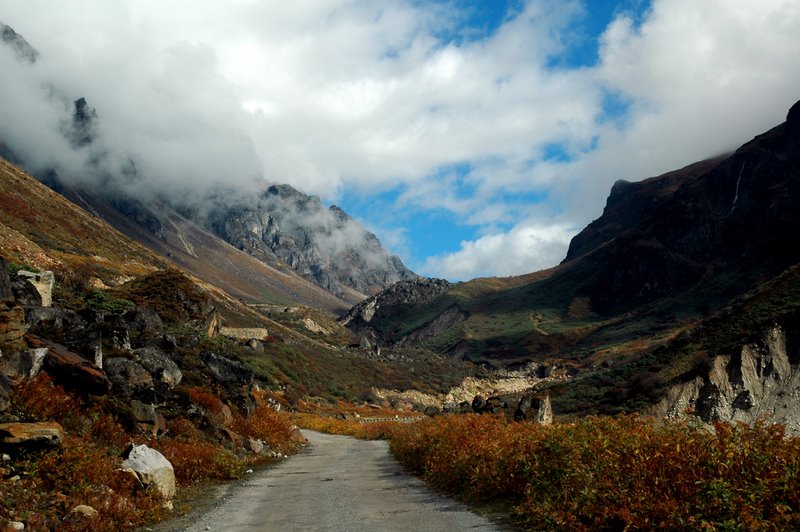
Sikkim Image courtesy: Sukanya Chakraborty

It has been quite a long time that I have last visited the hills. It was the Queen of Hills, Darjeeling where I had been once when I was in school. The memories of the hill town are still vivid. Now I am a working woman who got busy with her 9 to 6 job. And in the monotony of everyday’s routine my mind often seeks escape from the bleak surrounding of concrete jungle. My eyes are thirsty for a glimpse of the mountain with its snow capped peaks turned golden in the soft morning sun; green slopes brightened with blooming rhododendron and rippling streams running down the picturesque valley.

Well, I am lucky to have found friends who think the same way as I do. What we needed was to sit together and decide where to go and when, because ‘leave’ is a very important factor especially for professionals working in private sector. Our timings had to match. Finally, ‘Sikkim’ was the unanimous choice. We settled with a beautiful place called Namchi in Sikkim while it took quite a few days to finalize the time, which is end of September, this year.

The next few days went in searching for hotels and trains and booking tickets. Then we had a lot of discussion about packing … what to take and what not. The excitement of traveling to a new place is not new to me. But this time it is doubled as I have actively took part in booking hotels and trains which was my father’s department when we traveled together with family.

Now that we have finished with all of the initial arrangements the only thing that remains is the ‘wait’… wait for the day we are going to board the train for Sikkim…wait for the time we reach our destination, Namchi … wait for the moment we set foot on the hills, once again. Waiting never seemed so exhilarating, desirable and fun!