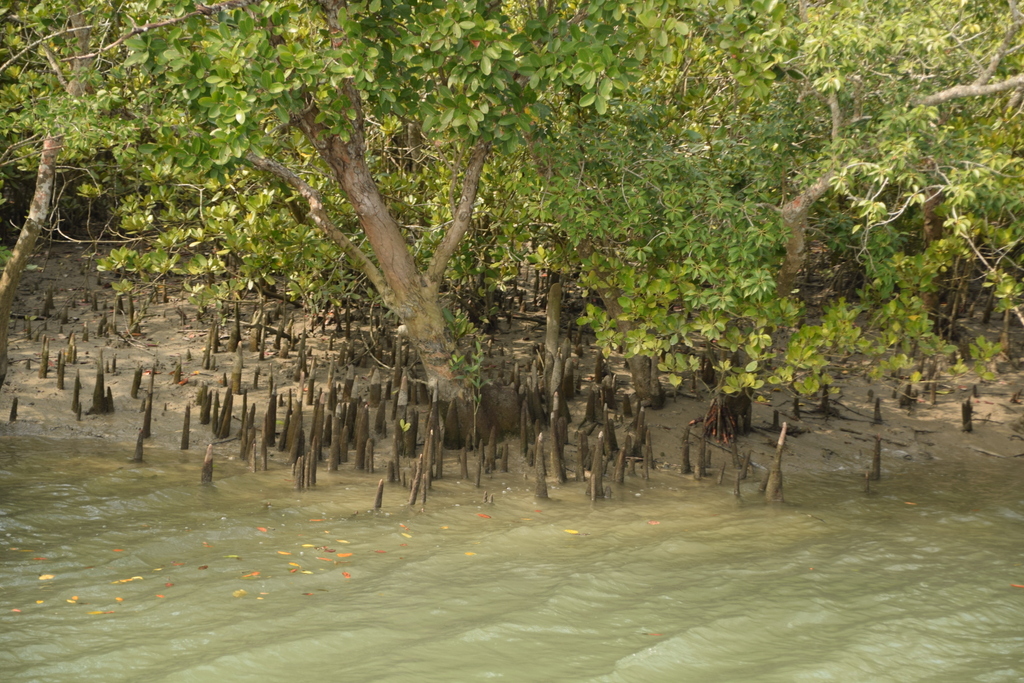
When the monsoon clouds cover the sky and rivers of Bengal brim with life, the much-awaited Hilsa fish makes its return. For Bengalis, Hilsa is far more than a delicacy—it is an emotion. And when this much-loved fish meets the magical setting of the Sundarbans, the result is something unforgettable—the Hilsa Festival Sundarban Tour. The festival blends culinary delight with the region’s raw beauty, creating a monsoon experience that lingers long after the journey ends.
A Festival of Food and Nature
Between June and September, Hilsa becomes the star of every Bengali kitchen. But in the Sundarbans, it becomes the centerpiece of a unique travel experience. Travelers enjoy dishes like Bhapa Ilish (Steamed Hilsa), soft and full of flavor.
Shorshe Ilish (Hilsa in mustard gravy), the dish every Bengali swears by. Ilish Fry, Ilish Biriyani, and more, each cooked fresh on the boat while sailing through rivers. It’s not just a meal, it’s a celebration of Bengal’s culture—eaten with the rhythm of rain on the river.
The Monsoon Vibe
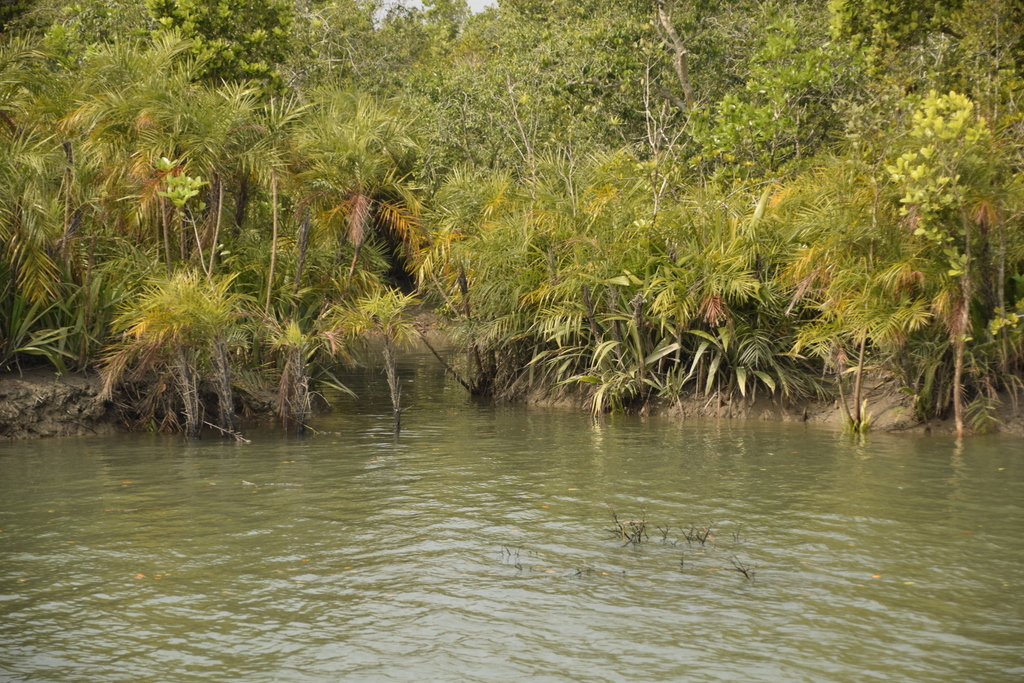
Monsoon in the Sundarbans is unlike any other season. The mangrove forest looks greener, the rivers are wide and full, and the air carries the fresh smell of rain. Traveling during this time feels adventurous:
Rain and River: Heavy showers outside while you enjoy fish and tea inside the boat.
Wildlife Moments: Deer walking along muddy banks, monkeys jumping on trees, crocodiles showing their heads, and the silent presence of the Royal Bengal Tiger hiding in the bushes.
Rare Atmosphere: Misty mornings, dramatic skies, and the sound of thunder echoing across the forest. The Sundarbans in the monsoon feel like nature in its purest form.
A Journey Through the Mangroves
A typical 3-Day-2-Night Hilsa Festival Tour gives the perfect mix of food, culture, and adventure.
Day 1 – Canning to Pakhiralay
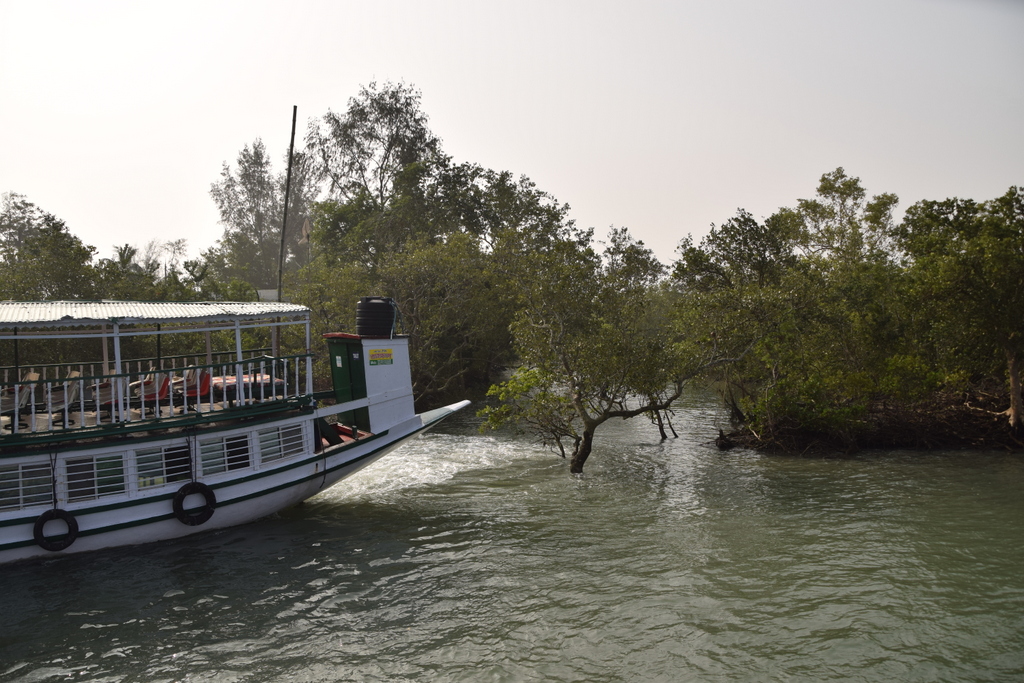
The journey starts from Canning, a small town near Kolkata. From here, travelers board boats and head towards the forest, passing Gosaba, where the historic Hamilton Bungalow and Beacon Bungalow still stand. By evening, guests reach Pakhiralay, check into hotels, and enjoy cultural programs like Baul songs and Jhumur dance. Dinner features the first Hilsa dishes of the trip.
Day 2 – Exploring the Forest
Morning begins with a boat ride to the famous watchtowers:
Sajnekhali, with a mangrove interpretation center.
Sudhanyakhali, a hotspot for tiger sightings.
Dobanki, known for its canopy walk.
Panchamukhani, the meeting point of five rivers.
Travelers enjoy Hilsa-based lunch on the boat while spotting kingfishers, herons, and sometimes even dolphins. The evening ends with another round of folk performances and storytelling about the forest goddess Bonbibi.
Day 3 – Temples and Farewell
The last day often includes visits to Banabibi Temple and Lokenath Temple. Guests enjoy one final Bengali meal before returning with unforgettable memories.
Why Food Lovers Shouldn’t Miss It
For food lovers, this tour is heaven. Imagine tasting Hilsa cooked in multiple styles while cruising through the world’s largest mangrove forest. Fresh fish, served with hot rice, against the backdrop of rivers and rain—this is an experience you can’t find anywhere else.
A Treat for Cultural Travelers
The Hilsa Festival is not only about food but also about celebrating Bengali culture. From local songs and dances to stories of the forest, every moment is wrapped in tradition. The festival brings together nature, food, and folklore—three strong pillars of Bengal’s identity.
For Wildlife and Photography Enthusiasts
Monsoon also offers a unique chance for wildlife enthusiasts and photographers. While the tiger remains elusive, the chances of spotting one are high during winter. But in monsoon, the forest offers countless frames—rain-drenched leaves, colorful birds, reptiles in their natural habitat, and rivers glowing under dramatic skies.
Pros and Cons of Monsoon Tours
Pros:
Fresh Hilsa fish is available everywhere.
The forest looks most beautiful in the rain.
Fewer crowds compared to winter.
Feels adventurous and different.
Cons:
Sudden showers can interrupt sightseeing.
Boats may sway during storms.
Some areas may remain closed for safety reasons.
Tip: Always carry umbrellas and raincoats.
Travel Routes and Highlights
Start from Kolkata or Canning.
Visit Gosaba, then sail towards Pakhiralay.
Explore Sajnekhali, Sudhanyakhali, Dobanki, and Panchamukhani.
Visit Banabibi Temple and Lokenath Temple before heading back.
This route gives a balanced taste of history, wildlife, and culture.
Sundarban Mondal Travels
If you’re looking for a safe, premium, yet affordable Sundarban tour package from Kolkata, Sundarban Mondal Travels is one of the best choices. They offer comfortable boats and hotels, freshly cooked authentic Hilsa meals, cultural programs with music and dance, and guided safaris with experienced locals.
They specialize in 3-Day-2-Night Sundarban Tours and the Hilsa Festival Sundarban Tour, making them the perfect travel partner for this adventure.
Final Thoughts
The Hilsa Festival in the Sundarbans is not just about food or travel—it is about living Bengal’s culture with all your senses. The taste of Hilsa, the sound of rain, the sight of mangroves, the call of wild animals, and the warmth of Bengali hospitality make it an unforgettable journey. For food lovers, cultural explorers, or wildlife enthusiasts, this is a chance to enjoy Bengal at its best.
Author Bio:
Ashis Sanfui leads Sundarban Mondal Travels with 10+ years of experience in Sundarban tours. As a content writer and SEO expert, Ashis and his team help travelers enjoy safe and memorable Sundarban trips with boat safaris, local food, and authentic Bengali hospitality.
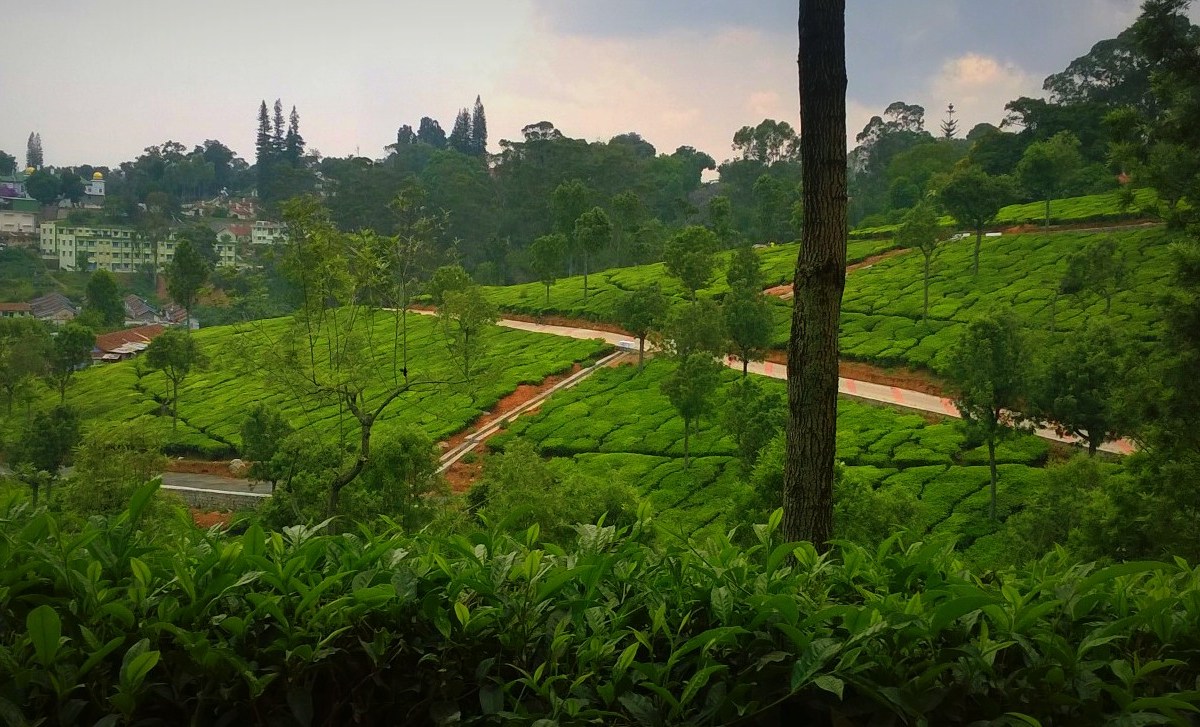

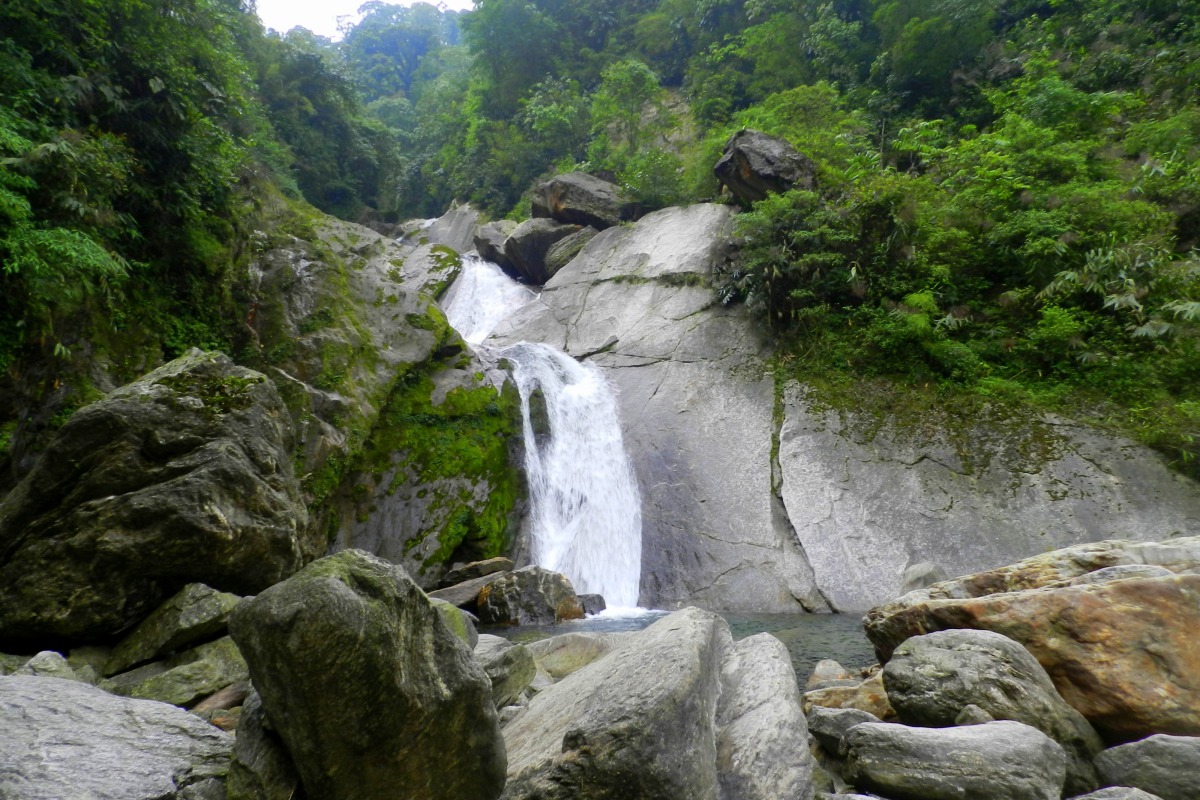
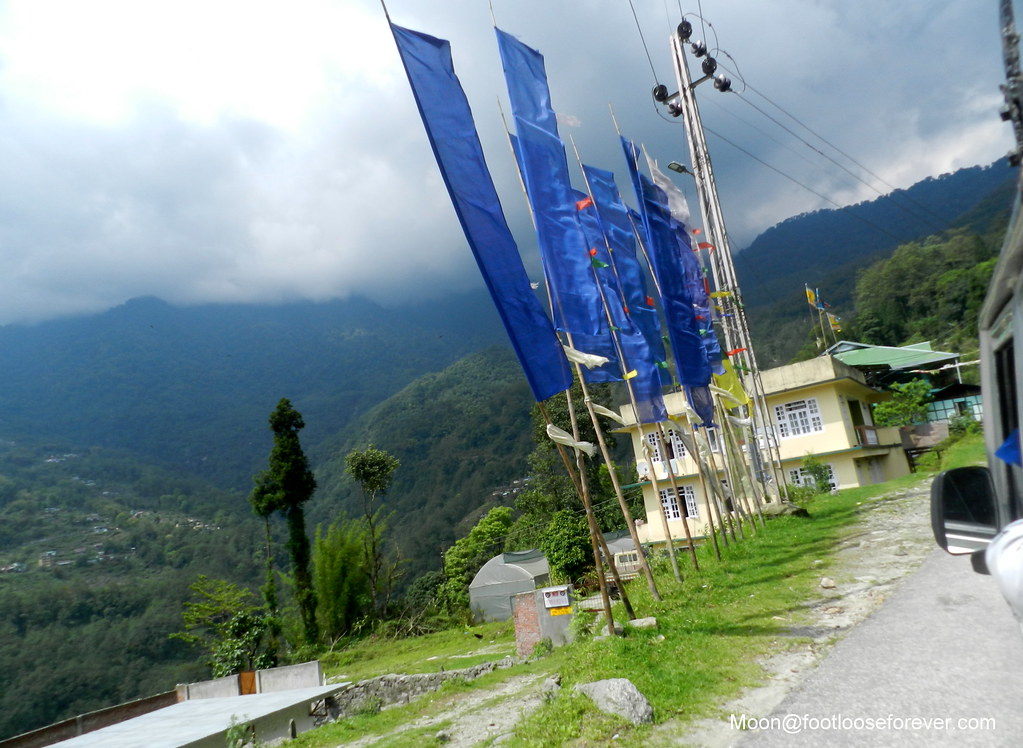
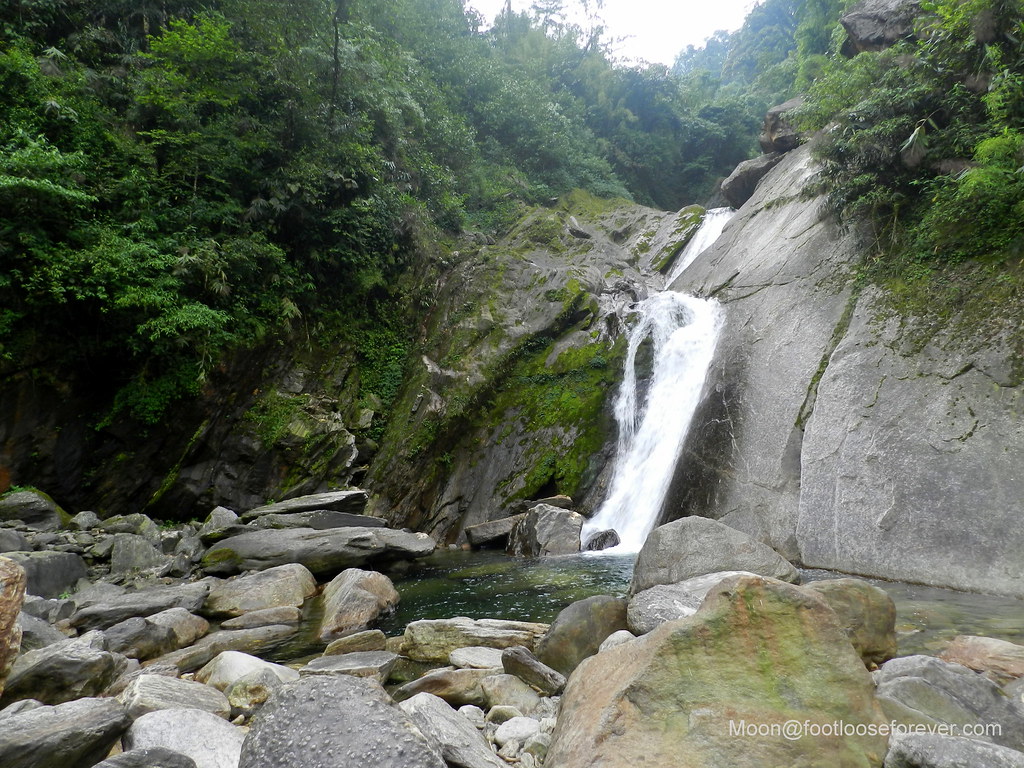
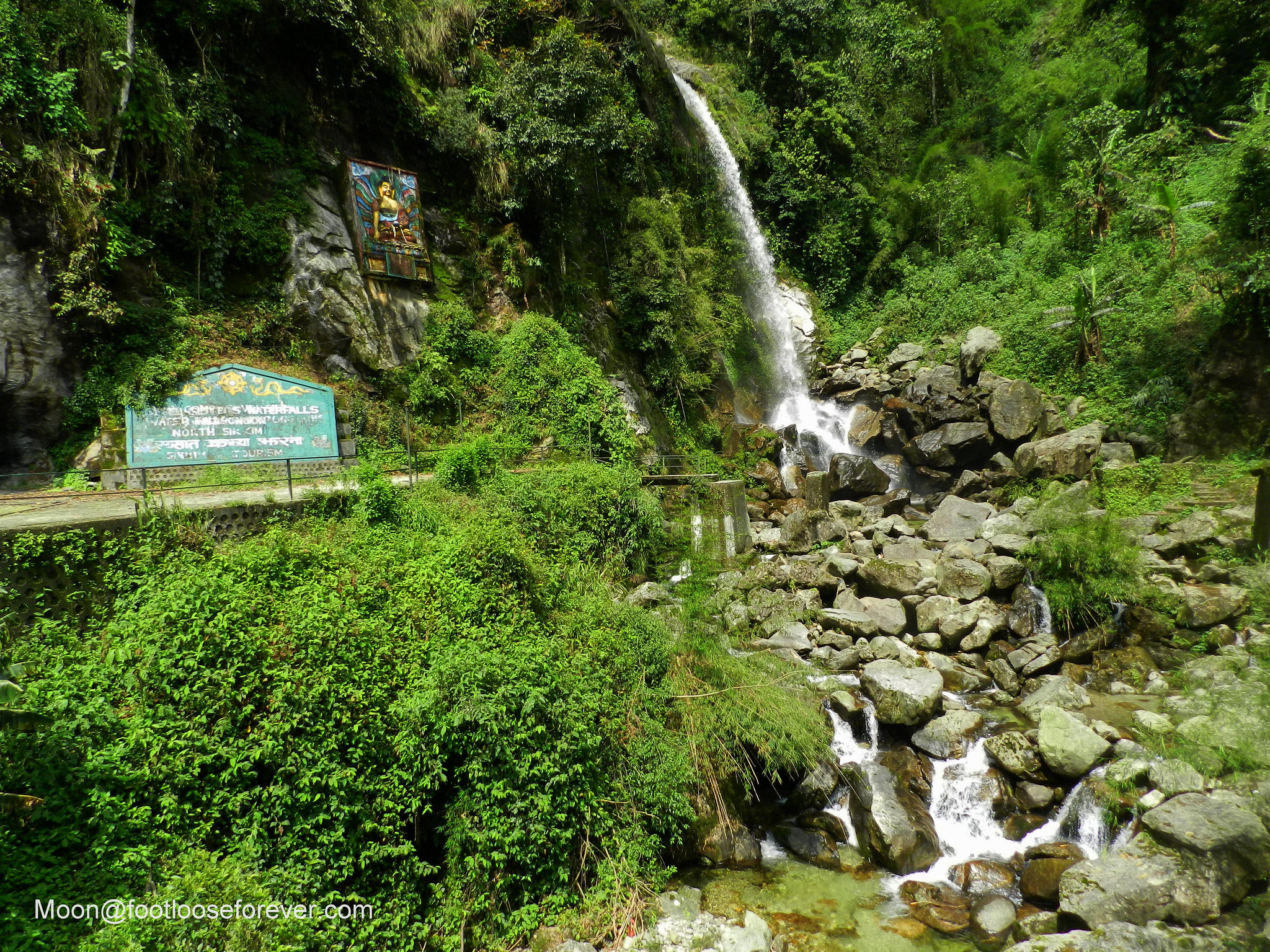
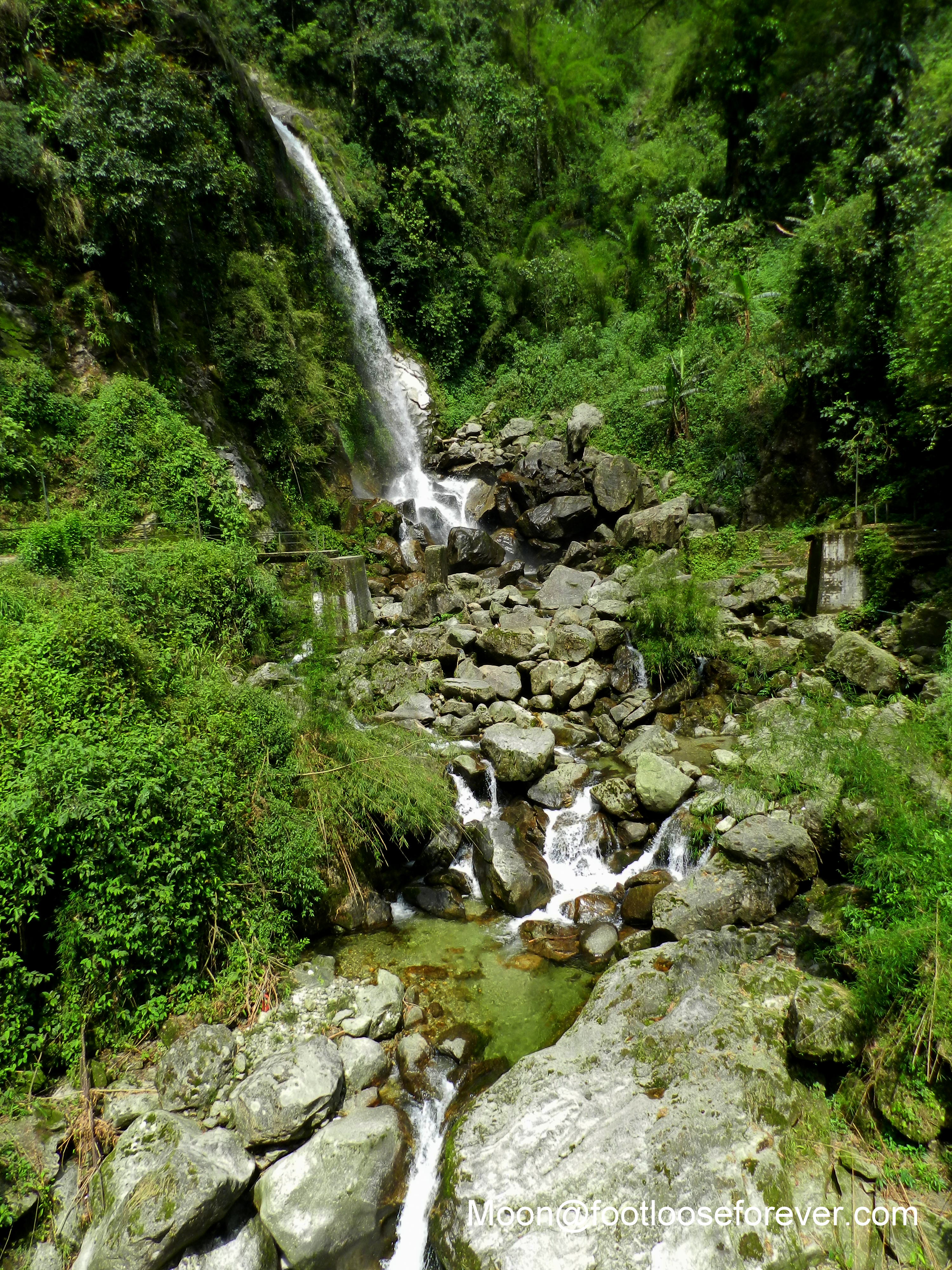
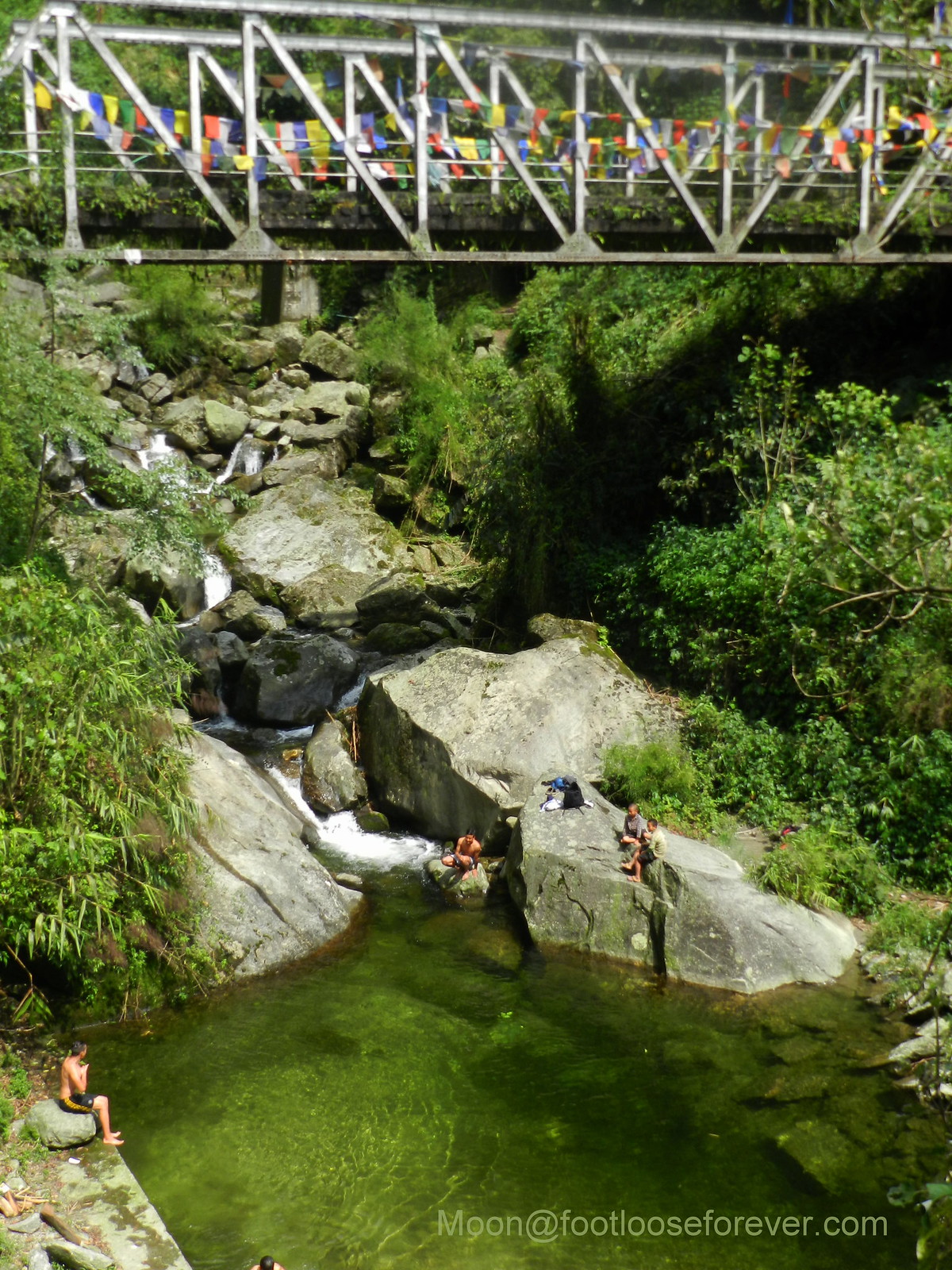
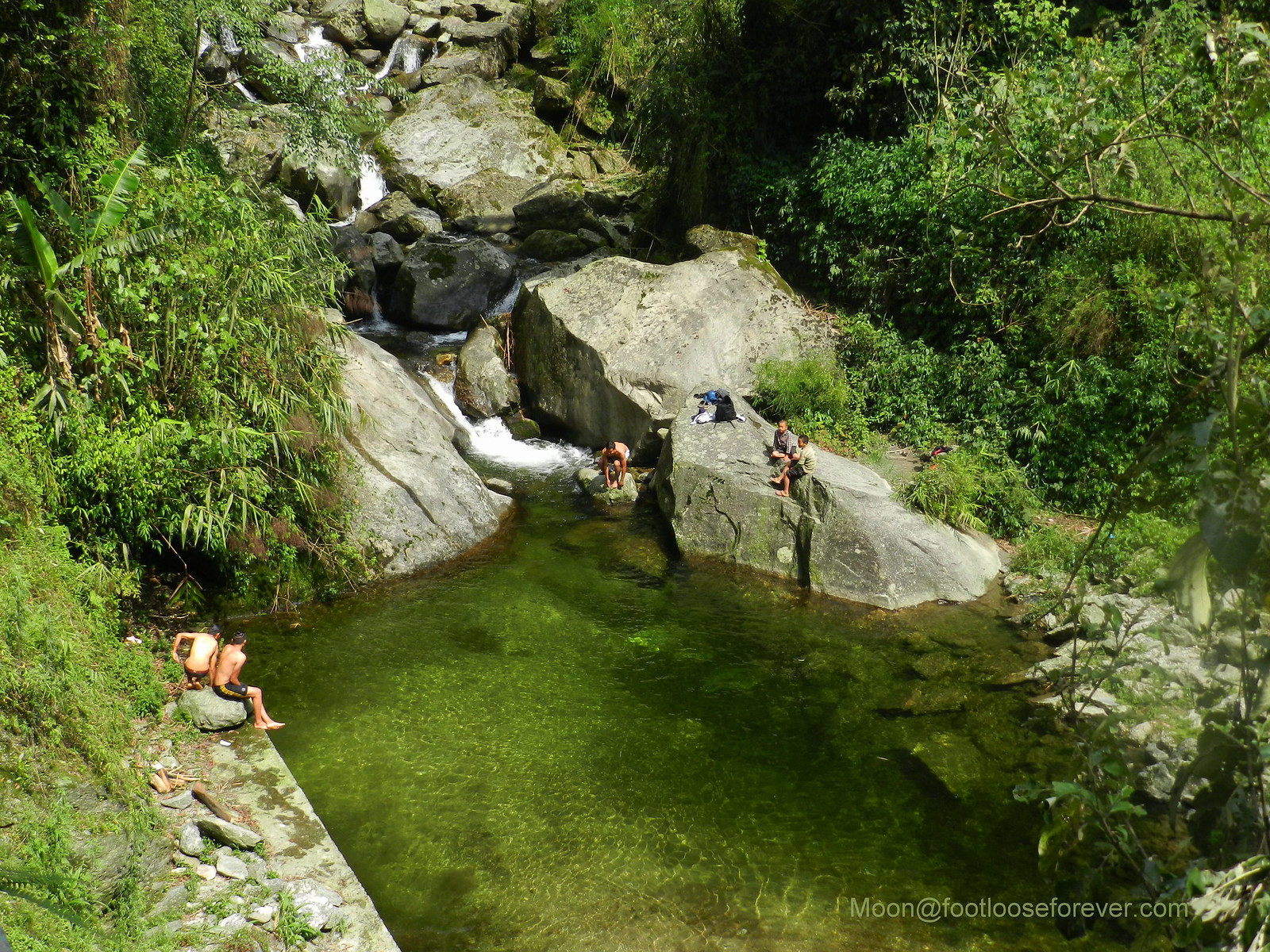
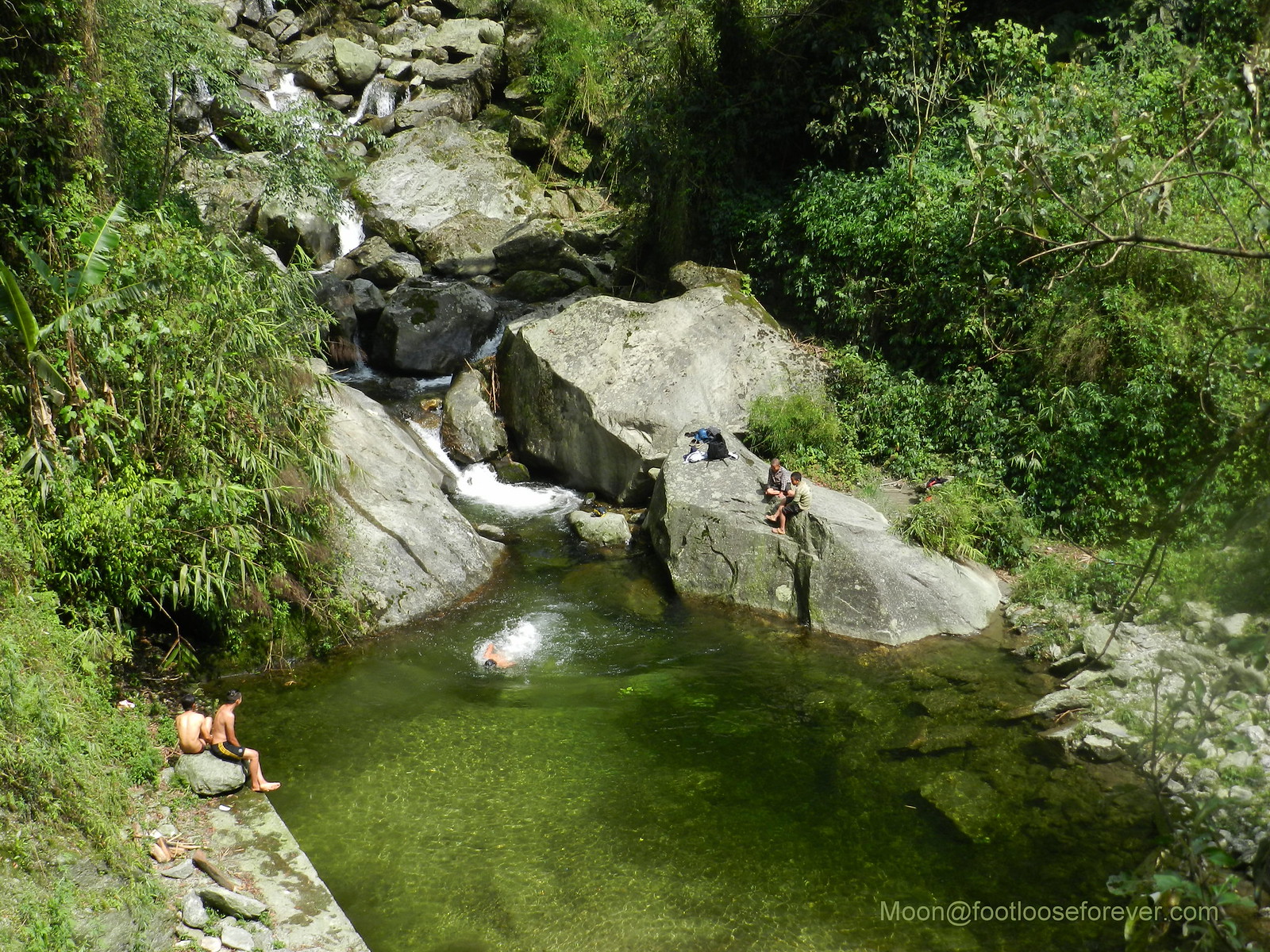
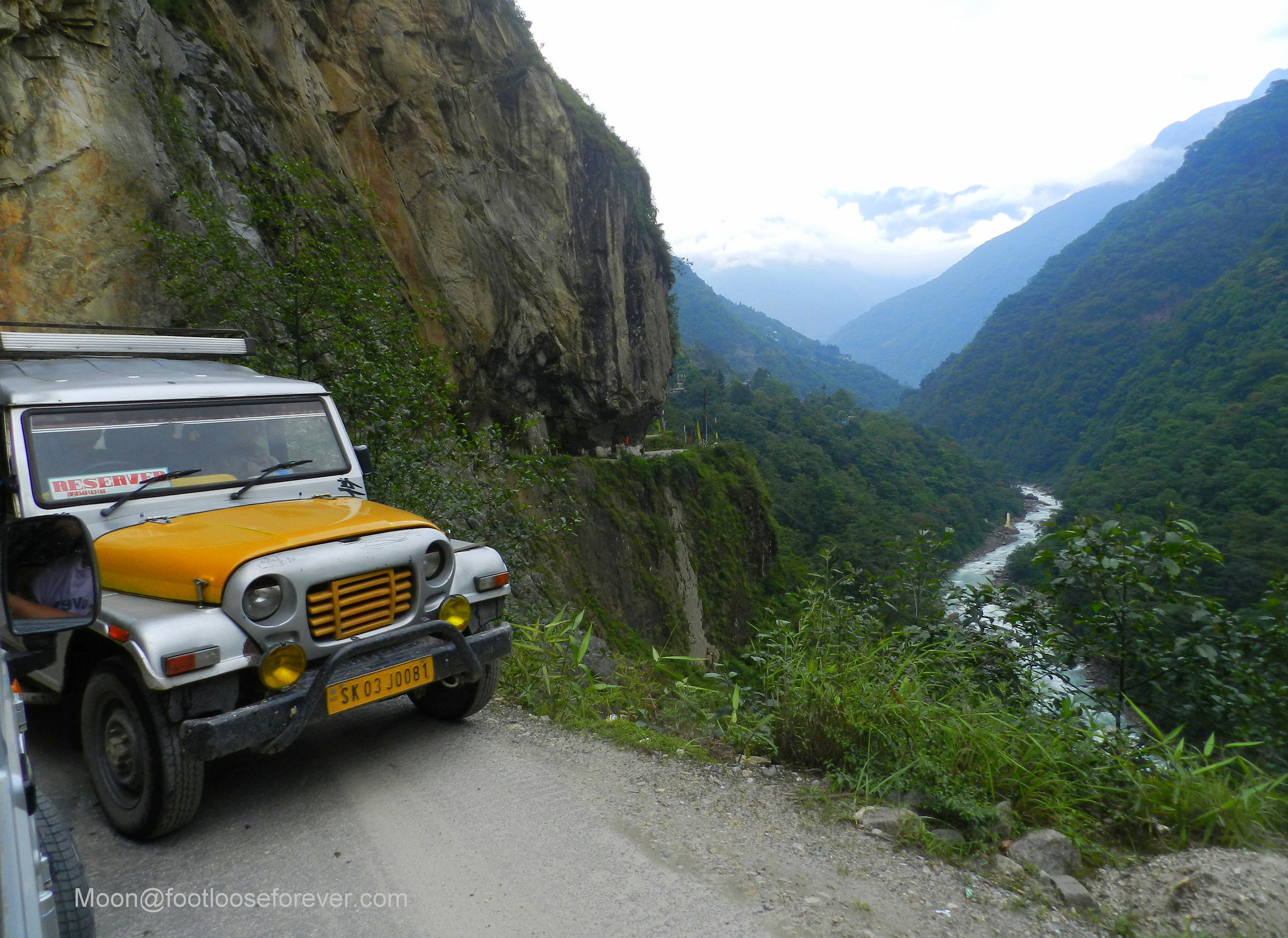
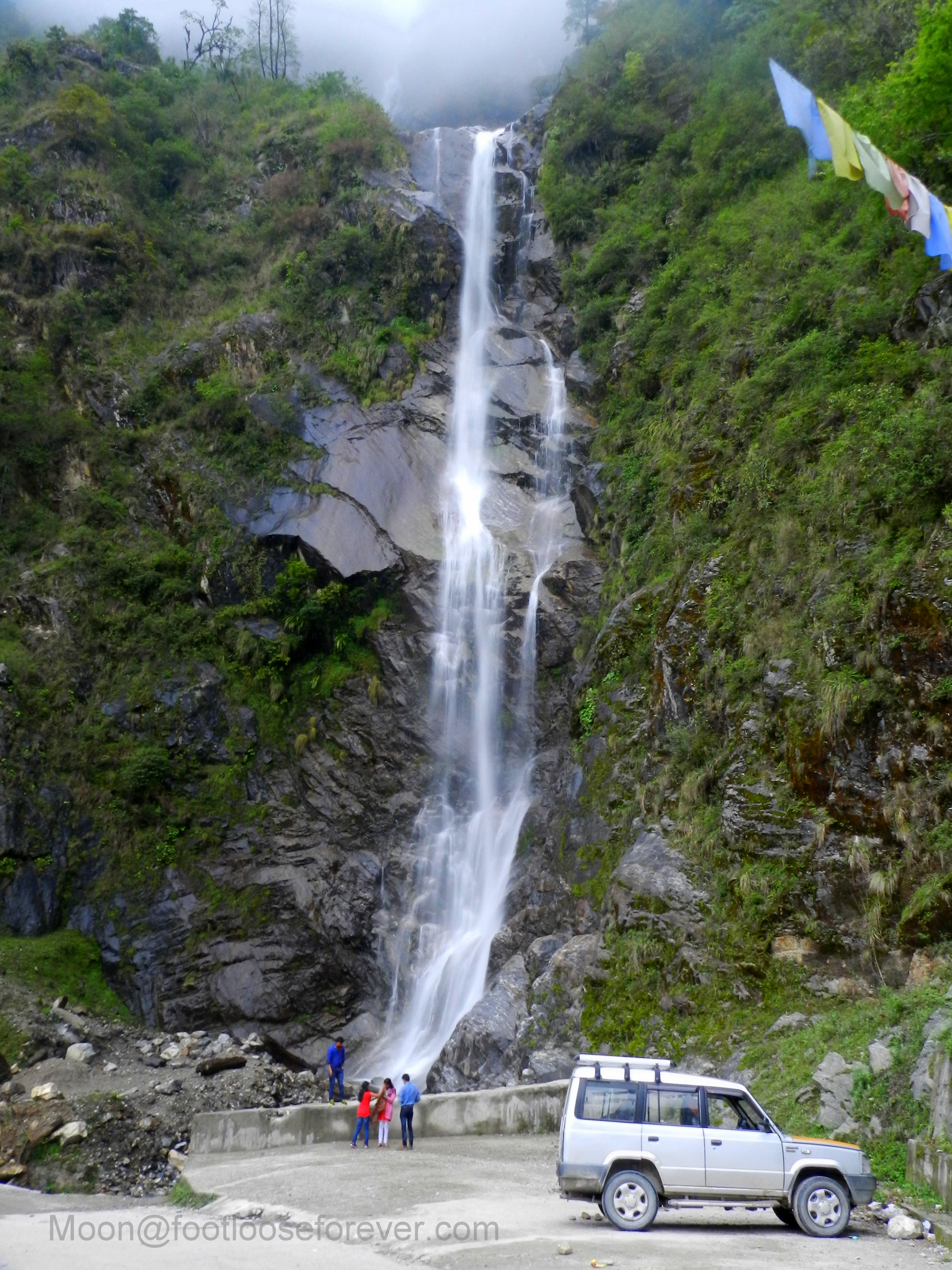
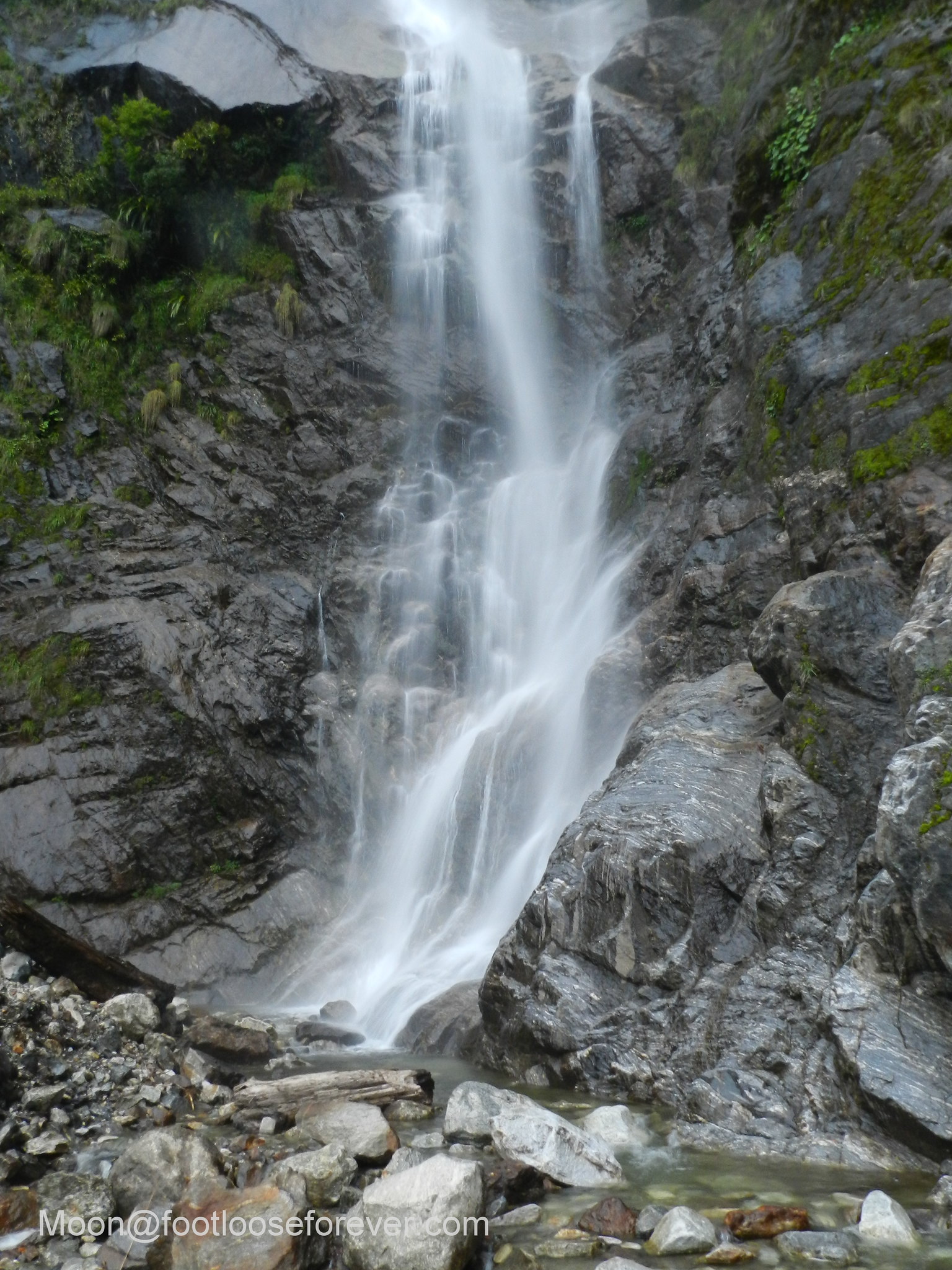
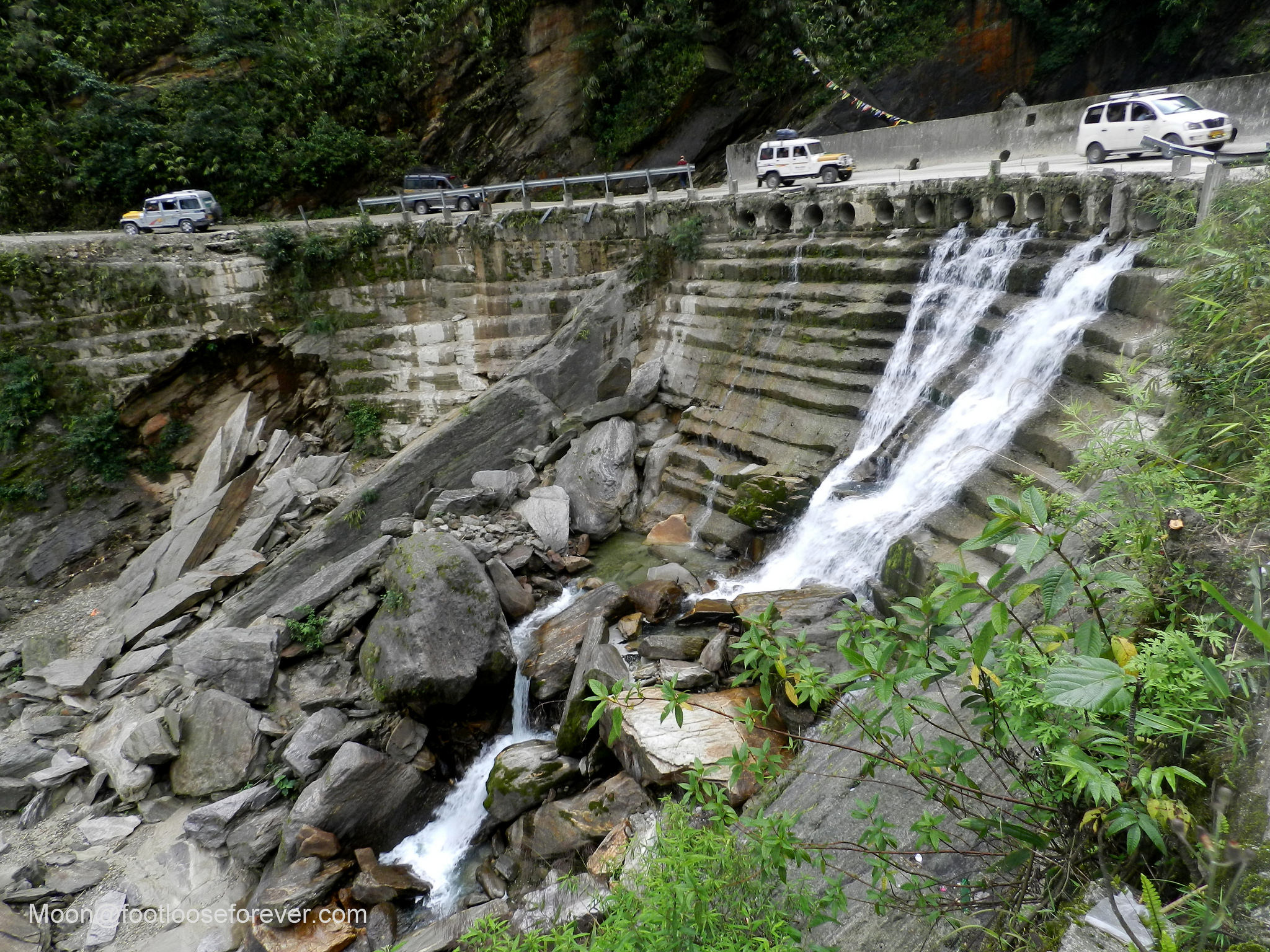
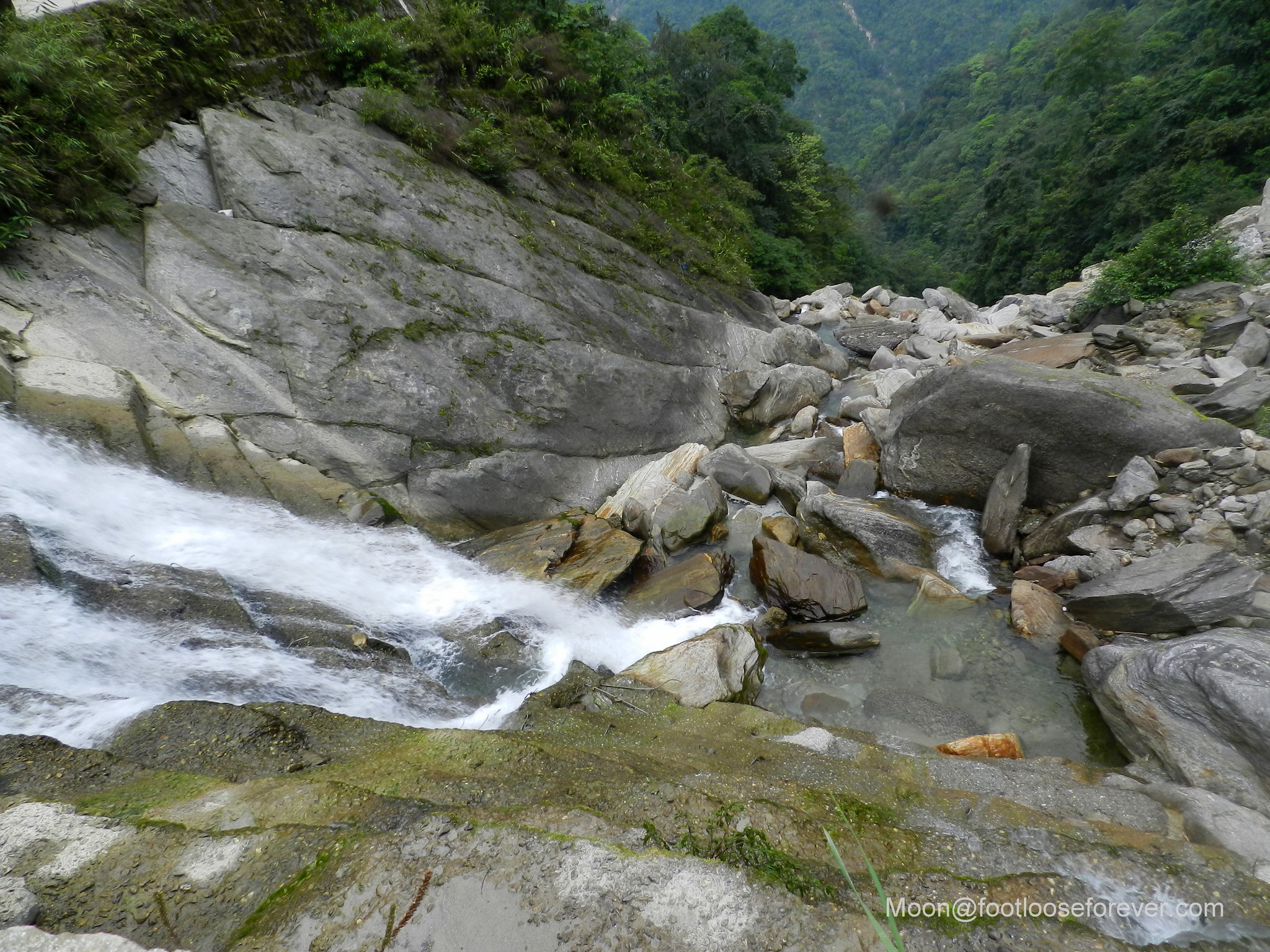
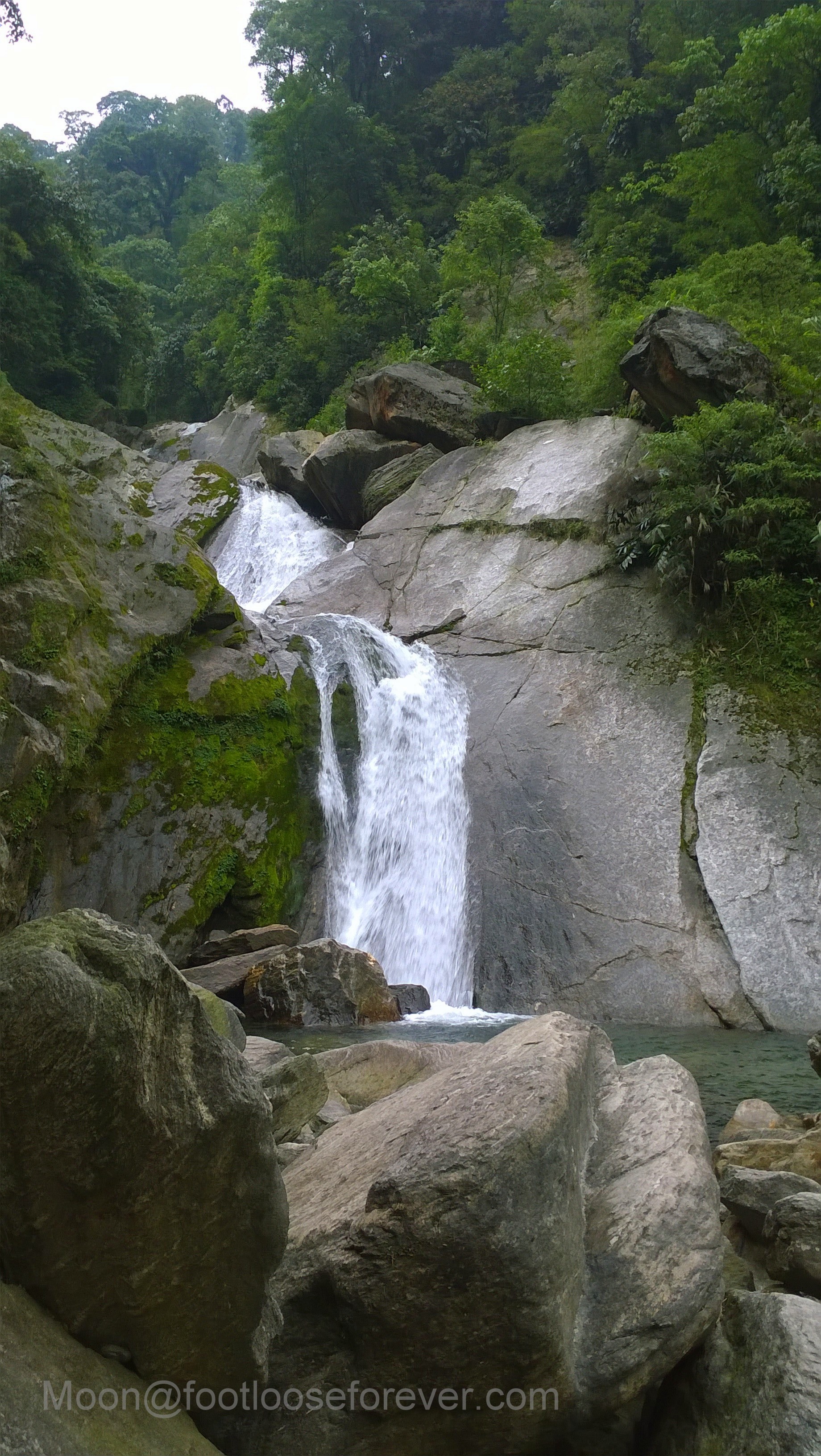
 There were quite a few waterfalls on the way up to Chungthung, a small town, after which the road bifurcates. One goes to Lachung and the other leads to Lachen, the gateway to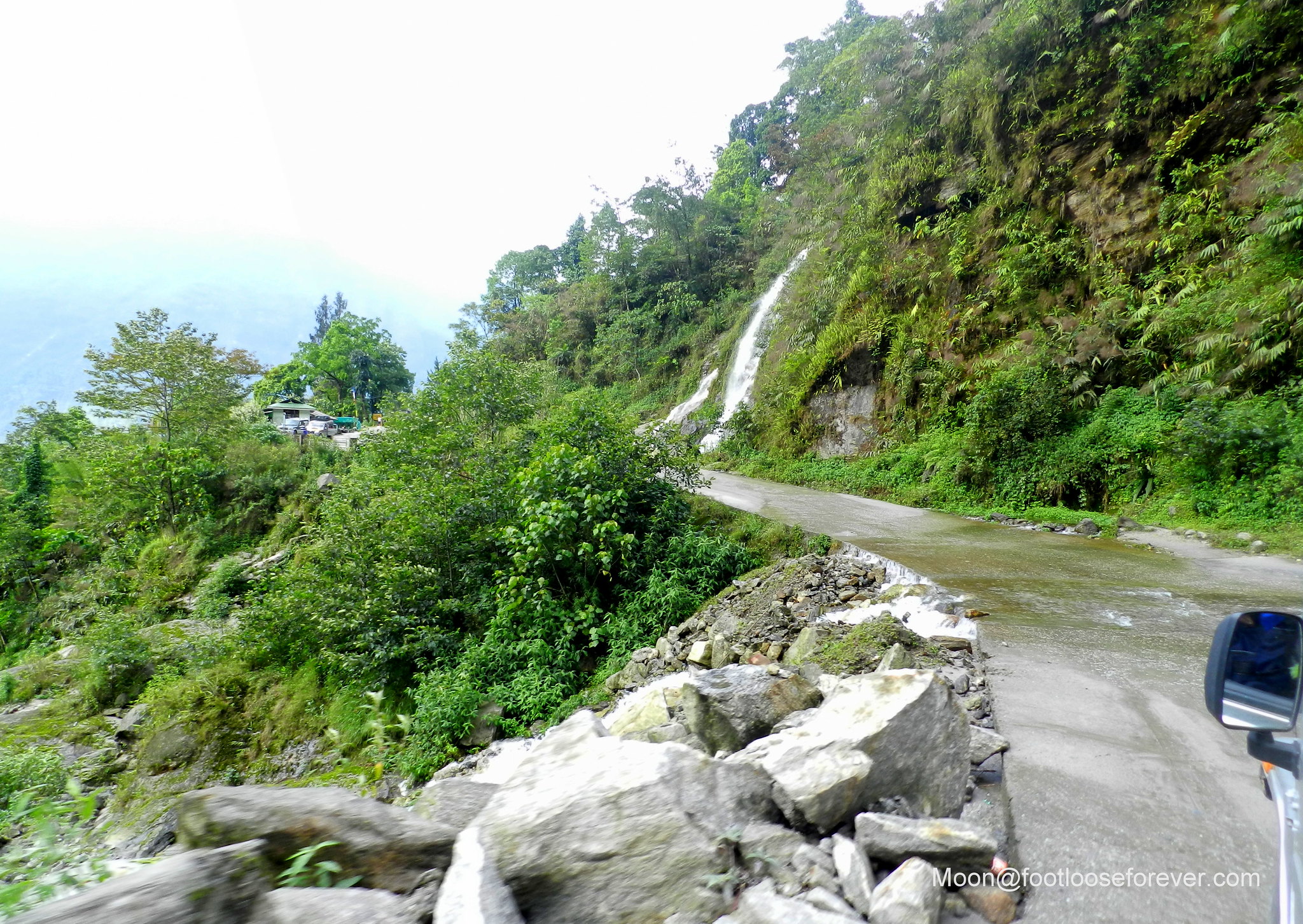
 Take care. See you soon.


 Footloose Forever