The Hilsa Festival in the Sundarbans: A Monsoon Journey of Flavours

A Festival of Food and Nature

The Monsoon Vibe

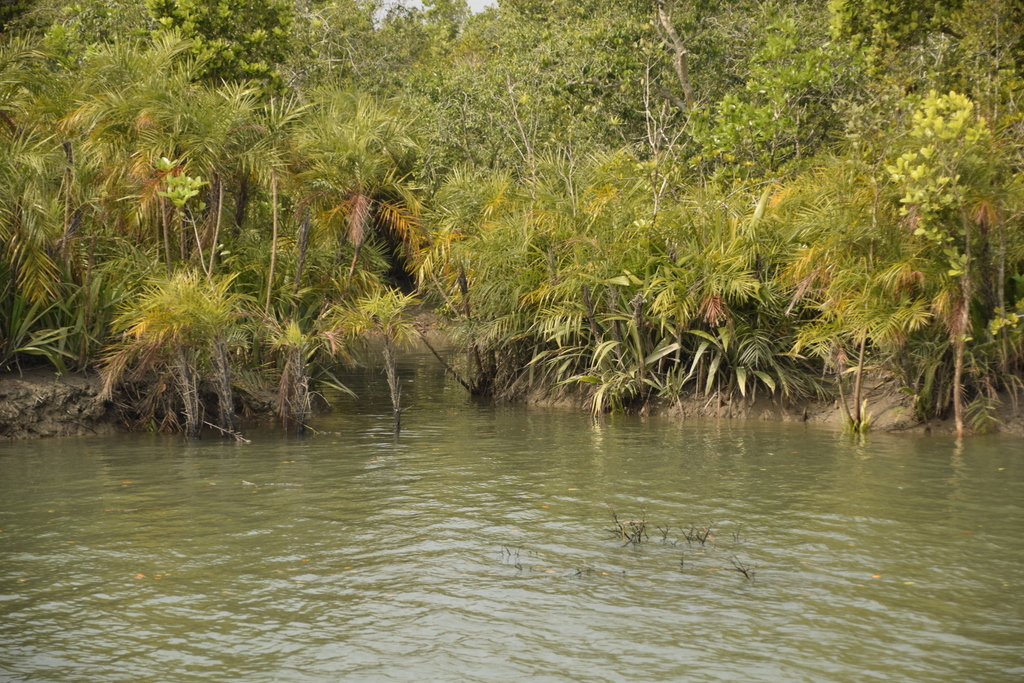
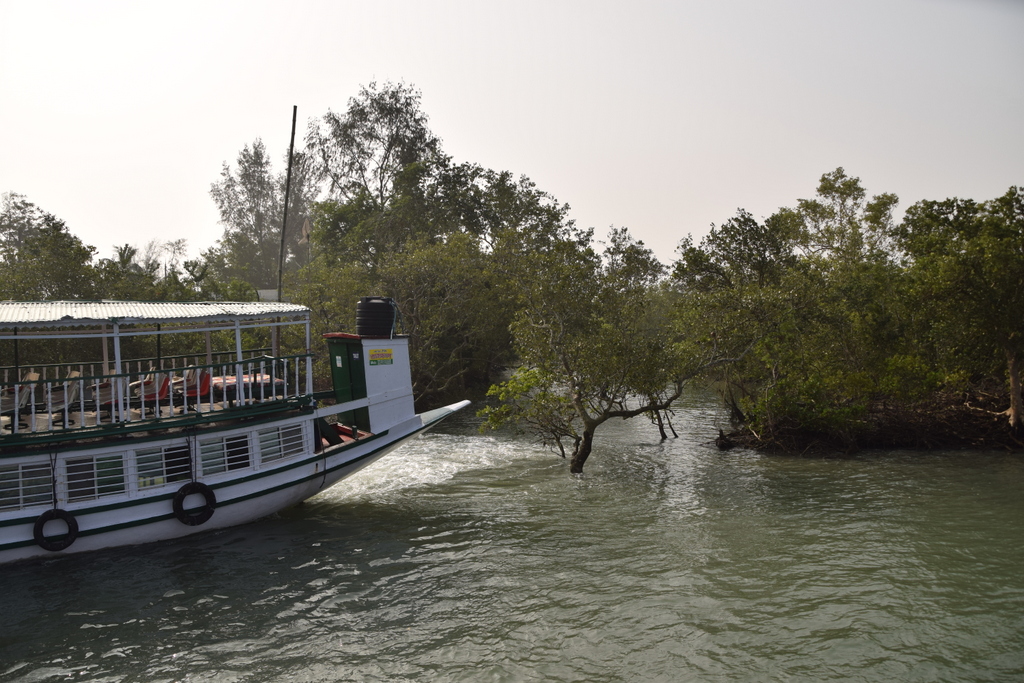
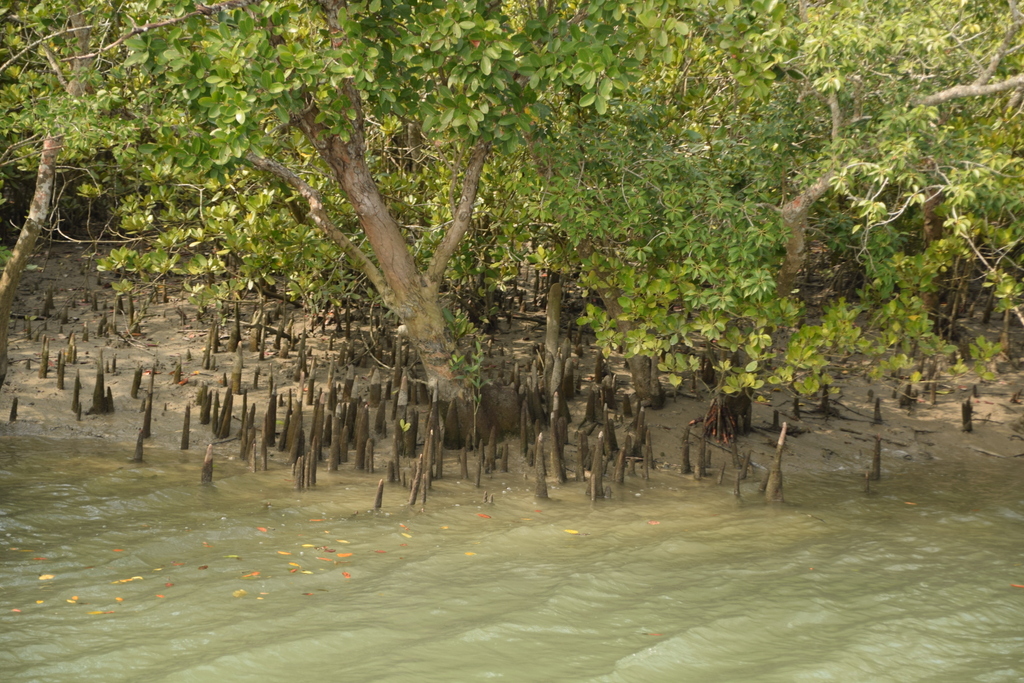
A Journey Through the Mangroves

Why Food Lovers Shouldn’t Miss It

A Treat for Cultural Travelers

For Wildlife and Photography Enthusiasts

Pros and Cons of Monsoon Tours

Travel Routes and Highlights


Kasol Kheerganga Trek: Best Time, How to Reach and Trek Highlights

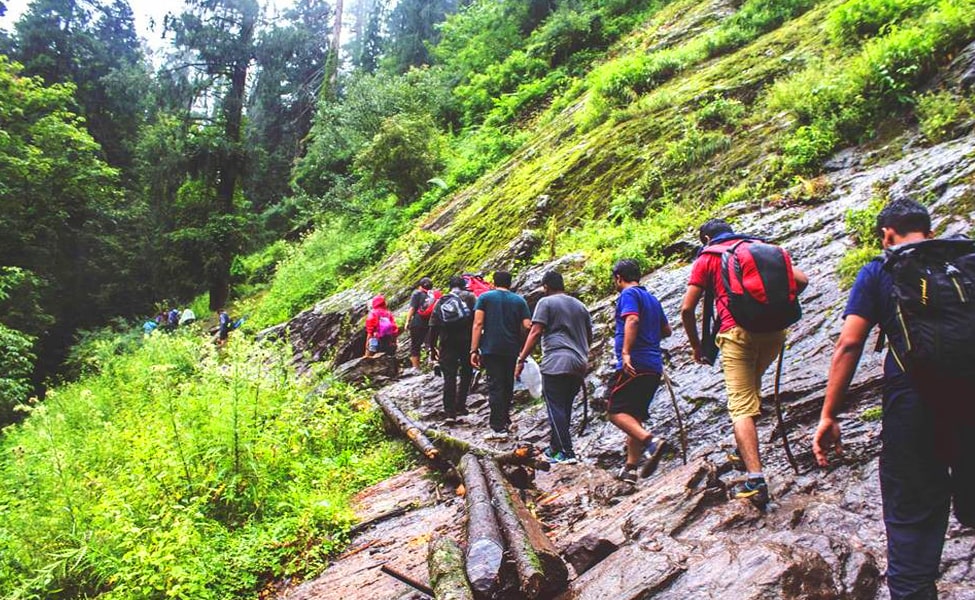
Himachal Pradesh is famous for its scenic beauty, and the trekking trails that take you through dense forests are one of them. This state has a hidden gem, Kheerganga, which is a paradise for nature and adventure junkies. The trails of Kasol Kheerganga Trek take you through natural hot water springs, picturesque villages, and dense forests. 

Situated in Parvati Valley, Kheerganga is one of the off-beat places in Himachal. With a distance of 12 to 13 kilometers, an easy to moderate trek is ideal for experienced and beginner trekkers. Here is a complete guide for the Kasol Kheerganga Trek, which includes details about the best time, where to stay, and the trek route. 

Best Time for Kasol Kheerganga Trek

Kasol Kheerganga Trek can be done any time of the year. However, the most suitable time for the Kheerganga Trek is from September to November and April to June. The temperature during these months is pleasant and offers an ideal trek experience. It is advised to avoid trekking during the monsoon months, between July and August, because this region receives heavy rainfall, making the trail slippery and increasing the chances of casualty. Road blockage and landslides are common during this time. If you are fond of snow and want to experience trekking in the snow, then you can do the Kasol Kheerganga Trek in December. 

How To Reach 

By Road: The most convenient way to reach Parvati Valley is by road. Kasol is around 531 kilometers away from Delhi, and you can get there by bus or car in 11 to 12 hours. This road trip from Delhi to Kasol will reward you with incredible views on the way. One can find many Volvo buses running from Delhi to Kasol. 

By Air: Flying from Delhi to the nearest airport to Kasol is one of the easiest and fastest ways to reach here. The closest airport to Kasol is Kullu Manali Airport in Bhuntar. This airport is around 31 km away from Kasol. However, Bhutnar has limited flight connectivity; the best alternative for this is Mohali Airport in Chandigarh, which is around 300 km away. From Chandigarh, you can take a taxi or bus to reach Kasol. 

By Train: Being a small and remote town in Himachal Pradesh, Kasol is not connected to other cities by railways. However, you can take a train to the nearest Jogindar Nagar Railway Station, which is around 4 km away. However, Joginder Nagar Railway Station is not connected to major Indian cities, so you can take a train to Pathankot Junction. Then, from Pathankot, you can take a train to Jogindar Nagar.

Upon arrival, one can hire a taxi to Kasol or take a local bus from the Jogindar bus stand. Alternatively, some tourists also choose to reach Chandigarh first by train and take a bus or taxi for the rest of the road trip to Kasol. 

Kheerganga Trek’s Highlights 

Kheerganga has several things that attract trekkers with its beauty. Here, we have mentioned a few highlights of the Kasol Kheerganga Trek. Do check it out. 

1. Natural Hot Water Springs

Situated amidst natural surroundings, the Kheerganga trek provides a chance to take a dip into the natural hot water springs in Parvati Kund. You can wash away all your tiredness from the trek and restore your body’s energy. Situated at 13000 feet in height, the Hot water spring is one of the Prime attractions of the Kasol Kheerganga Trek. 

2. Remote Villages

While trekking towards Kheerganga through the dense forests, you will also come across small remote villages like Pulga and Kalga. By visiting these villages you will get a chance to learn about the traditions and culture of people residing in these villages. 

3. Camping

Camping at Kheerganga under the sky full of stars in Parvati Valley is a great experience for all nature lovers. Sitting under the sky full of twinkling stars is truly a treat to your eyes. While camping here, you can stay awake the entire night and observe these glittering stars. 

4. Manikaran Sahib Gurudwara 

Manikaran Sahib Gurudwara is one of the popular pilgrimage sites for Sikhs and Hindus. You can visit the Gurudwara and explore Manikaran Town. You can seek blessings at the Gurudwara and visit hot water springs. 

5. Parvati Valley

Parvati Valley is one of the most scenic locations in Himachal Pradesh, and it is renowned for its stunning views. You spend some time here and admire the beauty of the valley. There are many places to visit near Parvati Valley, including the waterfalls, trekking trails, and hot water springs amidst the mountains covered in snow. 

Tips for Kasol Kheerganga Trek 

  • Trekkers must check the weather conditions before going for the trek and pack according to the weather conditions. 
  • There are no ATMs near Parvati Valley, so trekkers must carry enough cash. The last working ATM is available in Kullu or Bhutnar. 
  • Plan a trip for 4 to 5 days so that you can also explore the nearby attractions along with the Kasol Kheerganga Trek. 
  • Carry a first-aid kit to be used in case of emergency. 
  • Pack warm and comfortable winter clothes because the temperatures can drop anytime and nights can be chillingly cold. 
  • Do carry a camera to capture the best sights while trekking. 
  • Do not litter on the trail, and maintain cleanliness. 

FAQ’s 

Q1. What is the distance and duration of the Kasol Kheerganga Trek?

The total distance you will cover on Kasol Kheerganga Trek is around 12 to 13 kilometers, and it will take 6 to 7 hours to get to the top. The trek starts from Barshaini, so you must reach Barshaini from Kasol. 

Q2. What should I wear for the trek?

Trekkers must wear comfortable clothes and sturdy trekking shoes with a good grip, which must also be water-resistant. 

Q3. Is the Kasol Kheerganga Trek suitable for beginners?

Yes, the Kasol Kheerganga Trek can be easily done by beginners with good physical fitness. First-time trekkers must go for a guided trek. 

Conclusion

So, are you ready for the adventure? If so, pack your bags and embark on this magical journey to Kheerganga. Taking you through hot water springs, dense forests, and remote villages, the Kasol Kheerganga Trek provides a relaxed escape from your busy schedule.

How To Pack Light For Any Trip, Anywhere

travel packing tips

This post was posted by The Hipmunk on Hipmunk’s  Tailwind blog on August 25th.

travel packing, packing luggage

No one would prefer lugging four suitcases through the airport over picking up a backpack and whistling past the baggage claim. But that doesn’t mean packing light is an easy feat. Develop a strategy for packing light, and you’re much more likely to actually do it in spite of anxieties.

Whether your goal is to pack for a multi-week vacation in a carry-on or you’re just looking to lighten the load and develop better packing habits, here’s how to pack light for any trip.

Embrace multi-functionalism

Why pack two (or more) items when it’s possible to pack one item that accomplishes everything the others would. Think two-in-one shampoo/conditioner, smartphones (they’re a camera, flashlight, GPS, and phone all in one), a small bundle of strong, flexible rope (use it to tie things to a pack, string it up as a clothesline, or tie the bag to the roof of a bus), or a tablet that can be converted into a laptop. While packing, consider all the ways (conventional or not) that each item could be used. Pack as many multi-functional items as possible, and don’t double up—if one item could serve a particular function in a pinch, that’ll do.

Follow the “rule of three”

When it comes to clothing, three pairs of socks, three pairs of underwear, and three shirts should take care of the basics. That way you can wear one, wash one, and dry one all at the same time. Because pants and shorts get smelly less quickly, two pairs will probably do it. Choose clothing in neutral shades so that any of the items can be paired with the others, and opt for fabrics that aren’t prone to wrinkling.

Think light

Evaluate everything on a packing list to see if there are light-weight versions of any items. For example, consider packing a Camelbak bladder instead of a stainless steel water bottle. And instead of packing a heavy winter coat for a cold climate, pack light-weight thermals and thin sweaters (One exception: If you’restaying in an ice hotel, bring the heaviest coat you’ve got). You’ll stay warm either way but the latter will take up way less room in a suitcase. Opt for the lighter version whenever possible.

Be willing to wash

Committing to washing your clothes while traveling will save a ton of weight, because you won’t need to pack fresh outfits for every day of the trip. A sink plug and a little soap is generally all it takes to get clothes clean on the road.

Make a “don’t-pack” list

When it comes to packing light, what you don’t pack is just as important as what you do. Leave behind jewelry and other valuables, items that can be purchased at a destination, multiple guidebooks (or multiple books in general), unnecessary electronics, excess toiletries, and most of the items you feel inclined to stuff into the bag in a last-minute panic. Also be sure to adhere to any regulations for liquids, etc., in order to spend less time in airport security.
Pack several days in advance

This affords time to assess everything you’ve planned to pack. A day or two after laying out all your gear, re-evaluate whether each item is essential. If you’re justifying taking an item with the phrase “what if…” that may be a sign that it’s not actually necessary. Packing in advance will also leave time to pack in an organized way, with heavier items toward the bottom of the pack, clothing rolled instead of folded, and the gear you’ll need most often in accessible places.

Packing light is a skill made better with practice, and it gets easier every time it’s done (especially after a few trips prove that things don’t fall to pieces without all those “what if” items). Put these tactics into practice every time you pack for a trip, and pretty soon you’ll be a pro at packing light.

11 Travel Accessories Every Adventurer Needs

hipmunk, travel accessories

This post was posted by The Hipmunk on Hipmunk’s  Tailwind blog on August 27th.

travel accessories, hipmunk travel blog

The number of travel accessories designed to make life easier on the road just keeps growing. From electronic luggage scales to portable Bluetooth speakers, there are so many things that can come in handy while traveling. Take a look at these 11 travel accessories that help you no matter where you go.

Neck Pillow

You can’t rest at five-star hotels in Miami every time you’re tired. A neck pillow can make sleeping in random places, like a train stop, much more comfortable.

Travel Packing Aid

A travel packing aid can help you neatly organize toiletries, travel documents and currency, ensuring important items are easily accessible and secure.

USB Utility Charge Tool

Even if you’re looking to be unplugged for your next trip, you’re still going to need to charge your smartphone, laptop, camera and so on. A USB utility charge tool means you only have to bring one product to charge all your devices.

Smart Luggage

Smart Luggage has arrived, and the features are amazing. Fingerprint locking mechanisms, built-in GPS systems, digital scale sensors, anti-theft systems, shape-changing abilities and more are available right now to make traveling safer and more convenient.

Shoe Bag

Why stink up the rest of your bag? Shoe bags are a great way to keep your luggage clean, and are a necessity for most vacations as you may need sandals for some activities and gym shoes or boots for others.

Self-Sealing Dry Bags

Clothing or other belongings occasionally get wet. That’s just part of traveling. A dry bag ensures that those wet items don’t soak the rest of your stuff.

Wine Bag

This can serve two purposes: one is to actually store wine and bottles of liquor; the other is to store glass items and other fragile things.

Waterproof Travel Backpack

Rolling around luggage can get annoying, especially if you’re on the move a lot and not just chilling in hotels in Paris or wherever else. Go with a sturdy, waterproof backpack that protects your belongings and is easy to carry.

Waterproof Phone Case

A phone is a necessity for most travelers, so using a waterproof phone case to protect it from water damage and accidental drops just makes sense.

Umbrella

It rains almost everywhere in the world at some time or another. Bring an umbrella.

First Aid Kit

Whether you’re backpacking your way through southeast Asia or sleeping in one of those luxurious hotels in Dubai, you never know when an accident could happen. So be prepared.

More travel accessories are being created all the time. Use the ones on this list, but also keep an eye out for new travel items to make your trip perfect.

18 Ways travelling improves the quality of your life

Travel - travelling rejuvenates our body and soul

To those city dwellers who lead a busy life; spend most of their time in work sitting in front of a computer looking at the screen; feel stressed out at the end of the day; spend the weekend sleeping at home or unwinding in a bar or hanging out in a multiplex to re-energize themselves and prepare to take the Monday blues again.

(All the images are taken from internet.)

Travelling can rejuvenate our body and soul. The experiences that we gather through our journey enrich the mind. Yet in our fast-paced urban life we often seem to forget this simple truth. Or, do we give too much importance to our work and office?

Travel - travelling rejuvenates our body and soul

Be it a long vacation or a short trip travelling can improve the quality of your life in many ways. As you take the journey you grow as a human being by developing different qualities and honing your existing skills.

While you travel you –

1. Set yourself free. Travel to set yourself free

2. Embrace the unknown and the uncertain.

Travel through the woods, embrace the unknown

3. See new things. Travel to see new things

4. See things differently. Travel to see things differently.

5. Learn new things. Travelling - World is an open book

6. Discover new joys. Travel to discover new joy

7. Taste new dishes and develop taste for different foods.

Travel - develop taste for different foods

8. Add more fun to life. travel and fun

9. Meet new people; make new friends (it also improves your communication skill). travel and make new friends

10. Accept the differences. Travel - accept cultural differences

11. Be bold. Dare to adventure. Travel, paragliding, Himachal Pradesh

12. Try new things – things that you’ve never thought of doing before. travel, try new things, surfing, snorkeling, elephant safari

13. Be organized (to be in control).

Travel, backpacking, organize

14. Plan (the tour) and follow the plan. travel plan, plan your tour

15. Feel more confident. Travelling boosts your confidence

16. Try to stay fit. You cannot afford to fall ill while traveling and to travel you need to keep fit. stay fit and keep travelling

17. Contemplate and feel in harmony with Nature. travel and contemplate in Nature

18. And finally, you begin to enjoy coming back home. Travel to come back home

If you have not started yet, don’t worry – IT’S NEVER TOO LATE… it's never too late to travel

What are the other ways travelling can influence your lifestyle? Please feel free to share with us.

Happy journey! 🙂

Alleppey Grows More Beautiful When it Rains

Backwaters, Alleppey, Kelara

Rabindranath Tagore regarded monsoon as the ‘queen’ of all seasons. If you visit Alleppey in the monsoon you’ll no way but agree with the great poet. The wild beauty of Mother Nature bathed in monsoon rain is simply a treat to the eyes that you’ll cherish forever.

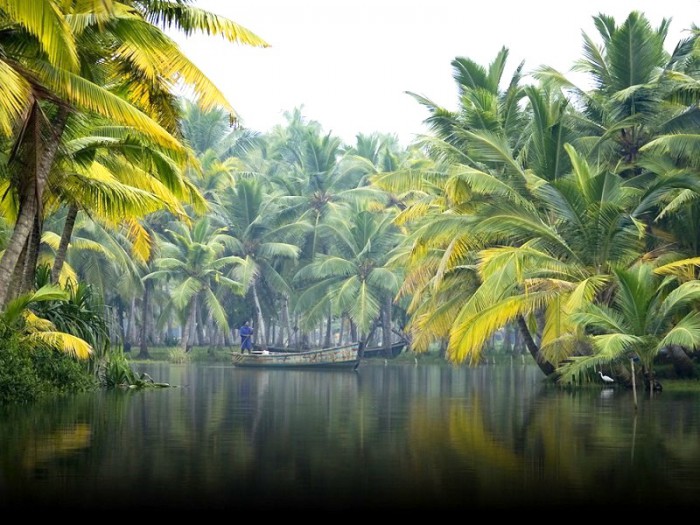
Alleppey or Alappuzha in Kerala is located 70 km south of Cochin, the major port city in Western India. The place is famous for its lush greenery and tranquil backwaters. Due to its numerous lakes and canals creating a network of waterways Alleppey is popularly called the “Venice of the East”.

Backwaters, Alleppey, Kelara, Monsoon Travel
Alleppey backwaters – Image: kvtholidays.com

How to Reach

The district of Alappuzha or Alleppey is well-connected to most of the important southern cities via railway networks. There are direct trains from Cochin, Thiruvananthapuram, Kozhikode, Coimbatore, Chennai, Bangalore and Mumbai.

The NH47 connects Alleppey with other cities including Cochin, Bangalore and Chennai. You’ll find direct bus services operating from Cochin to Alleppey regularly. There are overnight luxury buses to Alleppey from Thiruvananthapuram, Kozhikode, Coimbatore, Chennai and Bangalore.

The nearest airport is Cochin International Airport. After you land in Cochin take a train or bus to Alleppey.

Things to do

Though there are ferry services available, for a perfect leisure trip cruising in the backwaters on a houseboat is a must do. It is, perhaps, the best way to observe and enjoy the divine beauty of Alleppey. In addition to its scenic landscapes Alleppey’s rich cultural heritage is a major tourist attraction.

St Mary’s Church in Champakulam and Sreekrishna Swamy Temple in Ambalapuzha are famous for their religious sanctity as well as architectural grandeur.

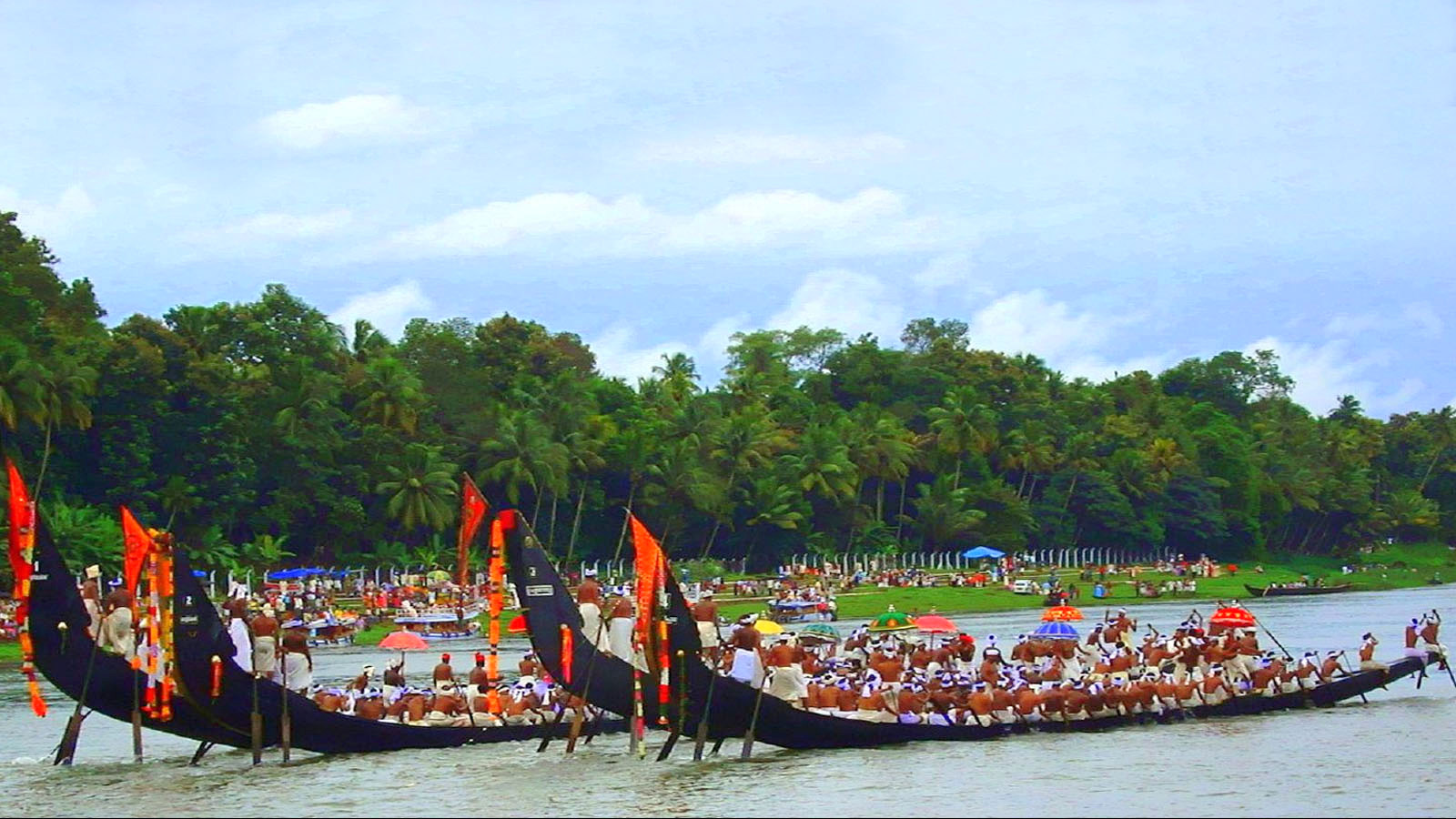
Watching the traditional snake boat race held in August and September every year is a bonus for travelling Alleppey in the monsoon. If you want a closer look to the boat race rent a boat instead of standing in the crowd on the banks.

Nehru Trophy, Snake Boat Race, Alleppey, Kerala, Monsoon Travel
Nehru Trophy Snake Boat Race – Image: mavaraholidays.com

When you feel tired after a daylong sightseeing trip, pay a visit to Krishnendu Ayurveda Wellness Center near Alleppey for a rejuvenating herbal spa treatment.

Alappuzha Beach is a perfect place for a quiet hangout in the light of setting sun. Take a stroll along the promenade and have a cup of coffee with your companion at the Indian Coffee House while watching countless waves breaking on the shore.

Where to Stay

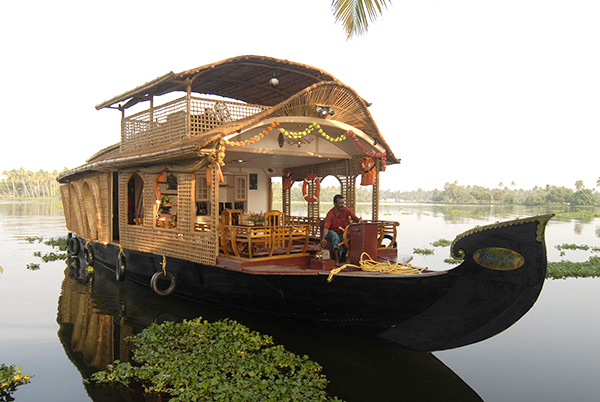
Alleppey thrives on eco-tourism. It houses a number of nature resorts and hotels. Located in secluded beaches these resorts are surrounded by tropical plants and coconut trees. The green rice fields nearby create a vista that soothes the tired eyes of urban travelers. Keeping in harmony with their environment the cottages are built in traditional Kerala fisherman’s hut style featuring thatched roofs and open courtyards. You can also stay in the beautifully adorned houseboats where you get to savor some delicious Malayalam dishes during your stay.

House boat in Alleppey, Boat house, Alleppey, Kerala, Backwaters, Monsoon
House boat in Alleppey – Image: alleppeybackwaters.com

Responsible travel

As part of your nature travel in Alleppey you should maintain the following etiquette as a responsible traveler. Respect the sanctity and cleanliness of the place.

  • Don’t throw away plastic bottles, wrappers and other non-biodegradable materials into the water or in the fields. Rather you should keep all your disposables in a plastic carry bag and drop it only in the garbage.
  • Don’t drop anything, not even food items, into the water during your cruise in the backwaters. You may get fined for this.
  • Don’t lean too much to touch the water. It may unbalance the boat and cause accident.

Monsoon, lasting from June to September, is typically a season in which most tourists avoid Alleppey because of heavy rainfall and water logging in the streets.  Those who have the courage to face these odds are sure to have a rewarding experience. Another advantage of visiting Alleppey in the monsoon is that you may get discounts on booking hotels.

A Bunch of Flowers from the Hills of Sikkim

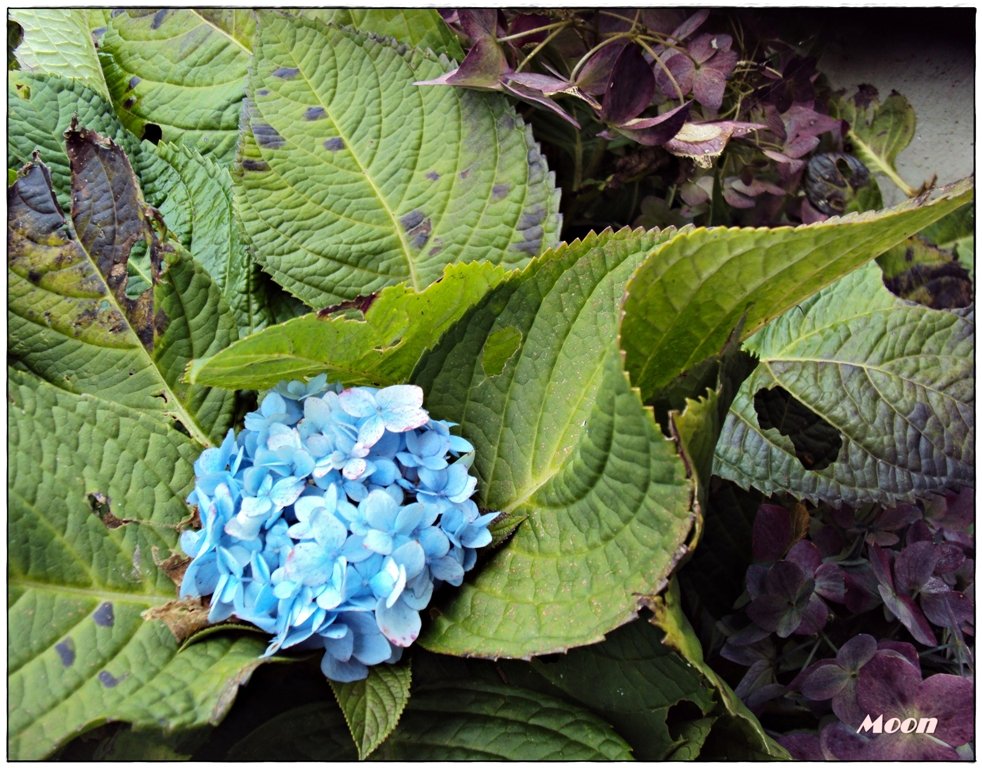
blue snowball bush, sikkim

Flowers are perhaps the most beautiful creation of Nature. And you’ll find them aplenty on the hills. During our stay in Pipalay, a beautiful village in Namchi, South Sikkim I did try my hand on nature photography. There were wide variety of flowers and foliages. Some were known to me and some unknown. Some dazzled in vibrant colors while some were too small to go unnoticed, but when they blossom you can’t ignore their collective beauty.
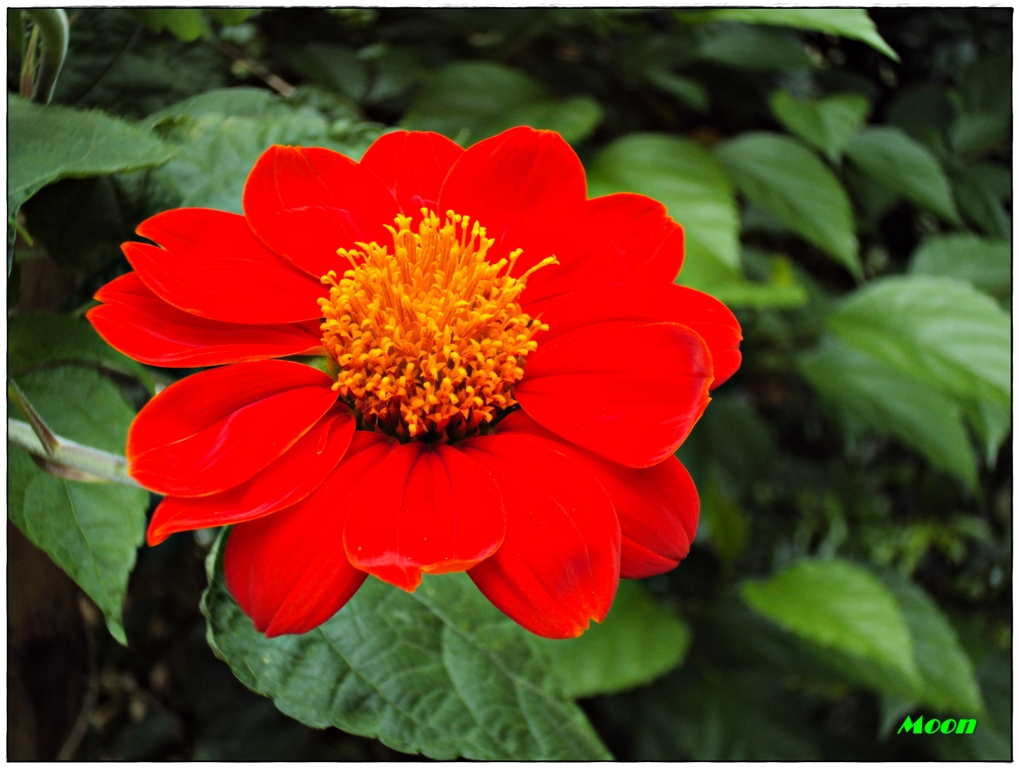
There was this red Zinnia in the garden of Shepherd’s Vacation Home (the cottage where we stayed during our short trip). I zoomed in with my Sony Cybershot DSC-W190.

zinnia, red flower

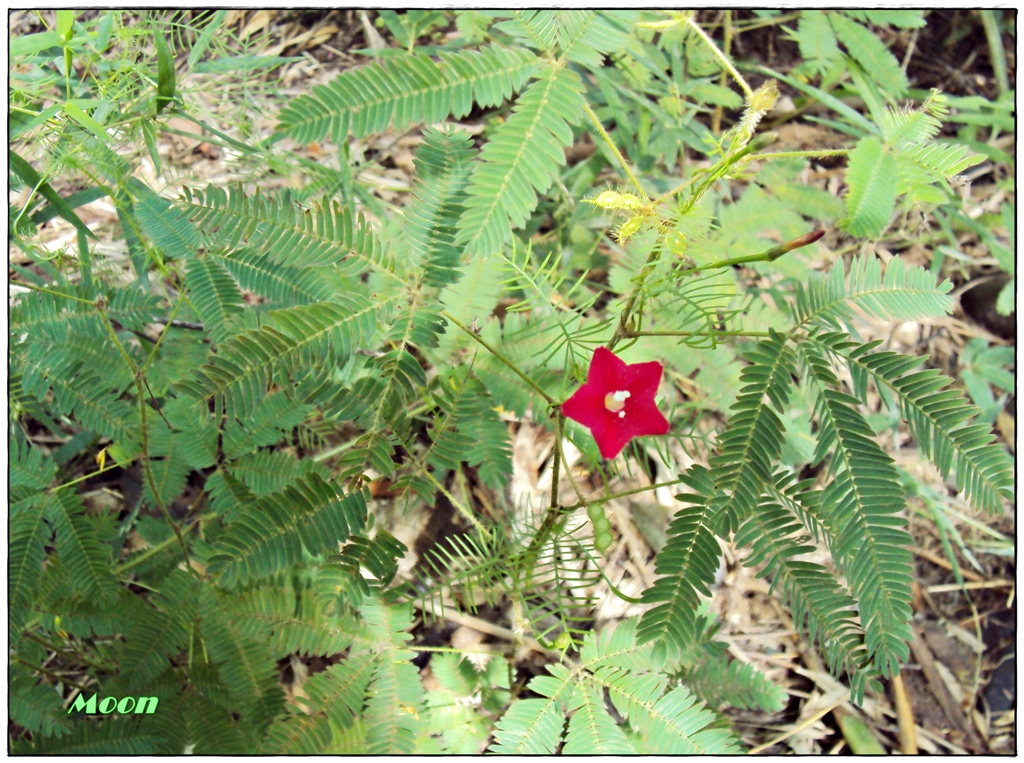
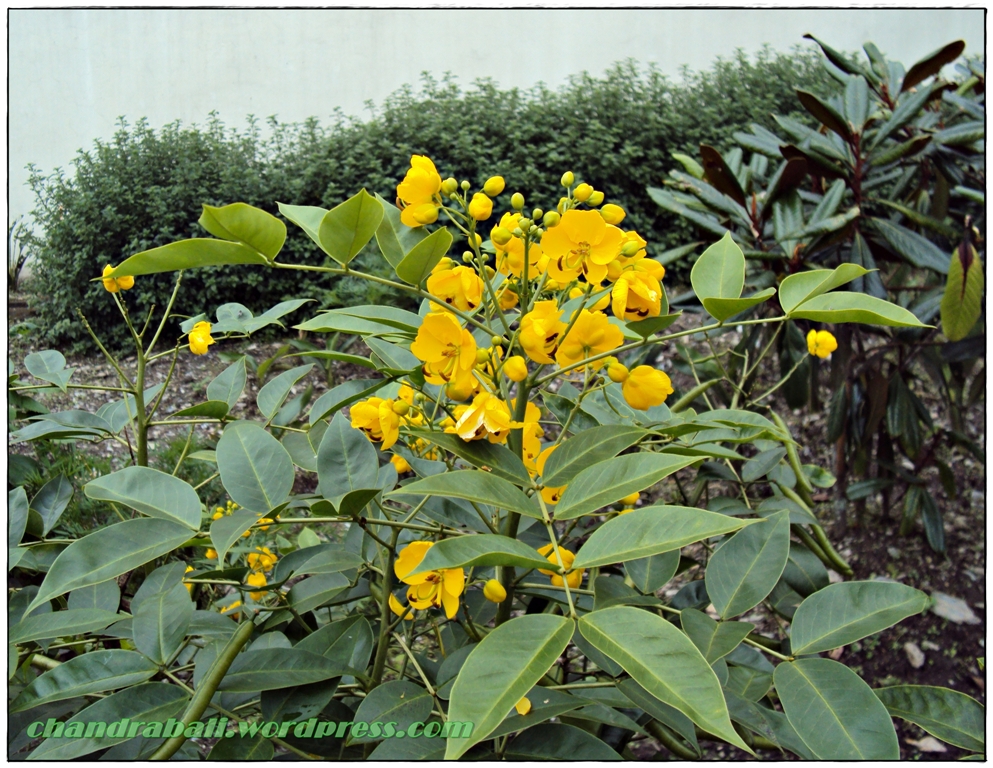
I found this tiny crimson beauty in the bush behind the cottage and the yellow one too…

small flower

cassia, senna, sikkim

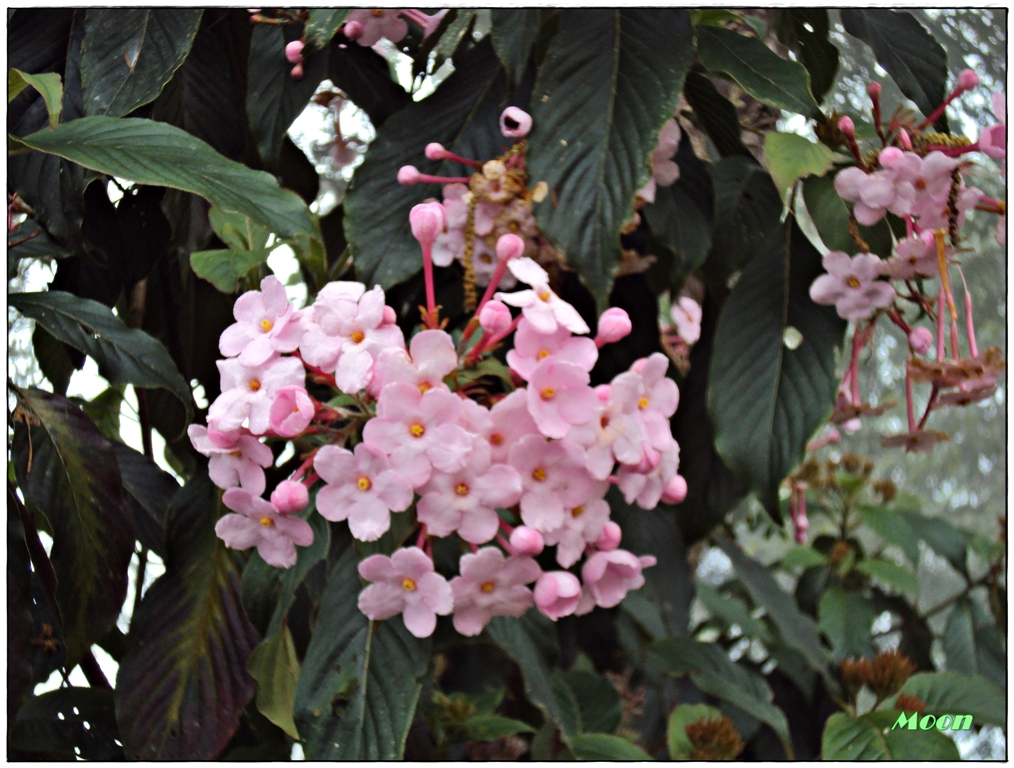
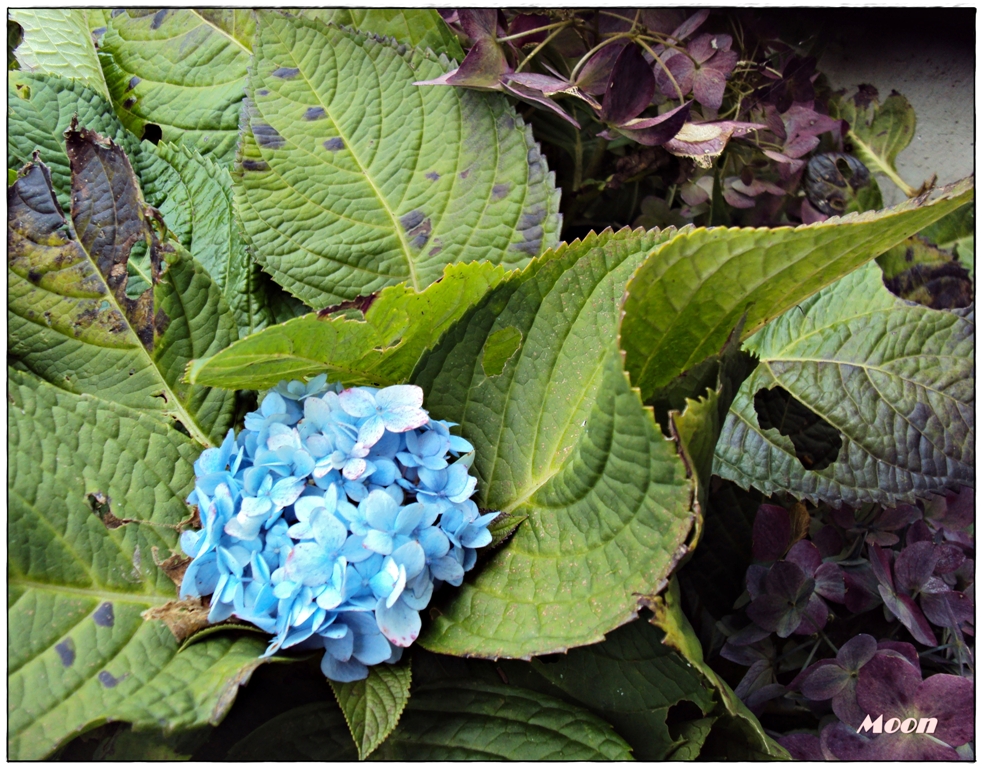
The pink and blue ones bloomed at the feet of the Holy Statue of Samdruptse in South Sikkim. Can you tell me their names?

pink flower, Namchi, Sikkim

snowball bush, sikkim

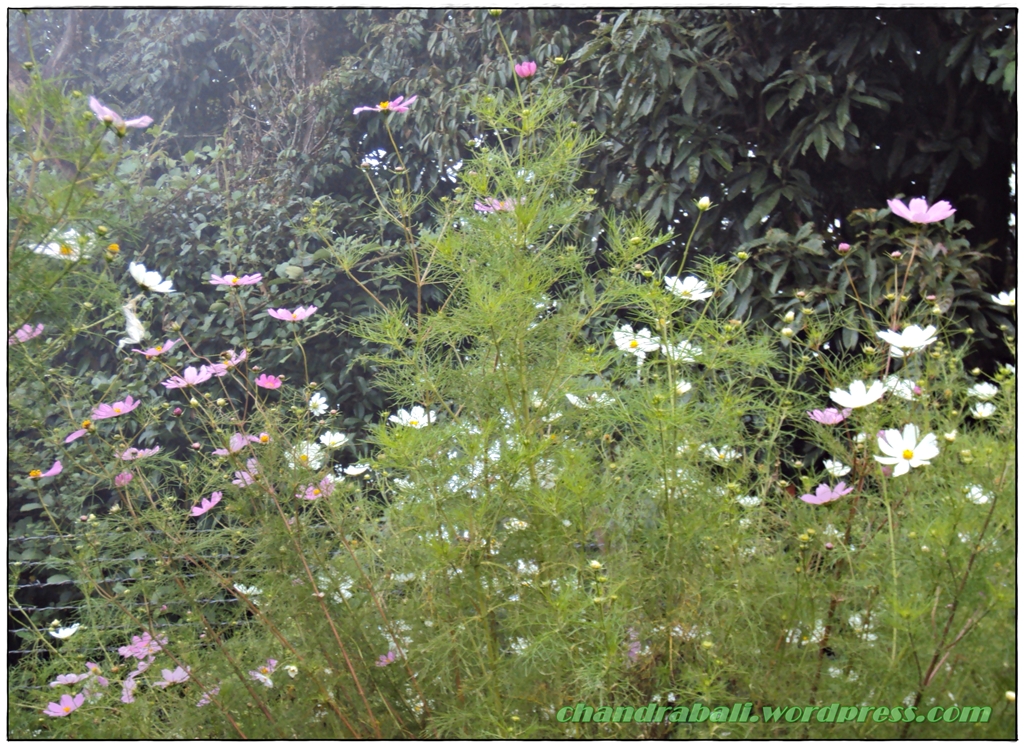
The monastery at Samdruptse has manicured gardens where purple and white cosmos were bountiful. They looked like small butterflies amidst the green blades of grass.

cosmos flower

This ‘unidentified’ pink blossom along the garden fence also caught my eyes. And this time I badly felt the need of a DSLR

pink flowers, Sikkim

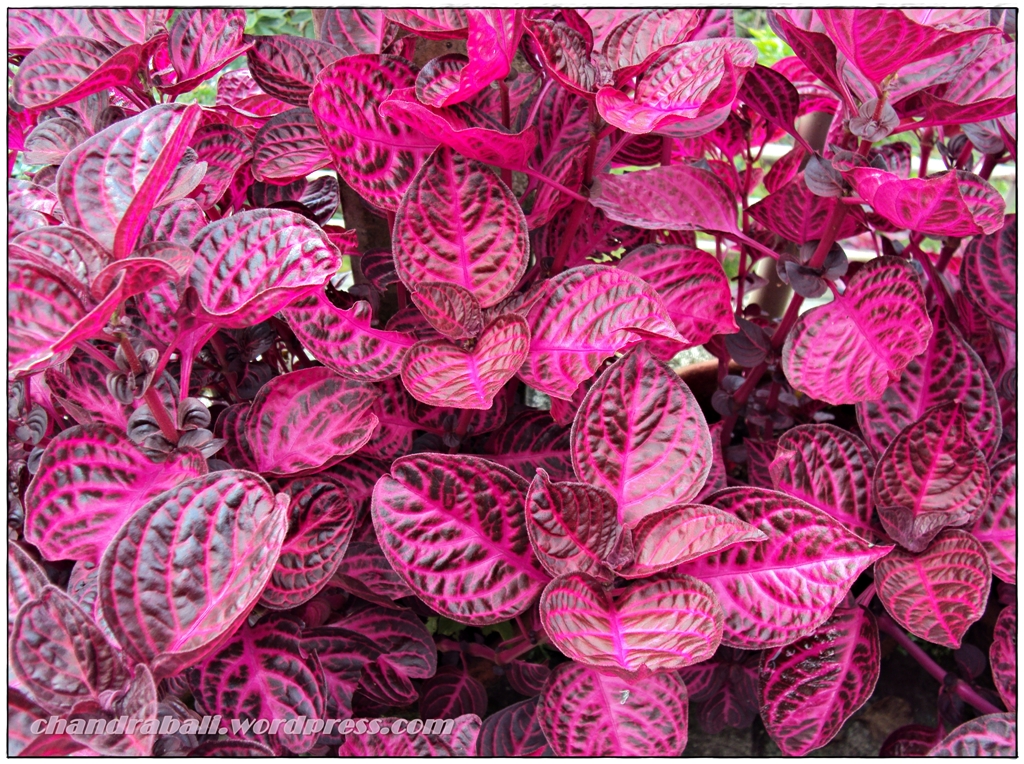
On our way back to Pipalay (from Samdruptse) we stopped by Namchi Rock Garden that offers mind-blowing view of the mountains all around. Bonus was a variety of foliage that adorned the small garden. I thought this magenta one is worth sharing.

foliage, Namchi, Sikkim

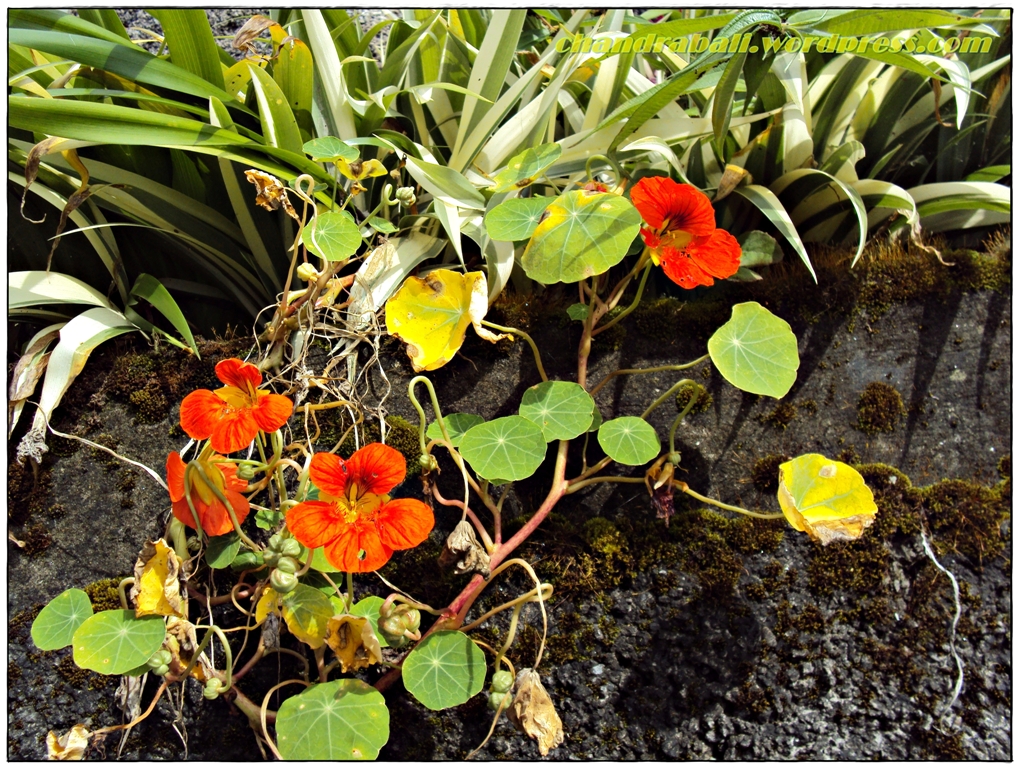
You might also love the following combination of red and green sprouted along the stairways of the Rock Garden.

green and red flower, Sikkim